


Club Dogo

Members: Guè, Jake La Furia and Don Joe
Real names: Cosimo Fini (Guè), Francesco Vigorelli (Jake La Furia), Luigi Florio (Don Joe)
Born: Guè — 25 December 1980; Jake La Furia — 25 February 1979; Don Joe — 15 May 1975. All in Milan
Roots: Milan, Lombardy
Roles: Guè and Jake La Furia — rappers; Don Joe — DJ and producer
Formed: 2002
Active: 2002–2014; reunited in 2023
Style: Italian hip-hop and hardcore rap
Debut album: Mi Fist (2003) ↗
Biography
Club Dogo are one of the most influential groups in Italian rap (it could be argued they are actually the most influential), helping bring the genre from the underground into the mainstream. Formed in Milan in 2002, the trio brings together rappers Guè and Jake La Furia with DJ and producer Don Joe. Their history began with Sacre Scuole, the earlier group in which Guè and Jake performed alongside Dargen D’Amico. After that project ended, the new partnership became the foundation of Club Dogo.
Milan runs through their music as both a setting and an identity. Their lyrics draw on city life, ambition, money, excess and frustration, mixing dark humour with blunt observations and provocative storytelling. Guè’s intricate wordplay and assured delivery complement Jake’s rougher voice and forceful approach, while Don Joe’s production gives the two rappers a distinctive musical backdrop.
Their independent debut, Mi Fist, released in 2003, established their reputation in the Italian underground. Over the following decade, they reached an increasingly broad audience, moving from small venues to major stages and bringing their uncompromising language into the charts. Their sound expanded to include more melodic hooks and club-oriented production, sometimes dividing longtime listeners while attracting new fans.
Their influence also extended through Dogo Gang, the wider circle of rappers and producers associated with the group. Artists including Marracash and Vincenzo da Via Anfossi were part of this network, which helped make Milan a central force in Italian hip-hop. Club Dogo became a reference point for younger performers, showing that Italian rap could achieve commercial success while retaining a strong local identity.
Following their final album of the first period in 2014, the three members increasingly concentrated on separate careers. Guè and Jake continued as solo artists, while Don Joe remained active as a producer and collaborator. The long break left fans wondering whether they would ever record and perform together again.
The reunion was announced in October 2023, followed by new music and a return to the stage in 2024. Ten sold-out shows at Milan’s Forum and a concert at San Siro demonstrated the strength of their following across generations. Their return confirmed the lasting place of Club Dogo in Italian rap: a group whose shared identity remained powerful even after years apart.
Albums
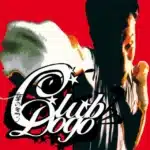
Released in 2003, Mi Fist is Club Dogo’s debut studio album and a landmark of Italian underground hip-hop. Independently produced, it introduced the partnership between rappers Guè and Jake La Furia and producer Don Joe. Following their earlier experience with Sacre Scuole, the trio established a distinct identity, with Milan providing the setting and atmosphere for much of their music.
Don Joe’s production gives the album a gritty, sample-driven sound, drawing on American hip-hop while leaving space for the two rappers’ contrasting voices. Guè brings intricate rhymes, cultural references and sharp wordplay, while Jake delivers his verses with a rougher tone and explosive energy. Their exchanges create a strong sense of chemistry, with each rapper adding a different character to the record.
The lyrics combine urban observation, personal frustration, ambition and dark humour. Alongside the boasts and confrontational passages are stories with a more reflective and emotional weight. Vida loca is especially significant in this respect, addressing imprisonment and its impact on those left outside. Tracks such as Cronache di resistenza, Rap soprano and Serpi also capture different aspects of the group’s early approach, from technical rapping to vivid storytelling.
Contributions from Dargen D’Amico, Aken and Issam Lamaislam connect the album to the wider underground scene. Dargen’s appearance also maintains a link with the Sacre Scuole years, even as Club Dogo move forward with their new formation. The record’s independent origins are central to its character: it presents a group developing its own language and sound before the commercial success that would follow.
Originally released through MiResidenza Entertainment, Mi Fist was reissued by Vibrarecords in 2004, helping it reach a wider audience. That year, the group received recognition at the MC Giaime awards, winning Best Album and Best Artist/Group. Its reputation continued to grow, and it became an important reference point for later generations of Italian rappers.
For listeners discovering Club Dogo through their later hits, Mi Fist offers a direct introduction to their foundations: dense verses, raw production and a strong connection to Milan’s hip-hop culture. The Spotify player linked here contains the remastered version.

Released on 15 March 2006 through Vibrarecords and The Saifam Group, Penna capitale is Club Dogo’s second studio album. Arriving three years after Mi Fist, it finds Guè, Jake La Furia and Don Joe developing the sound that had established their underground reputation. Across 16 tracks, the group combines forceful rapping with a broader musical range, retaining the grit of its debut while building more structured songs.
Writing takes centre stage throughout the album: intricate rhymes, pointed observations and provocative humour shape the two rappers’ accounts of ambition, excess and city life. Milan remains central to their identity, but the record also explores the desire to escape limitations and make something of oneself.
Don Joe handles most of the production, with contributions from figures including DJ Shocca, Shablo and Deda. The beats give the album a fuller and more varied backdrop, allowing aggressive tracks to sit alongside melodic and reflective moments. Guè’s agile delivery and Jake’s heavier, rougher voice remain complementary, giving their exchanges an energy that carries through the record.
Marracash appears on D.O.G.O. and Briatori, strengthening the connection with the wider Dogo Gang circle. Other guests include Vincenzo da Via Anfossi and MC Mars on Don’t Test, and Liv L’Raynge on Non sto in cerca di una sposa. These collaborations place the album firmly within the network of performers surrounding the group, while adding different voices and textures.
Songs such as Butta via tutto, Una volta sola and Cani sciolti 2006 offer useful entry points into the album’s range. Its confrontational passages are balanced by moments of reflection, while Due modi and No More Sorrow introduce more melodic elements. The closing remix of Cani sciolti 2006 provides another take on one of the record’s defining tracks.
Penna capitale captures an important stage in Club Dogo’s development, between the independent breakthrough of their debut and the greater exposure that followed. The emphasis remains on the chemistry between the two rappers and the strength of their writing, but the broader production and collaborations show a group ready to expand its audience. It is a key part of their early catalogue and a clear expression of the sound they were building in the mid-2000s.
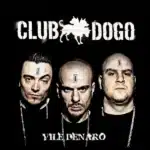
Released on 18 May 2007, Vile denaro is Club Dogo’s third studio album and their first release through a major label, EMI. Following Mi Fist and Penna capitale, it marked an important step towards a wider audience. The original album contains 14 tracks, bringing together the group’s established lyrical aggression with more polished production and increasingly prominent hooks.
The title reflects a recurring concern throughout the record. Money appears as a source of ambition, temptation and power, shaping relationships and the world the rappers describe. Guè and Jake La Furia approach these subjects through boasts, dark humour and storytelling, moving between the attraction of success and its less appealing consequences.
Don Joe’s production gives the album a distinctive mixture of hip-hop foundations and electronic sounds, with influences from early-1990s dance music. Mastered at Sterling Sound in New York, the record develops the musical range explored on Penna capitale. The two rappers remain central to its character: Guè’s intricate phrasing and wordplay contrast with Jake’s rougher voice and emphatic delivery.
Mi hanno detto che…, the lead single, helped introduce the group to listeners beyond its underground following, while Tornerò da re became another prominent track from the release. Songs including Incubo italiano, La verità and M-I Bastard retain the confrontational tone and connection to Milan that run through Club Dogo’s early work.
Among the album’s notable collaborations is Puro Bogotà, featuring Marracash and Vincenzo da Via Anfossi. The track brings together members of the wider Dogo Gang circle and captures their shared chemistry. Daniele Vit contributes to Ora che ci penso, while La chiave features Stylophonic, ROba and Zenima, adding another set of musical voices to the closing stretch.
Confessioni di una banconota offers one of the record’s most distinctive storytelling ideas, approaching its central subject through the perspective of money itself. It reinforces the themes running through the album, connecting individual desires with the wider systems of power and exchange surrounding them.
Vile denaro captures Club Dogo at a moment of transition, bringing their underground identity into a more ambitious commercial setting. Its sharper production and memorable hooks broaden their sound, while the writing preserves the provocative humour, urban detail and contrasting personalities that had established their reputation.
Dogocrazia (2009)

Released on 5 June 2009 through Universal Music, Dogocrazia is Club Dogo’s fourth studio album. Following Vile denaro, the 15-track record marked their first release for Universal and another step towards a wider audience. Guè, Jake La Furia and Don Joe retained their forceful identity while bringing together a broader range of sounds and collaborators.
The album moves between ambition, money, excess and the pressures of everyday life. Confidence and provocative humour sit alongside darker reflections on relationships and society. Guè and Jake La Furia keep their contrasting voices at the centre of the record, combining sharp punchlines with more personal passages. Their exchanges give the songs a recognisable character even as the mood changes.
Don Joe produced the album, with Roberto “Roba” Baldi contributing to the production of several tracks. The beats provide room for both aggressive delivery and more accessible hooks, supporting the group’s movement between street rap and songs with a broader appeal. The production holds together a record that features numerous guests without losing the sound of the core trio.
The lead single Sgrilla!! introduces the album’s bold, confrontational approach. Tanta roba and Boing emphasise energy and memorable phrases, while Il mio mondo, le mie regole expresses the independence central to Club Dogo’s image. Other tracks, including Amore infame and Richiamami domani, bring relationships into the picture, widening the album’s focus beyond status and success.
The Italian collaborations connect Club Dogo with several different voices. J-Ax appears on Brucia ancora, while Marracash joins them on Meglio che morto. Terron Fabio of Sud Sound System contributes to Né fama, né soldi, and Karkadan features on Ragazzi fuori. These appearances add variety while keeping the group’s delivery and personality at the forefront.
The record also makes its connection with American hip-hop explicit. New York rapper Kool G Rap appears on Gunz from Italy, bringing one of rap’s influential voices into the project. Infamous Gang features Infamous Mobb alongside Vincenzo da Via Anfossi and Montenero, creating a collective track that links the group’s Italian circle with artists from the New York scene.
Dogocrazia debuted at number seven on the Italian album chart. It captures Club Dogo at a point when their audience was expanding, with the confidence to reach further while maintaining the attitude that had established them. Between its energetic singles, darker moments and international collaborations, the album forms an important bridge between their early catalogue and the success that followed with Che bello essere noi.
Che bello essere noi (2010)

Released on 5 October 2010 through Universal Music, Che bello essere noi is Club Dogo’s fifth studio album. Arriving a year after Dogocrazia, its 15 tracks find the trio strengthening its identity while exploring a more personal approach to writing. Guè and Jake La Furia draw increasingly on their own experiences, with Don Joe expanding the musical backdrop through electronic sounds and varied production.
The title captures the group’s confidence and sense of belonging. The opening track, Voi non siete come noi, sets an assertive tone, but the album reaches beyond self-celebration. Alongside the provocative humour and competitive verses are observations about everyday pressures, relationships and the society surrounding them.
Per la gente is central to this connection with their audience. Released ahead of the album, it presents Club Dogo as a voice for listeners who recognise their own experiences in the group’s music. Spacco tutto offers a more explosive introduction, pairing aggressive delivery with the direct, memorable energy that had become an increasingly important part of their sound.
Don Joe’s production accommodates both sides of the record: hard-edged rapping and songs with a broader melodic appeal. Electronic touches add variety, while the contrasting voices of Guè and Jake keep the performances distinctive. All’ultimo respiro provides a more reflective moment, showing how the group could make room for emotional vulnerability within an otherwise confrontational record.
The collaborations bring together several important voices from Italian hip-hop. Neapolitan duo Co’Sang join the group on Anni zero, while Marracash appears on Ciao proprio. Entics contributes to Giù con la testa, and Daniele Vit features on Il sole e la luna. Each guest adds a different character, broadening the album’s range while preserving the trio’s presence at its centre.
The darker side of the record emerges on Cocaina, featuring Noyz Narcos, while Qualcuno pagherà brings in Nex Cassel and DJ Zak. These tracks maintain a strong connection with the harder sounds and explicit storytelling of the Italian underground. Elsewhere, songs such as Nuove Nike and Notte prima degli esami help give the album a recognisable everyday setting alongside its larger statements of ambition and identity.
Debuting at number two in the Italian album chart, Che bello essere noi marked another substantial step in Club Dogo’s rise. It captures a group becoming more widely recognised while giving greater space to personal experience and musical experimentation. Its combination of forceful singles, reflective passages and varied collaborations makes it an important bridge between their earlier records and the wider commercial success that followed.
Noi siamo il club (2012)

Released on 5 June 2012 through Universal Music, Noi siamo il club is Club Dogo’s sixth studio album and their first to debut at number one in Italy. Following the success of Che bello essere noi, it brought Guè, Jake La Furia and Don Joe to an even wider audience. The record combines assertive rap performances with melodic choruses and electronic production, capturing the trio at a major moment in their commercial breakthrough.
The title places the group’s shared identity at the centre of the project. On the title track, featuring Marracash, that identity extends to the wider circle surrounding them. The sense of belonging also reaches their listeners: beneath the confidence and provocative humour are accounts of frustration, limited opportunities and the pressure to achieve success.
Don Joe’s production gives the album a broad musical range, moving between hard rap beats, dance influences and more melodic arrangements. Cattivi esempi introduces the group’s confrontational side, while Chissenefrega (in discoteca) embraces the release and excess of nightlife. The collaboration with Datura on Erba del diavolo makes the connection with Italian dance music particularly clear.
The album’s biggest crossover moment is P.E.S., featuring Giuliano Palma. Taking its name from the football video game, the song connects its catchy chorus with familiar scenes of friendship, everyday struggles and evenings spent together. Its accessible sound helped carry Club Dogo beyond their established rap audience, making it one of the defining songs of this period in their career.
Other collaborations preserve the record’s strong ties to Italian hip-hop. Ensi joins the trio on Il ragazzo della piazza, while J-Ax appears on Sangue blu. Zuli contributes to Niente è impossibile, Emiliano Pepe features on Se non mi trovi, and Power Francers bring their electronic pop style to La fine del mondo. The variety of guests gives the album different textures without displacing the chemistry between Guè and Jake.
Alongside the party tracks, the record makes room for disappointment and vulnerability. Tutto ciò che ho draws on the difficulties expressed by fans, bringing the relationship between the group and its audience into the writing itself. Songs such as Collassato also expose the less glamorous side of excess, giving the album a more troubled undercurrent than its celebratory singles might initially suggest.
An expanded Reloaded Edition followed in November 2012, adding new material, guest appearances and remixes. By then, the original release had already become a major success. Noi siamo il club remains an important turning point in Club Dogo’s catalogue, bringing their forceful delivery and recognisable personality into songs that reached a much broader audience.

Released on 9 September 2014 through Universal Music, Non siamo più quelli di Mi Fist is Club Dogo’s seventh studio album. Its 14 tracks arrived after successful solo releases from Guè and Jake La Furia, bringing the two rappers back together with Don Joe. The album debuted at number one in Italy, repeating the chart-topping achievement of Noi siamo il club.
The title directly addresses the comparisons that had followed the group since their independent debut. It acknowledges how their lives, audience and music had changed over more than a decade. That tension between their beginnings and their present position gives the album a clear theme, linking confident declarations of success with reflection on the journey behind them.
Conceived, written and recorded in Los Angeles, the project was entirely produced by Don Joe and mixed by Demacio “Demo” Castellon. Its sound moves between forceful rap, electronic production, melodic choruses and acoustic touches. Guè and Jake retain their contrasting delivery, but the arrangements give them room to explore moods beyond the aggression associated with their early records.
The guest list is smaller than on Noi siamo il club, with four collaborations bringing distinct musical contributions. Negramaro guitarist Lele Spedicato appears on the opening track, Sayonara, while Arisa’s voice gives Fragili an emotional centre. American singer Cris Cab joins the trio on Start It Over, and Entics brings acoustic and reggae flavours to Quando tornerò.
Weekend, the lead single, introduced the album’s more immediate, celebratory side. Fragili offered a different perspective, pairing the rappers’ verses with a sung chorus that emphasises vulnerability. Together, the two singles show the breadth of a record that moves between outward confidence and more private uncertainty.
The storytelling becomes particularly striking on Lisa, which addresses prostitution and the pressures surrounding a young woman’s search for a better life. Siamo nati qua turns towards disillusionment and restricted opportunities in Italy, while Zarro! returns to the energy of the dance floor. These shifts give the album a varied character, balancing entertainment with observations about the world beyond fame.
The closing track, Dieci anni fa, looks back at the group’s early years and the work involved in establishing their place in Italian rap. It provides a fitting response to the title: the trio recognise how much has changed while maintaining pride in their foundations. An expanded Complete Edition followed in 2015, adding remixes, guests and live material. The original album became their final studio release before the long break that ended with their reunion and return in 2024.

Released on 12 January 2024 through Island Records and Universal Music Italia, Club Dogo is the trio’s eighth studio album and their first collection of new material since 2014. Its 11 tracks reunite Guè, Jake La Furia and producer Don Joe after almost a decade spent developing separate careers. The self-titled release places their shared identity at the centre of the comeback.
The reunion had been announced in October 2023 through a cinematic video featuring actor Claudio Santamaria and Milan’s mayor, Beppe Sala. Inspired by Batman, it presented Milan as a version of Gotham City, with the group’s three-headed dog emblem serving as the signal calling them back into action. That connection with their home city carries into the album, giving the return a familiar setting.
Don Joe’s production brings the two rappers together over a mixture of sample-based hip-hop, atmospheric arrangements and heavier contemporary beats. Guè’s intricate phrasing and Jake’s forceful delivery remain central to the sound. Their performances combine competitive confidence, provocative humour and reflection, revisiting the partnership that distinguished their earlier records while drawing on the experience gained during their years apart.
The opening track, C’era una volta in Italia, introduces the record with a title that suggests both storytelling and a look back at a changed country. Mafia del boom bap makes the group’s attachment to rap tradition explicit, while tracks such as King of the Jungle and In sbatti maintain the energy and assertiveness associated with their catalogue. Across the album, the emphasis stays firmly on the interaction between the two voices.
Marracash joins the trio on Nato per questo, reconnecting the album with the wider Dogo Gang circle. His presence links the reunion to a partnership that runs through several earlier Club Dogo releases. Sfera Ebbasta appears on Milly, bringing one of Italian trap’s biggest names into the project and connecting the group with a generation that rose to prominence during their absence.
Elodie contributes to Soli a Milano, adding a melodic contrast to the rappers’ verses and keeping the city within the album’s emotional landscape. The closing track, Indelebili, features additional vocals from Kaze. These contributions broaden the record’s range while leaving Guè, Jake and Don Joe at its centre.
The album debuted at number one in Italy, demonstrating the strength of the audience waiting for their return. The reunion also led to ten sold-out concerts at Milan’s Forum and a major show at San Siro in June 2024. Club Dogo gave that comeback new music of its own, allowing the trio to add another chapter to their catalogue alongside the songs that had established their reputation.
Club Dogo
Members: Guè, Jake La Furia and Don Joe
Real names: Cosimo Fini (Guè), Francesco Vigorelli (Jake La Furia), Luigi Florio (Don Joe)
Born: Guè — 25 December 1980; Jake La Furia — 25 February 1979; Don Joe — 15 May 1975. All in Milan
Roots: Milan, Lombardy
Roles: Guè and Jake La Furia — rappers; Don Joe — DJ and producer
Formed: 2002
Active: 2002–2014; reunited in 2023
Style: Italian hip-hop and hardcore rap
Debut album: Mi Fist (2003) ↗
Biography
Club Dogo are one of the most influential groups in Italian rap (it could be argued they are actually the most influential), helping bring the genre from the underground into the mainstream. Formed in Milan in 2002, the trio brings together rappers Guè and Jake La Furia with DJ and producer Don Joe. Their history began with Sacre Scuole, the earlier group in which Guè and Jake performed alongside Dargen D’Amico. After that project ended, the new partnership became the foundation of Club Dogo.
Milan runs through their music as both a setting and an identity. Their lyrics draw on city life, ambition, money, excess and frustration, mixing dark humour with blunt observations and provocative storytelling. Guè’s intricate wordplay and assured delivery complement Jake’s rougher voice and forceful approach, while Don Joe’s production gives the two rappers a distinctive musical backdrop.
Their independent debut, Mi Fist, released in 2003, established their reputation in the Italian underground. Over the following decade, they reached an increasingly broad audience, moving from small venues to major stages and bringing their uncompromising language into the charts. Their sound expanded to include more melodic hooks and club-oriented production, sometimes dividing longtime listeners while attracting new fans.
Their influence also extended through Dogo Gang, the wider circle of rappers and producers associated with the group. Artists including Marracash and Vincenzo da Via Anfossi were part of this network, which helped make Milan a central force in Italian hip-hop. Club Dogo became a reference point for younger performers, showing that Italian rap could achieve commercial success while retaining a strong local identity.
Following their final album of the first period in 2014, the three members increasingly concentrated on separate careers. Guè and Jake continued as solo artists, while Don Joe remained active as a producer and collaborator. The long break left fans wondering whether they would ever record and perform together again.
The reunion was announced in October 2023, followed by new music and a return to the stage in 2024. Ten sold-out shows at Milan’s Forum and a concert at San Siro demonstrated the strength of their following across generations. Their return confirmed the lasting place of Club Dogo in Italian rap: a group whose shared identity remained powerful even after years apart.
Albums
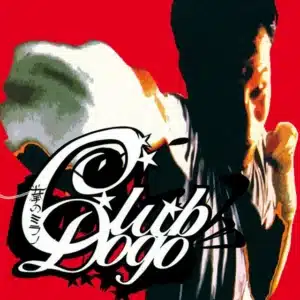
Released in 2003, Mi Fist is Club Dogo’s debut studio album and a landmark of Italian underground hip-hop. Independently produced, it introduced the partnership between rappers Guè and Jake La Furia and producer Don Joe. Following their earlier experience with Sacre Scuole, the trio established a distinct identity, with Milan providing the setting and atmosphere for much of their music.
Don Joe’s production gives the album a gritty, sample-driven sound, drawing on American hip-hop while leaving space for the two rappers’ contrasting voices. Guè brings intricate rhymes, cultural references and sharp wordplay, while Jake delivers his verses with a rougher tone and explosive energy. Their exchanges create a strong sense of chemistry, with each rapper adding a different character to the record.
The lyrics combine urban observation, personal frustration, ambition and dark humour. Alongside the boasts and confrontational passages are stories with a more reflective and emotional weight. Vida loca is especially significant in this respect, addressing imprisonment and its impact on those left outside. Tracks such as Cronache di resistenza, Rap soprano and Serpi also capture different aspects of the group’s early approach, from technical rapping to vivid storytelling.
Contributions from Dargen D’Amico, Aken and Issam Lamaislam connect the album to the wider underground scene. Dargen’s appearance also maintains a link with the Sacre Scuole years, even as Club Dogo move forward with their new formation. The record’s independent origins are central to its character: it presents a group developing its own language and sound before the commercial success that would follow.
Originally released through MiResidenza Entertainment, Mi Fist was reissued by Vibrarecords in 2004, helping it reach a wider audience. That year, the group received recognition at the MC Giaime awards, winning Best Album and Best Artist/Group. Its reputation continued to grow, and it became an important reference point for later generations of Italian rappers.
For listeners discovering Club Dogo through their later hits, Mi Fist offers a direct introduction to their foundations: dense verses, raw production and a strong connection to Milan’s hip-hop culture. The Spotify player linked here contains the remastered version.
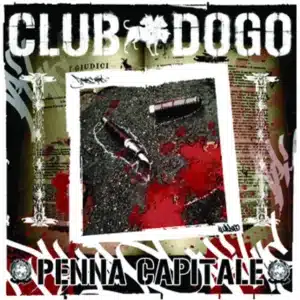
Released on 15 March 2006 through Vibrarecords and The Saifam Group, Penna capitale is Club Dogo’s second studio album. Arriving three years after Mi Fist, it finds Guè, Jake La Furia and Don Joe developing the sound that had established their underground reputation. Across 16 tracks, the group combines forceful rapping with a broader musical range, retaining the grit of its debut while building more structured songs.
Writing takes centre stage throughout the album: intricate rhymes, pointed observations and provocative humour shape the two rappers’ accounts of ambition, excess and city life. Milan remains central to their identity, but the record also explores the desire to escape limitations and make something of oneself.
Don Joe handles most of the production, with contributions from figures including DJ Shocca, Shablo and Deda. The beats give the album a fuller and more varied backdrop, allowing aggressive tracks to sit alongside melodic and reflective moments. Guè’s agile delivery and Jake’s heavier, rougher voice remain complementary, giving their exchanges an energy that carries through the record.
Marracash appears on D.O.G.O. and Briatori, strengthening the connection with the wider Dogo Gang circle. Other guests include Vincenzo da Via Anfossi and MC Mars on Don’t Test, and Liv L’Raynge on Non sto in cerca di una sposa. These collaborations place the album firmly within the network of performers surrounding the group, while adding different voices and textures.
Songs such as Butta via tutto, Una volta sola and Cani sciolti 2006 offer useful entry points into the album’s range. Its confrontational passages are balanced by moments of reflection, while Due modi and No More Sorrow introduce more melodic elements. The closing remix of Cani sciolti 2006 provides another take on one of the record’s defining tracks.
Penna capitale captures an important stage in Club Dogo’s development, between the independent breakthrough of their debut and the greater exposure that followed. The emphasis remains on the chemistry between the two rappers and the strength of their writing, but the broader production and collaborations show a group ready to expand its audience. It is a key part of their early catalogue and a clear expression of the sound they were building in the mid-2000s.
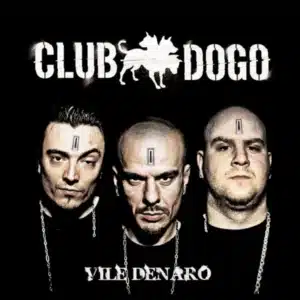
Released on 18 May 2007, Vile denaro is Club Dogo’s third studio album and their first release through a major label, EMI. Following Mi Fist and Penna capitale, it marked an important step towards a wider audience. The original album contains 14 tracks, bringing together the group’s established lyrical aggression with more polished production and increasingly prominent hooks.
The title reflects a recurring concern throughout the record. Money appears as a source of ambition, temptation and power, shaping relationships and the world the rappers describe. Guè and Jake La Furia approach these subjects through boasts, dark humour and storytelling, moving between the attraction of success and its less appealing consequences.
Don Joe’s production gives the album a distinctive mixture of hip-hop foundations and electronic sounds, with influences from early-1990s dance music. Mastered at Sterling Sound in New York, the record develops the musical range explored on Penna capitale. The two rappers remain central to its character: Guè’s intricate phrasing and wordplay contrast with Jake’s rougher voice and emphatic delivery.
Mi hanno detto che…, the lead single, helped introduce the group to listeners beyond its underground following, while Tornerò da re became another prominent track from the release. Songs including Incubo italiano, La verità and M-I Bastard retain the confrontational tone and connection to Milan that run through Club Dogo’s early work.
Among the album’s notable collaborations is Puro Bogotà, featuring Marracash and Vincenzo da Via Anfossi. The track brings together members of the wider Dogo Gang circle and captures their shared chemistry. Daniele Vit contributes to Ora che ci penso, while La chiave features Stylophonic, ROba and Zenima, adding another set of musical voices to the closing stretch.
Confessioni di una banconota offers one of the record’s most distinctive storytelling ideas, approaching its central subject through the perspective of money itself. It reinforces the themes running through the album, connecting individual desires with the wider systems of power and exchange surrounding them.
Vile denaro captures Club Dogo at a moment of transition, bringing their underground identity into a more ambitious commercial setting. Its sharper production and memorable hooks broaden their sound, while the writing preserves the provocative humour, urban detail and contrasting personalities that had established their reputation.
Dogocrazia (2009)
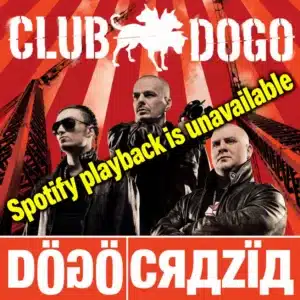
Released on 5 June 2009 through Universal Music, Dogocrazia is Club Dogo’s fourth studio album. Following Vile denaro, the 15-track record marked their first release for Universal and another step towards a wider audience. Guè, Jake La Furia and Don Joe retained their forceful identity while bringing together a broader range of sounds and collaborators.
The album moves between ambition, money, excess and the pressures of everyday life. Confidence and provocative humour sit alongside darker reflections on relationships and society. Guè and Jake La Furia keep their contrasting voices at the centre of the record, combining sharp punchlines with more personal passages. Their exchanges give the songs a recognisable character even as the mood changes.
Don Joe produced the album, with Roberto “Roba” Baldi contributing to the production of several tracks. The beats provide room for both aggressive delivery and more accessible hooks, supporting the group’s movement between street rap and songs with a broader appeal. The production holds together a record that features numerous guests without losing the sound of the core trio.
The lead single Sgrilla!! introduces the album’s bold, confrontational approach. Tanta roba and Boing emphasise energy and memorable phrases, while Il mio mondo, le mie regole expresses the independence central to Club Dogo’s image. Other tracks, including Amore infame and Richiamami domani, bring relationships into the picture, widening the album’s focus beyond status and success.
The Italian collaborations connect Club Dogo with several different voices. J-Ax appears on Brucia ancora, while Marracash joins them on Meglio che morto. Terron Fabio of Sud Sound System contributes to Né fama, né soldi, and Karkadan features on Ragazzi fuori. These appearances add variety while keeping the group’s delivery and personality at the forefront.
The record also makes its connection with American hip-hop explicit. New York rapper Kool G Rap appears on Gunz from Italy, bringing one of rap’s influential voices into the project. Infamous Gang features Infamous Mobb alongside Vincenzo da Via Anfossi and Montenero, creating a collective track that links the group’s Italian circle with artists from the New York scene.
Dogocrazia debuted at number seven on the Italian album chart. It captures Club Dogo at a point when their audience was expanding, with the confidence to reach further while maintaining the attitude that had established them. Between its energetic singles, darker moments and international collaborations, the album forms an important bridge between their early catalogue and the success that followed with Che bello essere noi.
Che bello essere noi (2010)
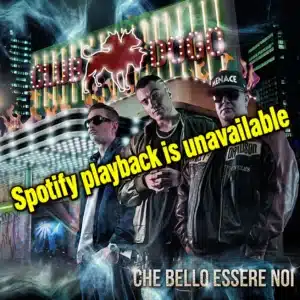
Released on 5 October 2010 through Universal Music, Che bello essere noi is Club Dogo’s fifth studio album. Arriving a year after Dogocrazia, its 15 tracks find the trio strengthening its identity while exploring a more personal approach to writing. Guè and Jake La Furia draw increasingly on their own experiences, with Don Joe expanding the musical backdrop through electronic sounds and varied production.
The title captures the group’s confidence and sense of belonging. The opening track, Voi non siete come noi, sets an assertive tone, but the album reaches beyond self-celebration. Alongside the provocative humour and competitive verses are observations about everyday pressures, relationships and the society surrounding them.
Per la gente is central to this connection with their audience. Released ahead of the album, it presents Club Dogo as a voice for listeners who recognise their own experiences in the group’s music. Spacco tutto offers a more explosive introduction, pairing aggressive delivery with the direct, memorable energy that had become an increasingly important part of their sound.
Don Joe’s production accommodates both sides of the record: hard-edged rapping and songs with a broader melodic appeal. Electronic touches add variety, while the contrasting voices of Guè and Jake keep the performances distinctive. All’ultimo respiro provides a more reflective moment, showing how the group could make room for emotional vulnerability within an otherwise confrontational record.
The collaborations bring together several important voices from Italian hip-hop. Neapolitan duo Co’Sang join the group on Anni zero, while Marracash appears on Ciao proprio. Entics contributes to Giù con la testa, and Daniele Vit features on Il sole e la luna. Each guest adds a different character, broadening the album’s range while preserving the trio’s presence at its centre.
The darker side of the record emerges on Cocaina, featuring Noyz Narcos, while Qualcuno pagherà brings in Nex Cassel and DJ Zak. These tracks maintain a strong connection with the harder sounds and explicit storytelling of the Italian underground. Elsewhere, songs such as Nuove Nike and Notte prima degli esami help give the album a recognisable everyday setting alongside its larger statements of ambition and identity.
Debuting at number two in the Italian album chart, Che bello essere noi marked another substantial step in Club Dogo’s rise. It captures a group becoming more widely recognised while giving greater space to personal experience and musical experimentation. Its combination of forceful singles, reflective passages and varied collaborations makes it an important bridge between their earlier records and the wider commercial success that followed.
Noi siamo il club (2012)
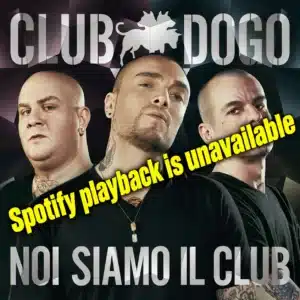
Released on 5 June 2012 through Universal Music, Noi siamo il club is Club Dogo’s sixth studio album and their first to debut at number one in Italy. Following the success of Che bello essere noi, it brought Guè, Jake La Furia and Don Joe to an even wider audience. The record combines assertive rap performances with melodic choruses and electronic production, capturing the trio at a major moment in their commercial breakthrough.
The title places the group’s shared identity at the centre of the project. On the title track, featuring Marracash, that identity extends to the wider circle surrounding them. The sense of belonging also reaches their listeners: beneath the confidence and provocative humour are accounts of frustration, limited opportunities and the pressure to achieve success.
Don Joe’s production gives the album a broad musical range, moving between hard rap beats, dance influences and more melodic arrangements. Cattivi esempi introduces the group’s confrontational side, while Chissenefrega (in discoteca) embraces the release and excess of nightlife. The collaboration with Datura on Erba del diavolo makes the connection with Italian dance music particularly clear.
The album’s biggest crossover moment is P.E.S., featuring Giuliano Palma. Taking its name from the football video game, the song connects its catchy chorus with familiar scenes of friendship, everyday struggles and evenings spent together. Its accessible sound helped carry Club Dogo beyond their established rap audience, making it one of the defining songs of this period in their career.
Other collaborations preserve the record’s strong ties to Italian hip-hop. Ensi joins the trio on Il ragazzo della piazza, while J-Ax appears on Sangue blu. Zuli contributes to Niente è impossibile, Emiliano Pepe features on Se non mi trovi, and Power Francers bring their electronic pop style to La fine del mondo. The variety of guests gives the album different textures without displacing the chemistry between Guè and Jake.
Alongside the party tracks, the record makes room for disappointment and vulnerability. Tutto ciò che ho draws on the difficulties expressed by fans, bringing the relationship between the group and its audience into the writing itself. Songs such as Collassato also expose the less glamorous side of excess, giving the album a more troubled undercurrent than its celebratory singles might initially suggest.
An expanded Reloaded Edition followed in November 2012, adding new material, guest appearances and remixes. By then, the original release had already become a major success. Noi siamo il club remains an important turning point in Club Dogo’s catalogue, bringing their forceful delivery and recognisable personality into songs that reached a much broader audience.
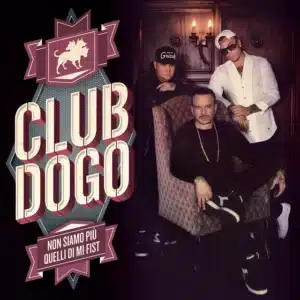
Released on 9 September 2014 through Universal Music, Non siamo più quelli di Mi Fist is Club Dogo’s seventh studio album. Its 14 tracks arrived after successful solo releases from Guè and Jake La Furia, bringing the two rappers back together with Don Joe. The album debuted at number one in Italy, repeating the chart-topping achievement of Noi siamo il club.
The title directly addresses the comparisons that had followed the group since their independent debut. It acknowledges how their lives, audience and music had changed over more than a decade. That tension between their beginnings and their present position gives the album a clear theme, linking confident declarations of success with reflection on the journey behind them.
Conceived, written and recorded in Los Angeles, the project was entirely produced by Don Joe and mixed by Demacio “Demo” Castellon. Its sound moves between forceful rap, electronic production, melodic choruses and acoustic touches. Guè and Jake retain their contrasting delivery, but the arrangements give them room to explore moods beyond the aggression associated with their early records.
The guest list is smaller than on Noi siamo il club, with four collaborations bringing distinct musical contributions. Negramaro guitarist Lele Spedicato appears on the opening track, Sayonara, while Arisa’s voice gives Fragili an emotional centre. American singer Cris Cab joins the trio on Start It Over, and Entics brings acoustic and reggae flavours to Quando tornerò.
Weekend, the lead single, introduced the album’s more immediate, celebratory side. Fragili offered a different perspective, pairing the rappers’ verses with a sung chorus that emphasises vulnerability. Together, the two singles show the breadth of a record that moves between outward confidence and more private uncertainty.
The storytelling becomes particularly striking on Lisa, which addresses prostitution and the pressures surrounding a young woman’s search for a better life. Siamo nati qua turns towards disillusionment and restricted opportunities in Italy, while Zarro! returns to the energy of the dance floor. These shifts give the album a varied character, balancing entertainment with observations about the world beyond fame.
The closing track, Dieci anni fa, looks back at the group’s early years and the work involved in establishing their place in Italian rap. It provides a fitting response to the title: the trio recognise how much has changed while maintaining pride in their foundations. An expanded Complete Edition followed in 2015, adding remixes, guests and live material. The original album became their final studio release before the long break that ended with their reunion and return in 2024.
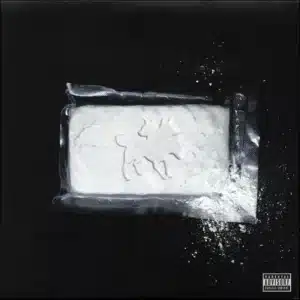
Released on 12 January 2024 through Island Records and Universal Music Italia, Club Dogo is the trio’s eighth studio album and their first collection of new material since 2014. Its 11 tracks reunite Guè, Jake La Furia and producer Don Joe after almost a decade spent developing separate careers. The self-titled release places their shared identity at the centre of the comeback.
The reunion had been announced in October 2023 through a cinematic video featuring actor Claudio Santamaria and Milan’s mayor, Beppe Sala. Inspired by Batman, it presented Milan as a version of Gotham City, with the group’s three-headed dog emblem serving as the signal calling them back into action. That connection with their home city carries into the album, giving the return a familiar setting.
Don Joe’s production brings the two rappers together over a mixture of sample-based hip-hop, atmospheric arrangements and heavier contemporary beats. Guè’s intricate phrasing and Jake’s forceful delivery remain central to the sound. Their performances combine competitive confidence, provocative humour and reflection, revisiting the partnership that distinguished their earlier records while drawing on the experience gained during their years apart.
The opening track, C’era una volta in Italia, introduces the record with a title that suggests both storytelling and a look back at a changed country. Mafia del boom bap makes the group’s attachment to rap tradition explicit, while tracks such as King of the Jungle and In sbatti maintain the energy and assertiveness associated with their catalogue. Across the album, the emphasis stays firmly on the interaction between the two voices.
Marracash joins the trio on Nato per questo, reconnecting the album with the wider Dogo Gang circle. His presence links the reunion to a partnership that runs through several earlier Club Dogo releases. Sfera Ebbasta appears on Milly, bringing one of Italian trap’s biggest names into the project and connecting the group with a generation that rose to prominence during their absence.
Elodie contributes to Soli a Milano, adding a melodic contrast to the rappers’ verses and keeping the city within the album’s emotional landscape. The closing track, Indelebili, features additional vocals from Kaze. These contributions broaden the record’s range while leaving Guè, Jake and Don Joe at its centre.
The album debuted at number one in Italy, demonstrating the strength of the audience waiting for their return. The reunion also led to ten sold-out concerts at Milan’s Forum and a major show at San Siro in June 2024. Club Dogo gave that comeback new music of its own, allowing the trio to add another chapter to their catalogue alongside the songs that had established their reputation.