


J-Ax

Artist: J-Ax
Real Name: Alessandro Aleotti
Group: Articolo 31
Born: 5 August 1972, Milan
Roots: Cologno Monzese, Milan
Active since: 1990 — with Articolo 31
Style: Hip-hop, rap rock and pop rap
Debut solo album: Di sana pianta (2006) ↗
Biography
J-Ax is one of the most recognisable voices in Italian hip-hop, with a career spanning the early breakthrough of Articolo 31, a successful solo catalogue and a continuing appetite for other musical styles. Born Alessandro Aleotti in Milan on 5 August 1972 and raised partly in Cologno Monzese, he developed a delivery built around conversational phrasing, sharp humour and memorable choruses. His writing moves between social observation, personal frustration and affectionate portraits of everyday life, often giving outsiders and people who feel out of place a central role.
In 1990 he formed Articolo 31 with DJ Jad, beginning a partnership that helped bring rap to a much wider audience in Italy. Their debut album, Strade di città (1993), established their combination of Italian lyrics, samples and irreverent humour, while Messa di vespiri (1994) and Così com’è (1996) expanded their reach. Songs such as “Ohi Maria” and “Tranqi Funky” became defining records of that period. Across later releases, the duo increasingly brought guitars and sung melodies into their music, with Domani smetto (2002) and Italiano medio (2003) taking their sound towards rock and pop without abandoning J-Ax’s distinctive verbal style.
His solo career began with Di sana pianta (2006), carrying that mixture of rap, guitars and personal storytelling into a new chapter. Rap n’ Roll and Deca Dance, both released in 2009, explored different sides of his musical identity, pairing rock energy with funk, electronic rhythms and collaborations with artists including Guè and Marracash. In 2010 he also joined Neffa in the duo Due di Picche, releasing C’eravamo tanto odiati. The following year, Meglio prima (?) continued his solo development, balancing humour and defiance with reflections on ageing, belonging and changing musical tastes.
A further phase of mainstream success arrived with Il bello d’esser brutti (2015), whose songs included “Maria Salvador” with Il Cile and “Uno di quei giorni” with Nina Zilli. His partnership with Fedez, with whom he founded the Newtopia label in 2013, led to the joint album Comunisti col Rolex (2017). Tracks such as “Vorrei ma non posto” and “Senza pagare” combined satire, accessible hooks and contemporary pop production. Television appearances, particularly as a coach on The Voice of Italy, brought him to an even broader audience, while his lyrics increasingly made room for family life and fatherhood alongside his more confrontational material.
With ReAle (2020), J-Ax brought together a broad range of collaborators and musical approaches, including the popular singles “Ostia Lido” and “Tutto tua madre”. SurreAle followed in 2021, adding new material to an expanded package that also included ReAle and the punk project Uncool & Proud, recorded under the name J-Axonville. Its songs included “Salsa”, with Jake La Furia. These releases reflected his willingness to move between radio-friendly songs and rougher, more abrasive music, keeping his humour and recognisable voice at the centre.
Alongside his solo work, J-Ax reunited with DJ Jad as Articolo 31 in 2018. The duo later appeared at the 2023 Sanremo Festival with “Un bel viaggio” and released Protomaranza in 2024, reopening a recording partnership that had shaped his early career. His solo album VITA MORTE MIRACOLI, released in September 2026, brought country influences to the foreground, extending an interest in American roots music and storytelling. Across these different chapters, his enduring connection with listeners rests on direct language, self-deprecating humour and an ability to turn private experiences into songs that feel familiar to a broad audience.
Albums

Released on 13 October 2006, Di sana pianta is J-Ax’s debut solo studio album, marking his first full-length release outside Articolo 31. After years working alongside DJ Jad, he steps forward with a record that develops the guitar-driven direction of the duo’s later albums while putting his own experiences and contradictions at the centre. Rap remains fundamental to his delivery, but the arrangements draw heavily on rock and punk, combining distorted guitars, forceful rhythms and melodic choruses. The result establishes a solo identity connected to his earlier work while giving him room to explore a more personal perspective.
“S.N.O.B.” and “Escono i pazzi” bring out his provocative humour and taste for confrontation. His writing mixes exaggeration, everyday language and pointed observations, challenging social expectations while frequently turning the joke on himself. “Buonanotte Italia” extends that critical gaze towards the country around him, while “Aqua nella scquola” brings his irreverence into the classroom. Throughout these songs, his conversational phrasing keeps the subjects accessible, with choruses that give the sharper passages an immediate, memorable shape.
Other tracks make space for affection, insecurity and the complications of growing older. “Ti amo o ti ammazzo” approaches a troubled relationship with heightened emotion, while “Le chiavi di casa” and “Sei sicura” reveal a more vulnerable side of his songwriting. “Piccoli per sempre” and “Quanti anni” connect with the album’s recurring interest in youth, adulthood and the pressure to behave as others expect. These moments give the record emotional range: the rebellious attitude sits alongside a need for reassurance, intimacy and a place to belong.
The original album contains 15 listed tracks, with the hidden song “Mio figlio sarà un mostro” following “Generazione zero”. The edition embedded here also includes “+ Stile”, recorded with The Styles and added for the 2007 reissue. Its guitar-led sound and energetic chorus reinforce the meeting of rap and rock that defines this period of his career. As an opening solo statement, Di sana pianta establishes several threads J-Ax would continue to develop: abrasive comedy, sympathy for outsiders, personal storytelling and a willingness to move freely between rapping and singing.

Released on 23 January 2009, Rap n’ Roll is J-Ax’s second solo studio album and the first of two records he released that year. Its ten tracks concentrate the meeting of hip-hop and rock into a compact, energetic set, with prominent guitars, punchy rhythms and choruses designed to be shouted back. Following the broader introduction of Di sana pianta, this album gives his solo sound a sharper focus, making the connection between his rap background and his enthusiasm for rock explicit in its title and arrangements.
“Aumentaci le dosi” opens the record with a forceful statement of appetite and excess, setting the pace for an album full of provocation and restless energy. The lead single “I vecchietti fanno O” brings his humour to the subject of ageing and the refusal to settle into respectable adulthood. “Mi-rifiuto”, which incorporates the voice of Pino Scotto, adds another confrontational moment. Across these songs, J-Ax uses jokes and exaggeration to question expectations about how people should behave, dress and think as they grow older.
The title track features Guè, bringing another distinct rap voice into the album’s mixture of musical influences. Space One joins him on “Freedrink”, while Irene Viboras appears on “Tre paperelle”, strengthening the connection with the punk scene. The guests contribute to the record’s loose, communal atmosphere, with exchanges between voices and chant-like hooks giving several tracks the feel of a live performance. J-Ax remains the central personality, moving between tightly delivered verses, rough-edged singing and deliberately exaggerated characterisations.
Elsewhere, “In mezzo”, “Come Io comanda” and the closing “Signora” vary the pace and tone within the album’s short running time. The production leaves room for both rhythmic rap passages and more melodic sections, allowing his delivery to change without losing momentum. Released only a few months before Deca Dance, Rap n’ Roll captures the more guitar-driven side of his work in 2009. Its compact structure and emphasis on performance give it a distinct place in his catalogue, built around the friction and shared energy of rap and rock.

Released on 12 June 2009, Deca Dance is J-Ax’s third solo studio album, arriving less than five months after Rap n’ Roll. Conceived as a companion to that record, its original ten tracks explore another part of his musical background, bringing dance rhythms and electronic textures into his mixture of rap, rock and melodic songwriting. Memories of growing up in the 1980s and 1990s run through the project, connecting his personal history with the music, attitudes and popular culture that surrounded him before his breakthrough.
The opening “Vecchia scuola”, featuring Jovanotti, establishes that interest in shared references and formative influences. Their exchange brings together two artists who helped introduce rap to a broad Italian audience, approaching their musical roots with humour and affection. The title track develops the autobiographical thread through a lively arrangement that reflects J-Ax’s renewed appreciation of 1990s house music. Having once dismissed those sounds through a stricter allegiance to hip-hop, he now makes them part of a more open account of his own musical education.
The collaborations give the album several distinct voices. Marracash joins him on “Il commercialista”, adding another sharp rap presence, while his brother Grido appears on “Come Willy l’orbo”. “Anni amari”, featuring Pino Daniele, opens the record towards a different songwriting tradition, with Daniele’s voice and guitar contributing to its reflective character. These encounters sit comfortably within an album built around the connections between musical generations, personal memories and the influences an artist carries into adulthood.
Elsewhere, “I bei tempi”, “I Love Paranoia”, “Immorale” and “Vendesi idolo” give J-Ax room to move between recollection, unease and irreverent commentary. The compact running order keeps these changes of mood close together, while the production allows rhythmic verses and sung refrains to share the foreground. The Spotify edition embedded here adds a Don Joe remix of “Deca Dance” after the original ten songs. Together with Rap n’ Roll, the album documents a particularly productive year in his solo career, showing how readily he could draw on different musical interests while retaining his conversational delivery and pointed sense of humour.

Released on 30 August 2011, Meglio prima (?) is J-Ax’s fourth solo studio album, following his collaboration with Neffa in Due di Picche. Its original 16 tracks bring together rap, rock, pop melodies and electronic touches, giving him space for both confrontational performances and lighter songs. The childhood photograph on the cover fits an album concerned with the relationship between past and present, while the question mark in its title leaves room to challenge the familiar assumption that everything used to be better.
“Ancora in piedi” opens with a statement of resilience, establishing the determination that runs beneath the record’s humour. The title track considers nostalgia through memories and comparisons between generations, questioning how reliably people judge the years behind them. “Musica da rabbia” gives his frustration a more aggressive outlet, pairing a forceful performance with an openly rebellious attitude. Together, these tracks introduce an artist taking stock of his experiences while retaining the desire to provoke, entertain and move forward.
The album also makes room for escapism and everyday pleasures. “Domenica da coma”, its first official single, captures the aftermath of a heavy weekend through an immediate, playful chorus, while “I Love My Bike” centres on the freedom of riding. “(La notte) vale tutto” continues the interest in nightlife, and “Farlo con te (strappamutande)” brings an irreverent approach to intimacy. These songs reflect J-Ax’s stated wish to make an entertaining, more carefree record, balancing the sharper material with moments built around pleasure, release and shared experience.
“Dentro me”, “Per una volta” and “Altra vita” provide further changes of mood, allowing more personal writing to sit alongside the jokes and social observations. Jake La Furia joins him on “Reci-divo”, bringing another distinctive rap voice into the closing stretch of the original album. Across its longer running order, Meglio prima (?) draws together several sides of J-Ax’s solo work: the defiance of his rock-influenced records, his ear for accessible choruses and a growing interest in how age and experience change a person’s outlook.

Released on 27 January 2015, Il bello d’esser brutti is J-Ax’s fifth solo studio album and his first released through Newtopia. Its original 20 tracks present a broad musical palette, bringing rap together with rock, reggae, pop and soul. The title introduces a central idea: the experiences that make someone feel awkward, excluded or different can also become a source of identity and strength. J-Ax approaches that subject through autobiographical writing, humour and observations about the pressure to fit in, giving the album a personal thread across its varied arrangements.
“Uno di quei giorni”, featuring Nina Zilli, introduced the project with a melodic account of everyday frustration and the relief of finding an escape. “Maria Salvador”, with Il Cile, became another of its best-known songs, pairing an immediately recognisable chorus with a relaxed, summery rhythm. Elsewhere, “Caramelle”, featuring Neffa, brings tenderness into the record, while the title track develops its sympathy for people who feel overlooked or judged. These songs helped broaden the album’s appeal, placing accessible melodies alongside the direct language and irreverence familiar from his earlier releases.
The guests also connect the record with different parts of J-Ax’s musical world. Club Dogo join him on “Old Skull”, while Fedez appears on “Bimbiminkia4life”, bringing their developing partnership into the tracklist. Valerio Jovine contributes to “Un altro viaggio”, and J-Ax’s brother Weedo appears on “The Pub Song”. The collaborations allow the mood to move from forceful rap exchanges to warmer, more melodic passages, with J-Ax’s voice and outlook providing continuity throughout.
The original sequence closes with “L’uomo col cappello”, returning the focus to the person behind the public image. The album reached number one in Italy and was expanded on 4 December 2015 with the Multiplatinum Edition, which is the version embedded here. Its 28 tracks retain the original album and add alternative collaborations and performances recorded at the Blue Note, including a version of “Intro” with Bianca Atzei. These additions revisit the existing songs from different angles, extending a project that became a major chapter in J-Ax’s solo career.

Released on 20 January 2017, Comunisti col Rolex is the joint studio album by J-Ax and Fedez, bringing their partnership into a full-length recording project. The original 16 tracks combine the two rappers’ conversational delivery and provocative humour with polished pop production, electronic rhythms and prominent sung choruses. Their different voices give the record its character: J-Ax brings the rasp and phrasing developed across his longer career, while Fedez adds a contrasting delivery shaped by a younger generation of Italian rap.
The title takes an accusation directed at the pair and turns it into the album’s public identity, raising questions about wealth, political beliefs and the scrutiny that comes with commercial success. Those tensions sit alongside songs about relationships, belonging and everyday frustrations. Recorded at Newtopia’s studios in Milan, with production by Takagi & Ketra, the project places their verses within arrangements designed to reach a broad audience. The emphasis on melody gives even its more pointed passages an accessible setting.
“Vorrei ma non posto” introduced the collaboration in 2016, pairing a summery chorus with observations about social media and the urge to turn private experiences into public images. “Assenzio”, featuring Stash and Levante, brings contrasting male and female vocals into a more dramatic song, while “Piccole cose”, with Alessandra Amoroso, gives the album a warmer emotional register. “Senza pagare” supplies another of its most recognisable hooks, combining the pair’s irreverence with an immediate, rhythmic refrain. Together, these songs show how central the exchange between rap verses and melodic choruses is to the project.
The wider guest list includes Giusy Ferreri on “Il giorno e la notte”, Sergio Sylvestre on “L’Italia per me” and Alessia Cara on “Cuore Nerd”. Nek, Arisa and Loredana Bertè contribute to “Anni luce”, “Meglio tardi che noi” and “Allergia” respectively, extending the range of voices across the record. Alongside these collaborations, tracks such as “Fratelli di paglia”, “Tutto il mondo è periferia” and “Milano intorno” leave room for the two principal performers to develop their shared outlook. The album captures a period when their creative and professional partnership placed Italian pop rap at the centre of mainstream attention.

Released on 24 January 2020, ReAle marks J-Ax’s return to a solo studio album after his joint project with Fedez. Arriving five years after Il bello d’esser brutti, the original release contains 18 tracks and brings together several strands of his songwriting: satirical rap, melodic pop, rock influences and more intimate reflections on family life. The emphasis is on taking stock of his experiences while remaining grounded, with his familiar irreverence sharing space with a more openly affectionate and reflective voice.
“Mainstream (La scala sociale del Rap)” opens the original sequence with a comic account of ambition and status in the music industry, turning the pursuit of success into a succession of recognisable situations. “La Mia Hit”, featuring Max Pezzali, moves towards romantic pop, using the language of music and hit records to describe an enduring relationship. “Supercalifragili”, with Annalisa and Luca Di Stefano, adds another melodic collaboration, while “Quando piove, diluvia” gives J-Ax room to explore a more troubled emotional register. These changes of tone make the album a broad collection of songs rather than a project tied to one musical approach.
The guests extend that variety across the record. Boomdabash appear on “Beretta”, Chadia Rodriguez joins him on “Pericoloso”, and Jake La Furia contributes to “RedNeck”. Paola Turci features on “Siamesi”, Enrico Ruggeri on “Cuore a lato” and Sergio Sylvestre on “Cristoforo Colombo”, bringing different vocal styles and songwriting backgrounds into the album. Alongside these collaborations, J-Ax retains his conversational delivery, moving between pointed jokes, storytelling and choruses that invite a wider audience into the songs.
“Ostia Lido” and “Tutto tua madre”, both released before the album, complete the original tracklist with two contrasting sides of his recent work. The former offers a bright, summery escape, while the latter centres on the experience of becoming a father, giving the closing stretch a more personal dimension. The Spotify edition embedded here contains 20 tracks, adding the later singles “Via di qua”, featuring Mr.Rain, and “Una voglia assurda” at the beginning. These additions extend a record that balances public-facing humour and entertainment with the relationships and private experiences shaping this stage of J-Ax’s life.
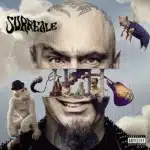
Released on 27 August 2021, SurreAle expands the project J-Ax began with ReAle in January 2020. That earlier album combined satirical rap, melodic collaborations and reflections on family life, including “La Mia Hit”, “Ostia Lido” and “Tutto tua madre”. The expanded release places a new collection of songs before the previous material, drawing on music written during the pandemic. Its title reflects the changed circumstances surrounding the project, as the everyday world explored on ReAle gave way to an unfamiliar period of isolation and uncertainty.
After an opening skit, “Amo l’Odio” introduces the new material, followed by “Salsa”, featuring Jake La Furia. Their collaboration brings a playful, rhythmic energy to the sequence, giving the two rappers space to trade distinctive voices and irreverent humour. “Sono un Fan” and “Tifo Italia” continue the opening stretch, while “Voglio La Mamma” closes this first part of the release. Across these songs, J-Ax balances his appetite for entertainment with the frustration and need for reassurance associated with the period in which they were created.
The collaborations introduce further changes of tone. Ermal Meta appears on “Un Tera di Felicità”, Francesco Sarcina joins him on “Che Classe”, and Federica Abbate contributes to “Canzone Country”. Alongside “Stronzy” and “I Film di Truffaut”, these tracks allow the new collection to move between sharp humour, melodic songwriting and more reflective passages. The variety continues an approach already established on ReAle, with J-Ax using different musical settings to accommodate both his abrasive delivery and his warmer, more personal writing.
The Spotify edition embedded here contains 42 tracks across three sections. The first presents the new SurreAle material, the second gathers the expanded 20-track version of ReAle, and the third includes Uncool & Proud, his punk project recorded as J-Axonville with guitarist Marco “The Hammer” Arata. That final section brings rougher guitars and a more confrontational approach, with songs including “Sansone” and “Retirement Plan (Vecchio, Drogato e Armato)”. The complete package brings together several contrasting sides of his work, from accessible pop collaborations to the punk influences that have long accompanied his rap career.

Released on 4 September 2026, VITA MORTE MIRACOLI brings country music to the foreground of J-Ax’s solo work. After exploring rap rock, punk and pop across earlier releases, he builds this project around a longstanding interest in American songwriting and stories about ordinary people. His familiar humour and direct language remain, but the musical emphasis shifts towards sung melodies and country influences. The album approaches ageing, personal freedom and the consequences of past choices from the perspective of an artist with more than three decades of experience.
“ODIO LA GENTE” opens with a deliberately abrasive introduction, challenging the friendly television personality that some listeners associate with him. It establishes room for frustration, blunt opinions and uncomfortable feelings alongside the more approachable melodies. The title track turns towards his own journey, considering fame, mistakes and mortality with a mixture of irony and self-examination. These songs give the record a personal focus, allowing J-Ax to reflect on his public identity while questioning what success has brought him and what still matters.
“HIPPY YA YO (PERÒ ANCHE NO)” explores his complicated attachment to America, separating his affection for its music and culture from agreement with its politics. The country direction therefore becomes part of a broader conversation about identity and the assumptions people attach to musical tastes. A more intimate moment arrives with “SCUSAMI DIO”, developed from an unreleased musical idea left by his longtime collaborator Fausto Cogliati, who died during the making of the album. The song brings grief and questions about faith into the project, giving its reflections on loss a direct personal connection.
Elsewhere, titles including “PELLE, OSSA & ALL STAR”, “CIAO PAPÀ” and “SEGRETO” sit within a sequence that balances provocation with more reflective material. Paola Folli appears on “NIENTE PER NIENTE”, adding a guest voice to a record centred largely on J-Ax himself. The country influences provide a setting for his interest in everyday lives, disappointment and persistence, extending themes already present in his earlier songwriting. VITA MORTE MIRACOLI captures another change of musical direction while retaining the outspoken personality and autobiographical perspective that connect the different stages of his career.
J-Ax
Artist: J-Ax
Real Name: Alessandro Aleotti
Group: Articolo 31
Born: 5 August 1972, Milan
Roots: Cologno Monzese, Milan
Active since: 1990 — with Articolo 31
Style: Hip-hop, rap rock and pop rap
Debut solo album: Di sana pianta (2006) ↗
Biography
J-Ax is one of the most recognisable voices in Italian hip-hop, with a career spanning the early breakthrough of Articolo 31, a successful solo catalogue and a continuing appetite for other musical styles. Born Alessandro Aleotti in Milan on 5 August 1972 and raised partly in Cologno Monzese, he developed a delivery built around conversational phrasing, sharp humour and memorable choruses. His writing moves between social observation, personal frustration and affectionate portraits of everyday life, often giving outsiders and people who feel out of place a central role.
In 1990 he formed Articolo 31 with DJ Jad, beginning a partnership that helped bring rap to a much wider audience in Italy. Their debut album, Strade di città (1993), established their combination of Italian lyrics, samples and irreverent humour, while Messa di vespiri (1994) and Così com’è (1996) expanded their reach. Songs such as “Ohi Maria” and “Tranqi Funky” became defining records of that period. Across later releases, the duo increasingly brought guitars and sung melodies into their music, with Domani smetto (2002) and Italiano medio (2003) taking their sound towards rock and pop without abandoning J-Ax’s distinctive verbal style.
His solo career began with Di sana pianta (2006), carrying that mixture of rap, guitars and personal storytelling into a new chapter. Rap n’ Roll and Deca Dance, both released in 2009, explored different sides of his musical identity, pairing rock energy with funk, electronic rhythms and collaborations with artists including Guè and Marracash. In 2010 he also joined Neffa in the duo Due di Picche, releasing C’eravamo tanto odiati. The following year, Meglio prima (?) continued his solo development, balancing humour and defiance with reflections on ageing, belonging and changing musical tastes.
A further phase of mainstream success arrived with Il bello d’esser brutti (2015), whose songs included “Maria Salvador” with Il Cile and “Uno di quei giorni” with Nina Zilli. His partnership with Fedez, with whom he founded the Newtopia label in 2013, led to the joint album Comunisti col Rolex (2017). Tracks such as “Vorrei ma non posto” and “Senza pagare” combined satire, accessible hooks and contemporary pop production. Television appearances, particularly as a coach on The Voice of Italy, brought him to an even broader audience, while his lyrics increasingly made room for family life and fatherhood alongside his more confrontational material.
With ReAle (2020), J-Ax brought together a broad range of collaborators and musical approaches, including the popular singles “Ostia Lido” and “Tutto tua madre”. SurreAle followed in 2021, adding new material to an expanded package that also included ReAle and the punk project Uncool & Proud, recorded under the name J-Axonville. Its songs included “Salsa”, with Jake La Furia. These releases reflected his willingness to move between radio-friendly songs and rougher, more abrasive music, keeping his humour and recognisable voice at the centre.
Alongside his solo work, J-Ax reunited with DJ Jad as Articolo 31 in 2018. The duo later appeared at the 2023 Sanremo Festival with “Un bel viaggio” and released Protomaranza in 2024, reopening a recording partnership that had shaped his early career. His solo album VITA MORTE MIRACOLI, released in September 2026, brought country influences to the foreground, extending an interest in American roots music and storytelling. Across these different chapters, his enduring connection with listeners rests on direct language, self-deprecating humour and an ability to turn private experiences into songs that feel familiar to a broad audience.
Albums
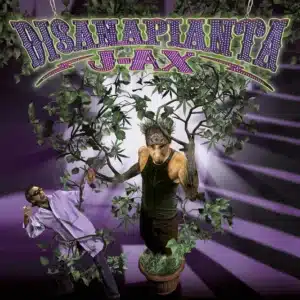
Released on 13 October 2006, Di sana pianta is J-Ax’s debut solo studio album, marking his first full-length release outside Articolo 31. After years working alongside DJ Jad, he steps forward with a record that develops the guitar-driven direction of the duo’s later albums while putting his own experiences and contradictions at the centre. Rap remains fundamental to his delivery, but the arrangements draw heavily on rock and punk, combining distorted guitars, forceful rhythms and melodic choruses. The result establishes a solo identity connected to his earlier work while giving him room to explore a more personal perspective.
“S.N.O.B.” and “Escono i pazzi” bring out his provocative humour and taste for confrontation. His writing mixes exaggeration, everyday language and pointed observations, challenging social expectations while frequently turning the joke on himself. “Buonanotte Italia” extends that critical gaze towards the country around him, while “Aqua nella scquola” brings his irreverence into the classroom. Throughout these songs, his conversational phrasing keeps the subjects accessible, with choruses that give the sharper passages an immediate, memorable shape.
Other tracks make space for affection, insecurity and the complications of growing older. “Ti amo o ti ammazzo” approaches a troubled relationship with heightened emotion, while “Le chiavi di casa” and “Sei sicura” reveal a more vulnerable side of his songwriting. “Piccoli per sempre” and “Quanti anni” connect with the album’s recurring interest in youth, adulthood and the pressure to behave as others expect. These moments give the record emotional range: the rebellious attitude sits alongside a need for reassurance, intimacy and a place to belong.
The original album contains 15 listed tracks, with the hidden song “Mio figlio sarà un mostro” following “Generazione zero”. The edition embedded here also includes “+ Stile”, recorded with The Styles and added for the 2007 reissue. Its guitar-led sound and energetic chorus reinforce the meeting of rap and rock that defines this period of his career. As an opening solo statement, Di sana pianta establishes several threads J-Ax would continue to develop: abrasive comedy, sympathy for outsiders, personal storytelling and a willingness to move freely between rapping and singing.

Released on 23 January 2009, Rap n’ Roll is J-Ax’s second solo studio album and the first of two records he released that year. Its ten tracks concentrate the meeting of hip-hop and rock into a compact, energetic set, with prominent guitars, punchy rhythms and choruses designed to be shouted back. Following the broader introduction of Di sana pianta, this album gives his solo sound a sharper focus, making the connection between his rap background and his enthusiasm for rock explicit in its title and arrangements.
“Aumentaci le dosi” opens the record with a forceful statement of appetite and excess, setting the pace for an album full of provocation and restless energy. The lead single “I vecchietti fanno O” brings his humour to the subject of ageing and the refusal to settle into respectable adulthood. “Mi-rifiuto”, which incorporates the voice of Pino Scotto, adds another confrontational moment. Across these songs, J-Ax uses jokes and exaggeration to question expectations about how people should behave, dress and think as they grow older.
The title track features Guè, bringing another distinct rap voice into the album’s mixture of musical influences. Space One joins him on “Freedrink”, while Irene Viboras appears on “Tre paperelle”, strengthening the connection with the punk scene. The guests contribute to the record’s loose, communal atmosphere, with exchanges between voices and chant-like hooks giving several tracks the feel of a live performance. J-Ax remains the central personality, moving between tightly delivered verses, rough-edged singing and deliberately exaggerated characterisations.
Elsewhere, “In mezzo”, “Come Io comanda” and the closing “Signora” vary the pace and tone within the album’s short running time. The production leaves room for both rhythmic rap passages and more melodic sections, allowing his delivery to change without losing momentum. Released only a few months before Deca Dance, Rap n’ Roll captures the more guitar-driven side of his work in 2009. Its compact structure and emphasis on performance give it a distinct place in his catalogue, built around the friction and shared energy of rap and rock.

Released on 12 June 2009, Deca Dance is J-Ax’s third solo studio album, arriving less than five months after Rap n’ Roll. Conceived as a companion to that record, its original ten tracks explore another part of his musical background, bringing dance rhythms and electronic textures into his mixture of rap, rock and melodic songwriting. Memories of growing up in the 1980s and 1990s run through the project, connecting his personal history with the music, attitudes and popular culture that surrounded him before his breakthrough.
The opening “Vecchia scuola”, featuring Jovanotti, establishes that interest in shared references and formative influences. Their exchange brings together two artists who helped introduce rap to a broad Italian audience, approaching their musical roots with humour and affection. The title track develops the autobiographical thread through a lively arrangement that reflects J-Ax’s renewed appreciation of 1990s house music. Having once dismissed those sounds through a stricter allegiance to hip-hop, he now makes them part of a more open account of his own musical education.
The collaborations give the album several distinct voices. Marracash joins him on “Il commercialista”, adding another sharp rap presence, while his brother Grido appears on “Come Willy l’orbo”. “Anni amari”, featuring Pino Daniele, opens the record towards a different songwriting tradition, with Daniele’s voice and guitar contributing to its reflective character. These encounters sit comfortably within an album built around the connections between musical generations, personal memories and the influences an artist carries into adulthood.
Elsewhere, “I bei tempi”, “I Love Paranoia”, “Immorale” and “Vendesi idolo” give J-Ax room to move between recollection, unease and irreverent commentary. The compact running order keeps these changes of mood close together, while the production allows rhythmic verses and sung refrains to share the foreground. The Spotify edition embedded here adds a Don Joe remix of “Deca Dance” after the original ten songs. Together with Rap n’ Roll, the album documents a particularly productive year in his solo career, showing how readily he could draw on different musical interests while retaining his conversational delivery and pointed sense of humour.
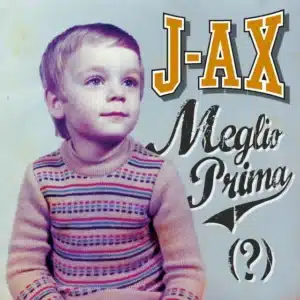
Released on 30 August 2011, Meglio prima (?) is J-Ax’s fourth solo studio album, following his collaboration with Neffa in Due di Picche. Its original 16 tracks bring together rap, rock, pop melodies and electronic touches, giving him space for both confrontational performances and lighter songs. The childhood photograph on the cover fits an album concerned with the relationship between past and present, while the question mark in its title leaves room to challenge the familiar assumption that everything used to be better.
“Ancora in piedi” opens with a statement of resilience, establishing the determination that runs beneath the record’s humour. The title track considers nostalgia through memories and comparisons between generations, questioning how reliably people judge the years behind them. “Musica da rabbia” gives his frustration a more aggressive outlet, pairing a forceful performance with an openly rebellious attitude. Together, these tracks introduce an artist taking stock of his experiences while retaining the desire to provoke, entertain and move forward.
The album also makes room for escapism and everyday pleasures. “Domenica da coma”, its first official single, captures the aftermath of a heavy weekend through an immediate, playful chorus, while “I Love My Bike” centres on the freedom of riding. “(La notte) vale tutto” continues the interest in nightlife, and “Farlo con te (strappamutande)” brings an irreverent approach to intimacy. These songs reflect J-Ax’s stated wish to make an entertaining, more carefree record, balancing the sharper material with moments built around pleasure, release and shared experience.
“Dentro me”, “Per una volta” and “Altra vita” provide further changes of mood, allowing more personal writing to sit alongside the jokes and social observations. Jake La Furia joins him on “Reci-divo”, bringing another distinctive rap voice into the closing stretch of the original album. Across its longer running order, Meglio prima (?) draws together several sides of J-Ax’s solo work: the defiance of his rock-influenced records, his ear for accessible choruses and a growing interest in how age and experience change a person’s outlook.

Released on 27 January 2015, Il bello d’esser brutti is J-Ax’s fifth solo studio album and his first released through Newtopia. Its original 20 tracks present a broad musical palette, bringing rap together with rock, reggae, pop and soul. The title introduces a central idea: the experiences that make someone feel awkward, excluded or different can also become a source of identity and strength. J-Ax approaches that subject through autobiographical writing, humour and observations about the pressure to fit in, giving the album a personal thread across its varied arrangements.
“Uno di quei giorni”, featuring Nina Zilli, introduced the project with a melodic account of everyday frustration and the relief of finding an escape. “Maria Salvador”, with Il Cile, became another of its best-known songs, pairing an immediately recognisable chorus with a relaxed, summery rhythm. Elsewhere, “Caramelle”, featuring Neffa, brings tenderness into the record, while the title track develops its sympathy for people who feel overlooked or judged. These songs helped broaden the album’s appeal, placing accessible melodies alongside the direct language and irreverence familiar from his earlier releases.
The guests also connect the record with different parts of J-Ax’s musical world. Club Dogo join him on “Old Skull”, while Fedez appears on “Bimbiminkia4life”, bringing their developing partnership into the tracklist. Valerio Jovine contributes to “Un altro viaggio”, and J-Ax’s brother Weedo appears on “The Pub Song”. The collaborations allow the mood to move from forceful rap exchanges to warmer, more melodic passages, with J-Ax’s voice and outlook providing continuity throughout.
The original sequence closes with “L’uomo col cappello”, returning the focus to the person behind the public image. The album reached number one in Italy and was expanded on 4 December 2015 with the Multiplatinum Edition, which is the version embedded here. Its 28 tracks retain the original album and add alternative collaborations and performances recorded at the Blue Note, including a version of “Intro” with Bianca Atzei. These additions revisit the existing songs from different angles, extending a project that became a major chapter in J-Ax’s solo career.

Released on 20 January 2017, Comunisti col Rolex is the joint studio album by J-Ax and Fedez, bringing their partnership into a full-length recording project. The original 16 tracks combine the two rappers’ conversational delivery and provocative humour with polished pop production, electronic rhythms and prominent sung choruses. Their different voices give the record its character: J-Ax brings the rasp and phrasing developed across his longer career, while Fedez adds a contrasting delivery shaped by a younger generation of Italian rap.
The title takes an accusation directed at the pair and turns it into the album’s public identity, raising questions about wealth, political beliefs and the scrutiny that comes with commercial success. Those tensions sit alongside songs about relationships, belonging and everyday frustrations. Recorded at Newtopia’s studios in Milan, with production by Takagi & Ketra, the project places their verses within arrangements designed to reach a broad audience. The emphasis on melody gives even its more pointed passages an accessible setting.
“Vorrei ma non posto” introduced the collaboration in 2016, pairing a summery chorus with observations about social media and the urge to turn private experiences into public images. “Assenzio”, featuring Stash and Levante, brings contrasting male and female vocals into a more dramatic song, while “Piccole cose”, with Alessandra Amoroso, gives the album a warmer emotional register. “Senza pagare” supplies another of its most recognisable hooks, combining the pair’s irreverence with an immediate, rhythmic refrain. Together, these songs show how central the exchange between rap verses and melodic choruses is to the project.
The wider guest list includes Giusy Ferreri on “Il giorno e la notte”, Sergio Sylvestre on “L’Italia per me” and Alessia Cara on “Cuore Nerd”. Nek, Arisa and Loredana Bertè contribute to “Anni luce”, “Meglio tardi che noi” and “Allergia” respectively, extending the range of voices across the record. Alongside these collaborations, tracks such as “Fratelli di paglia”, “Tutto il mondo è periferia” and “Milano intorno” leave room for the two principal performers to develop their shared outlook. The album captures a period when their creative and professional partnership placed Italian pop rap at the centre of mainstream attention.

Released on 24 January 2020, ReAle marks J-Ax’s return to a solo studio album after his joint project with Fedez. Arriving five years after Il bello d’esser brutti, the original release contains 18 tracks and brings together several strands of his songwriting: satirical rap, melodic pop, rock influences and more intimate reflections on family life. The emphasis is on taking stock of his experiences while remaining grounded, with his familiar irreverence sharing space with a more openly affectionate and reflective voice.
“Mainstream (La scala sociale del Rap)” opens the original sequence with a comic account of ambition and status in the music industry, turning the pursuit of success into a succession of recognisable situations. “La Mia Hit”, featuring Max Pezzali, moves towards romantic pop, using the language of music and hit records to describe an enduring relationship. “Supercalifragili”, with Annalisa and Luca Di Stefano, adds another melodic collaboration, while “Quando piove, diluvia” gives J-Ax room to explore a more troubled emotional register. These changes of tone make the album a broad collection of songs rather than a project tied to one musical approach.
The guests extend that variety across the record. Boomdabash appear on “Beretta”, Chadia Rodriguez joins him on “Pericoloso”, and Jake La Furia contributes to “RedNeck”. Paola Turci features on “Siamesi”, Enrico Ruggeri on “Cuore a lato” and Sergio Sylvestre on “Cristoforo Colombo”, bringing different vocal styles and songwriting backgrounds into the album. Alongside these collaborations, J-Ax retains his conversational delivery, moving between pointed jokes, storytelling and choruses that invite a wider audience into the songs.
“Ostia Lido” and “Tutto tua madre”, both released before the album, complete the original tracklist with two contrasting sides of his recent work. The former offers a bright, summery escape, while the latter centres on the experience of becoming a father, giving the closing stretch a more personal dimension. The Spotify edition embedded here contains 20 tracks, adding the later singles “Via di qua”, featuring Mr.Rain, and “Una voglia assurda” at the beginning. These additions extend a record that balances public-facing humour and entertainment with the relationships and private experiences shaping this stage of J-Ax’s life.
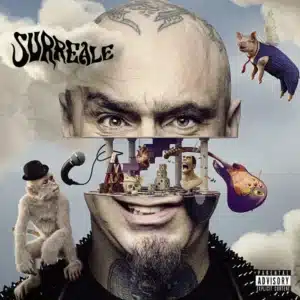
Released on 27 August 2021, SurreAle expands the project J-Ax began with ReAle in January 2020. That earlier album combined satirical rap, melodic collaborations and reflections on family life, including “La Mia Hit”, “Ostia Lido” and “Tutto tua madre”. The expanded release places a new collection of songs before the previous material, drawing on music written during the pandemic. Its title reflects the changed circumstances surrounding the project, as the everyday world explored on ReAle gave way to an unfamiliar period of isolation and uncertainty.
After an opening skit, “Amo l’Odio” introduces the new material, followed by “Salsa”, featuring Jake La Furia. Their collaboration brings a playful, rhythmic energy to the sequence, giving the two rappers space to trade distinctive voices and irreverent humour. “Sono un Fan” and “Tifo Italia” continue the opening stretch, while “Voglio La Mamma” closes this first part of the release. Across these songs, J-Ax balances his appetite for entertainment with the frustration and need for reassurance associated with the period in which they were created.
The collaborations introduce further changes of tone. Ermal Meta appears on “Un Tera di Felicità”, Francesco Sarcina joins him on “Che Classe”, and Federica Abbate contributes to “Canzone Country”. Alongside “Stronzy” and “I Film di Truffaut”, these tracks allow the new collection to move between sharp humour, melodic songwriting and more reflective passages. The variety continues an approach already established on ReAle, with J-Ax using different musical settings to accommodate both his abrasive delivery and his warmer, more personal writing.
The Spotify edition embedded here contains 42 tracks across three sections. The first presents the new SurreAle material, the second gathers the expanded 20-track version of ReAle, and the third includes Uncool & Proud, his punk project recorded as J-Axonville with guitarist Marco “The Hammer” Arata. That final section brings rougher guitars and a more confrontational approach, with songs including “Sansone” and “Retirement Plan (Vecchio, Drogato e Armato)”. The complete package brings together several contrasting sides of his work, from accessible pop collaborations to the punk influences that have long accompanied his rap career.

Released on 4 September 2026, VITA MORTE MIRACOLI brings country music to the foreground of J-Ax’s solo work. After exploring rap rock, punk and pop across earlier releases, he builds this project around a longstanding interest in American songwriting and stories about ordinary people. His familiar humour and direct language remain, but the musical emphasis shifts towards sung melodies and country influences. The album approaches ageing, personal freedom and the consequences of past choices from the perspective of an artist with more than three decades of experience.
“ODIO LA GENTE” opens with a deliberately abrasive introduction, challenging the friendly television personality that some listeners associate with him. It establishes room for frustration, blunt opinions and uncomfortable feelings alongside the more approachable melodies. The title track turns towards his own journey, considering fame, mistakes and mortality with a mixture of irony and self-examination. These songs give the record a personal focus, allowing J-Ax to reflect on his public identity while questioning what success has brought him and what still matters.
“HIPPY YA YO (PERÒ ANCHE NO)” explores his complicated attachment to America, separating his affection for its music and culture from agreement with its politics. The country direction therefore becomes part of a broader conversation about identity and the assumptions people attach to musical tastes. A more intimate moment arrives with “SCUSAMI DIO”, developed from an unreleased musical idea left by his longtime collaborator Fausto Cogliati, who died during the making of the album. The song brings grief and questions about faith into the project, giving its reflections on loss a direct personal connection.
Elsewhere, titles including “PELLE, OSSA & ALL STAR”, “CIAO PAPÀ” and “SEGRETO” sit within a sequence that balances provocation with more reflective material. Paola Folli appears on “NIENTE PER NIENTE”, adding a guest voice to a record centred largely on J-Ax himself. The country influences provide a setting for his interest in everyday lives, disappointment and persistence, extending themes already present in his earlier songwriting. VITA MORTE MIRACOLI captures another change of musical direction while retaining the outspoken personality and autobiographical perspective that connect the different stages of his career.