


Clementino

Artist: Clementino
Real Name: Clemente Maccaro
Born: 21 December 1982, Avellino, Campania
Roots: Cimitile, Naples
Active since: 1996
Style: Italian and Neapolitan rap, freestyle
Debut album: Napolimanicomio (2006) ↗
Biography
Clementino, born Clemente Maccaro on 21 December 1982 in Avellino, is a rapper known for his freestyle ability, expressive delivery and use of both Italian and Neapolitan. Raised in Cimitile, near Nola, he developed his craft in the local hip-hop scene before establishing himself as one of the most recognisable voices in Italian rap.
He began performing as a teenager, joining the Trema Crew and later TCK. Freestyle battles played a central role in his early development: he won Tecniche Perfette in 2004, Da Bomb in 2005 and both Valvarap and 2theBeat in 2006. At the 2006 2theBeat final, he faced Ensi, who had defeated him in the previous year’s final.
His first solo album, Napolimanicomio, appeared in 2006. Rapping in Italian and Neapolitan, he introduced the combination of technical skill, local identity and humour that would remain important to his music. The album was followed by extensive live performances, helping him build an audience beyond Campania. He also joined Francesco Paura and DJ Tayone in the group Videomind, which released Afterparty in 2010.
Clementino returned as a solo artist with I.E.N.A. in 2011. Its title stands for “Io e nessun altro” and is connected to his alter ego Iena White, a name that reflects the energy and theatricality of his performances. The record brought together Neapolitan influences and collaborations with Italian and international rappers, giving further visibility to an artist already respected for his improvisation.
In 2012, Clementino and Fabri Fibra formed the duo Rapstar and released Non è gratis. The following year, Clementino also released the collaborative mixtape Armageddon with Dope One and O’ Luwong. These projects appeared alongside a turning point in his solo career: Mea Culpa (2013), his first solo album released through a major label.
The single “’O vient” helped introduce Clementino to a wider audience, while Mea Culpa brought together a broad cast of collaborators. His next album, Miracolo! (2015), continued to balance rap with more melodic material. Its collaborations included artists from across the Italian scene, and the record showed how far his reach had grown since his early battle days.
His audience expanded further through television and the Sanremo Music Festival. Having appeared as a guest in 2013, he competed with “Quando sono lontano” in 2016 and returned with “Ragazzi fuori” in 2017. The latter appeared on Vulcano (2017), an album that combined personal songs with the forceful delivery and Neapolitan character familiar from his earlier work.
On Tarantelle (2019), Clementino brought together a range of collaborators, including Gemitaiz, Caparezza and Fabri Fibra. He followed it with Black Pulcinella (2022), a record that returned prominently to hip-hop and drew on the Neapolitan mask of Pulcinella for its title and imagery. Among its guests were Rocco Hunt, Geolier and Madame.
Alongside music, Clementino has developed a presence as a television personality and performer, including as a coach on The Voice Senior and The Voice Kids. His eighth solo studio album, GRANDE ANIMA, arrived in 2025 and presented a more melodic and personal side of his work. Across his career, the freestyle skills that first brought him attention have remained a foundation for an artist able to move between underground rap, popular music and entertainment.
Albums
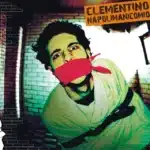
Released on 29 April 2006 through Lynx Records, Napolimanicomio is Clementino’s debut solo album. Arriving after he had made his name in freestyle competitions, the 20-track record introduces a rapper whose technical skill is matched by a lively sense of humour and a strong connection to the Neapolitan scene. He moves between Italian and Neapolitan throughout, giving his rhymes a distinctive rhythm and character.
The album brings together a wide circle of guests and producers. Kiave appears on “Funk allucinazioni”, Francesco Paura joins Clementino on “Mutagenics”, and Patto MC contributes to “In mezzo ai mastini”. “Fantasy 3666” features members of OneMic alongside Malva, while “Linea diretta Mi.Na.” brings together voices from Milan and Naples. The collaborations place Clementino within a network extending beyond his home region, while keeping the record rooted in the scene that shaped him.
Several producers give the album a varied sound. Mastafive contributes beats for tracks including “L’età ré tass” and “In mezzo ai mastini”, while Blakesanders produces “Funk allucinazioni” and “Linea diretta Mi.Na.”. Emcee O’Zi handles “O’ cazone largo” and “Lettera al telefono”, among other tracks, and DJ Snatch provides scratches across the record. The changing beats and numerous guests give the album the feel of a collection built around Clementino’s energetic performances.
“O’ cazone largo” draws on the imagery and language of hip-hop culture with humour, while “Lettera al telefono” and “La legge dei più” show other sides of his writing. The sequence ends with a remix of “L’età ré tass” and “Outro (Cibo per il cervello)”. After the album’s release, Clementino toured extensively across Italy. Napolimanicomio remains a substantial introduction to his early style: inventive, theatrical and closely connected to the people and language around him.

Released on 19 December 2011 through Relief Records EU, I.E.N.A. is Clementino’s second solo studio album. Its title stands for “Io e nessun altro” and also refers to Iena White, his alter ego. Written over approximately two years, the record brings together personal experiences, friendships and musical ideas from a period in which his career was developing beyond the freestyle competitions that first established his name.
The opening “Rovine”, featuring Mama Marjas, introduces an album that makes room for melody as well as rapid changes in flow and delivery. “La mia musica”, originally released ahead of the album, expresses Clementino’s connection to music and features TheRivati. Elsewhere, “Toxico” and “Risata di una I.E.N.A.” show the mischievous side of his persona, while “Finale di fuoco” closes the record on a more reflective note.
The guest appearances connect Clementino with both Italian and American hip-hop. R.A. The Rugged Man joins him on “Animals”, ILL BILL appears on “Hannibal rapper”, and Dope One contributes to “La vita del palo”. Francesco Paura, Clementino’s partner in Videomind, features on “Se ne cade”. These collaborations give the album a range of voices while leaving Clementino’s own personality at its centre.
“Butterfly Effect” provides one of the record’s more serious moments. Clementino explained that the song reflects his concern about young people encountering powerful drugs and the uncertainty surrounding their long-term effects. Its subject contrasts with the more playful “Toxico”, illustrating the different perspectives he brought to the album.
The production also draws on a broad group of collaborators, including Bioshi Kun, Shablo, Night Skinny, Deleterio, DJ Tayone and DJ Skizo. The original twelve-track release includes a remix of “La mia musica”, adding another version of the song alongside the main sequence. Moving between funk influences, direct rap performances and more melodic passages, I.E.N.A. captures Clementino refining a style that could be technically demanding, theatrical and personal at the same time.
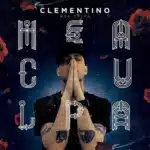
Released on 28 May 2013 through Tempi Duri Records and Universal Music, Mea Culpa is Clementino’s third solo studio album and his first solo release on a major label. Following I.E.N.A. and his Rapstar project with Fabri Fibra, it brought his mixture of Italian and Neapolitan rap to a wider audience while retaining the energy and character of his earlier work.
The album was preceded by “’O vient”, a song closely associated with Clementino’s connection to Naples. Produced by Shablo, it became one of his best-known tracks and helped introduce him to listeners beyond the rap scene. The opening “Amsterdam”, produced by Fritz da Cat, presents a different setting, while “Aquila reale” and “Pianoforte a vela” give further space to Clementino’s imaginative writing and expressive delivery.
Fabri Fibra joins him on “Questa volta”, continuing the partnership that had produced Non è gratis the previous year. “Dalle palazzine”, produced by Don Joe, brings together Marracash, Noyz Narcos, Ntò and Paura. On “Giungla”, Clementino teams up with Rocco Hunt, connecting two voices associated with Campania.
The guest list extends beyond rap. Meg joins Clementino on the title track, which takes the perspective of a Camorra member speaking before a judge. Jovanotti appears on “Fratello”, Negrita contribute to “Buenos Aires/Napoli”, and Gigi Finizio and Ntò feature on “Sei come sei”. These collaborations bring contrasting voices to a record that moves between social observation, personal relationships and more direct rap performances.
Shablo plays a major role in the production, alongside contributors including Fritz da Cat, Big Joe, Don Joe and Mace. The original release also includes the bonus track “Messaggeri del Vesuvio”, bringing together Napoli Rap All Stars. A Gold Edition followed in 2014 with additional material; that is the version used in the Spotify embed.

Released on 28 April 2015 through Universal Music, Miracolo! is Clementino’s fourth solo studio album. Following the wider recognition brought by Mea Culpa, it presents a performer moving between forceful rap, personal storytelling and melodic songs. The album debuted at number one in Italy, marking a new commercial peak in his career.
The opening “Lo strano caso di Iena White” brings Clementino’s alter ego to the foreground with the battle-ready rhymes and theatrical delivery associated with his freestyle background. “Strade Superstar” takes a more autobiographical approach, reflecting on his journey through music, while “Luna” reveals a melodic side. The latter samples Tony Esposito’s “Kalimba de Luna” and was released as a single ahead of the album.
“Da che parte stai?” features Pino Daniele in one of the Neapolitan singer-songwriter’s final recordings. The song addresses peace and connects Clementino with an artist whose music had a lasting influence on Naples. Another important figure in the city’s music, saxophonist James Senese, appears on “Selvaggi”. Elsewhere, “Oracolo del Sud” brings together Mama Marjas and Boomdabash, while TheRivati join Clementino on “Solo un giorno nel quartiere”.
The standard edition contains fourteen tracks. A two-disc edition adds Miracolo! Jam, another fourteen tracks built around collaborations with rappers from across the Italian scene. “Boom” features Guè and Fabri Fibra, while Marracash and Noyz Narcos join him on “Dal centro all’hinterland”.
Other guests on the second disc include Salmo on “Top Player”, Rocco Hunt on “Woodstock”, and Gemitaiz and MadMan on “Electro Cage”. “Spiriti & Show” features Coez and Luchè. The Spotify embed contains the full 28-track edition.
In 2016, Clementino revisited the project with Miracolo! (Ultimo Round), a reissue that included “Quando sono lontano”, his entry in that year’s Sanremo Music Festival. Across its different editions, Miracolo! captures an artist at ease moving between the rap community that shaped him and a broader musical audience.
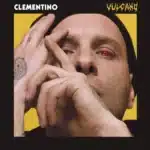
Released on 24 March 2017 through Universal Music, Vulcano is Clementino’s fifth solo studio album. Across thirteen tracks, he performs without any featured vocalists, a deliberate change after the extensive collaborations on Miracolo!. He wanted to place his own voice at the centre of the record and make songs he could perform in full when touring alone.
The title refers both to Vesuvius and to Clementino’s own creative energy. He described the album as a chance to reconnect with the spirit of his debut while experimenting with sounds he enjoyed. Its production combines Neapolitan influences with references to 1990s hip-hop and the American West Coast, alongside more contemporary touches.
“Ragazzi fuori” was Clementino’s entry in the 2017 Sanremo Music Festival. Written with Marracash and produced by Shablo and Zef, it brings a more melodic approach to the album. Clementino performs the song alone: Marracash’s contribution is as a writer, not a featured vocalist.
Elsewhere, Clementino moves between contrasting moods. He described “Uè ammo” and “Tutti scienziati” as lighter songs, while “Stamm ccà” and “Cenere” show a more introspective side. The video for “Tutti scienziati” pays tribute to the film Non ci resta che piangere, reflecting the humour and interest in performance that run through his work.
“A capa sotto” gives him room for competitive rap and punchlines without directing its challenge at one particular artist. “Spartanapoli” adopts a harder tone, while the closing “Paolo Sorrentino” pays tribute to the filmmaker through references to his work. Other tracks include “Joint”, produced by Yung Snapp, and “La cosa più bella che ho”. Shablo, TY1, Deleterio, Swan and David Ice are among the producers who contribute to the record.
By carrying every vocal performance himself, Clementino gives Vulcano a different character from his guest-filled previous album. Its thirteen tracks put his humour, Neapolitan identity and more reflective writing in the same setting, presenting the range of an artist who wanted to test what he could do with his own voice at the centre.
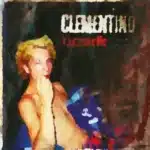
Released on 3 May 2019 through Polydor and Universal Music, Tarantelle is Clementino’s sixth solo studio album. Its fourteen tracks bring together energetic rap, melodic songs and some of his most direct personal writing. The cover shows Clementino as a teenager, looking back to the period when he first dreamed of becoming a rapper.
The title carries more than one meaning. In Neapolitan usage, “tarantelle” can refer to troubles or complicated situations. Clementino also connected it to the traditional story of dancing to expel the effects of a tarantula’s bite: for him, writing the album became a way of expressing difficulties he had lived through.
The opening tracks establish the record’s contrasts. “Gandhi” is a short, energetic rap performance, while “Un palmo dal cielo” takes a more introspective direction. Clementino explained that the latter grew from dreams he wrote down during a period in a recovery community. “La mia follia” also addresses the consequences of cocaine use, describing a young person in danger of dying from an overdose.
After making Vulcano without featured vocalists, Clementino brings several guests into Tarantelle. Gemitaiz joins him on “Alleluia”, and Nayt appears on “Hola!”. “Babylon” features Caparezza, while “Chi vuole essere milionario?” reunites Clementino with his Rapstar partner Fabri Fibra.
“Tarantelle (Che ne sarà di me)” looks back towards Clementino’s younger self and the ambitions that brought him into music. “Mare di notte” and “Versi di te” make room for relationships and melody, while the closing “Diario di bordo” follows events from his life in chronological order. Together, the songs move between memories, difficult experiences and the humour that remains part of his personality.
Clementino said he had recorded around seventy tracks before selecting the fourteen that made the album. The result captures a period of looking back and moving forward: a record rooted in rap but open to different sounds, where the confidence of an experienced performer sits alongside a willingness to speak about vulnerability.
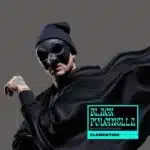
Released on 29 April 2022 through Epic Records Italy and Sony Music Italy, Black Pulcinella is Clementino’s seventh solo studio album. Recorded between Naples and California, its fifteen tracks bring him back to a strongly hip-hop-focused sound, drawing on the American West Coast and the rap music that inspired his early work.
The title combines two important influences. Clementino uses “Black” to refer to African American music and “Pulcinella” for the traditional Neapolitan mask. He has described Pulcinella as a character who makes people laugh while carrying sadness beneath the surface—a contrast he recognises in himself. The cover, created by Francesco Paura, represents that character while also paying tribute to the masked rapper MF DOOM.
“The Dark Side of Iena White” opens the album by referring to Clementino’s established alter ego. On “Univers”, he reflects on the distance between his dreams of success and the difficulties that followed fame. “ATM”, released ahead of the album, brings a more playful tone; its video sees Clementino impersonating figures from the Italian music scene.
Much of the guest list connects Clementino with artists from Naples and the surrounding area. Rocco Hunt joins him on “Emirates”, while Geolier appears on “Desaparecidos”. Enzo Dong features on “Revenge”, and “Eclissi” brings together J Lord and Speranza. These collaborations place Clementino alongside younger voices while keeping the album connected to his own Neapolitan roots.
“Amore lo-fi” features Madame and Nicola Siciliano, giving the record a more melodic moment. Mattak joins him on “Capate storte”, Nello Taver appears on “Crazy Shit”, and Nerone features on “MKCNF8”. “Non passa mai” brings together LA NIÑA and Ensi before the closing title track returns to the album’s central character.
Clementino worked with producers including LDO, 2nd Roof, Endly, Dat Boi Dee and Scoop DeVille. He wanted to bring the sound of the 1990s into conversation with contemporary production, rather than simply reproduce an earlier era. The result connects his freestyle background and love of American hip-hop with the language, humour and personalities of the scene around him.

Released on 25 July 2025 through Epic Records Italy and Sony Music Italy, GRANDE ANIMA is Clementino’s eighth solo studio album. Following the hip-hop focus of Black Pulcinella, it gives greater space to melody and personal songwriting. Across the original fifteen tracks, Clementino reflects on love, spirituality, travel and the search for a more balanced life.
The album grew from a period in which Clementino devoted time to reading, meditation and journeys abroad. Its cover reflects that experience: he is pictured reading among stacks of books, with a globe beside him. He described the project as an opportunity to tell his story in a more intimate way, placing less emphasis on the self-celebration often associated with rap.
“RISVEGLIO” opens the record in a spoken, reflective style. “SORRIDI E VUOI FUMARE” was released ahead of the album, while “BATTE IL CUORE” combines a melodic arrangement with images of home and memory. On “COSTA RICA”, Clementino draws on a journey that became part of the wider personal exploration behind the project.
The collaborations bring together voices from different areas of Italian music. Settembre appears on “DOLCE COME IL MIELE”, Gigi D’Alessio joins Clementino on “IL CODICE DELL’ANIMA”, and Negrita feature on “PIANETI”. “PARLO ’E TE (Luna Rossa)” features STE, while Greg Rega, Calmo and Ugo Crepa appear on “CHE FAI STASERA”.
Neapolitan language and musical traditions remain central to the record, including on “NUIE PE’ SEMP’” and “INT ’E PAROLE”. Clementino described the latter as a romantic ballad and spoke of his interest in a songwriting style close to Neapolitan musical tradition. Producers and collaborators across the album include LDO, Endly, Cocobeatz, Francesco Varchetta and CanovA.
“GIORNI NOSTRI” was written before the pandemic and had already been performed live before its inclusion here. Clementino added a closing passage that brings together the album’s themes of spirituality, love and returning home. The original release also includes “GUARDANDO LA LUNA (NAPOLI RMX)” as a bonus track. GRANDE ANIMA presents a quieter, more melodic side of an artist whose career began in freestyle battles, while keeping his connection to Naples and his own story in view.
Clementino
Artist: Clementino
Real Name: Clemente Maccaro
Born: 21 December 1982, Avellino, Campania
Roots: Cimitile, Naples
Active since: 1996
Style: Italian and Neapolitan rap, freestyle
Debut album: Napolimanicomio (2006) ↗
Biography
Clementino, born Clemente Maccaro on 21 December 1982 in Avellino, is a rapper known for his freestyle ability, expressive delivery and use of both Italian and Neapolitan. Raised in Cimitile, near Nola, he developed his craft in the local hip-hop scene before establishing himself as one of the most recognisable voices in Italian rap.
He began performing as a teenager, joining the Trema Crew and later TCK. Freestyle battles played a central role in his early development: he won Tecniche Perfette in 2004, Da Bomb in 2005 and both Valvarap and 2theBeat in 2006. At the 2006 2theBeat final, he faced Ensi, who had defeated him in the previous year’s final.
His first solo album, Napolimanicomio, appeared in 2006. Rapping in Italian and Neapolitan, he introduced the combination of technical skill, local identity and humour that would remain important to his music. The album was followed by extensive live performances, helping him build an audience beyond Campania. He also joined Francesco Paura and DJ Tayone in the group Videomind, which released Afterparty in 2010.
Clementino returned as a solo artist with I.E.N.A. in 2011. Its title stands for “Io e nessun altro” and is connected to his alter ego Iena White, a name that reflects the energy and theatricality of his performances. The record brought together Neapolitan influences and collaborations with Italian and international rappers, giving further visibility to an artist already respected for his improvisation.
In 2012, Clementino and Fabri Fibra formed the duo Rapstar and released Non è gratis. The following year, Clementino also released the collaborative mixtape Armageddon with Dope One and O’ Luwong. These projects appeared alongside a turning point in his solo career: Mea Culpa (2013), his first solo album released through a major label.
The single “’O vient” helped introduce Clementino to a wider audience, while Mea Culpa brought together a broad cast of collaborators. His next album, Miracolo! (2015), continued to balance rap with more melodic material. Its collaborations included artists from across the Italian scene, and the record showed how far his reach had grown since his early battle days.
His audience expanded further through television and the Sanremo Music Festival. Having appeared as a guest in 2013, he competed with “Quando sono lontano” in 2016 and returned with “Ragazzi fuori” in 2017. The latter appeared on Vulcano (2017), an album that combined personal songs with the forceful delivery and Neapolitan character familiar from his earlier work.
On Tarantelle (2019), Clementino brought together a range of collaborators, including Gemitaiz, Caparezza and Fabri Fibra. He followed it with Black Pulcinella (2022), a record that returned prominently to hip-hop and drew on the Neapolitan mask of Pulcinella for its title and imagery. Among its guests were Rocco Hunt, Geolier and Madame.
Alongside music, Clementino has developed a presence as a television personality and performer, including as a coach on The Voice Senior and The Voice Kids. His eighth solo studio album, GRANDE ANIMA, arrived in 2025 and presented a more melodic and personal side of his work. Across his career, the freestyle skills that first brought him attention have remained a foundation for an artist able to move between underground rap, popular music and entertainment.
Albums
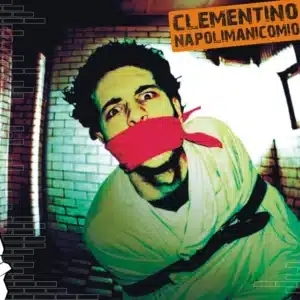
Released on 29 April 2006 through Lynx Records, Napolimanicomio is Clementino’s debut solo album. Arriving after he had made his name in freestyle competitions, the 20-track record introduces a rapper whose technical skill is matched by a lively sense of humour and a strong connection to the Neapolitan scene. He moves between Italian and Neapolitan throughout, giving his rhymes a distinctive rhythm and character.
The album brings together a wide circle of guests and producers. Kiave appears on “Funk allucinazioni”, Francesco Paura joins Clementino on “Mutagenics”, and Patto MC contributes to “In mezzo ai mastini”. “Fantasy 3666” features members of OneMic alongside Malva, while “Linea diretta Mi.Na.” brings together voices from Milan and Naples. The collaborations place Clementino within a network extending beyond his home region, while keeping the record rooted in the scene that shaped him.
Several producers give the album a varied sound. Mastafive contributes beats for tracks including “L’età ré tass” and “In mezzo ai mastini”, while Blakesanders produces “Funk allucinazioni” and “Linea diretta Mi.Na.”. Emcee O’Zi handles “O’ cazone largo” and “Lettera al telefono”, among other tracks, and DJ Snatch provides scratches across the record. The changing beats and numerous guests give the album the feel of a collection built around Clementino’s energetic performances.
“O’ cazone largo” draws on the imagery and language of hip-hop culture with humour, while “Lettera al telefono” and “La legge dei più” show other sides of his writing. The sequence ends with a remix of “L’età ré tass” and “Outro (Cibo per il cervello)”. After the album’s release, Clementino toured extensively across Italy. Napolimanicomio remains a substantial introduction to his early style: inventive, theatrical and closely connected to the people and language around him.
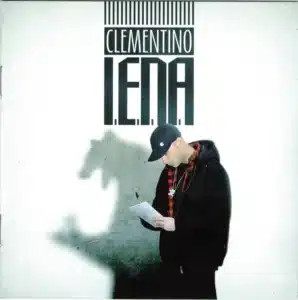
Released on 19 December 2011 through Relief Records EU, I.E.N.A. is Clementino’s second solo studio album. Its title stands for “Io e nessun altro” and also refers to Iena White, his alter ego. Written over approximately two years, the record brings together personal experiences, friendships and musical ideas from a period in which his career was developing beyond the freestyle competitions that first established his name.
The opening “Rovine”, featuring Mama Marjas, introduces an album that makes room for melody as well as rapid changes in flow and delivery. “La mia musica”, originally released ahead of the album, expresses Clementino’s connection to music and features TheRivati. Elsewhere, “Toxico” and “Risata di una I.E.N.A.” show the mischievous side of his persona, while “Finale di fuoco” closes the record on a more reflective note.
The guest appearances connect Clementino with both Italian and American hip-hop. R.A. The Rugged Man joins him on “Animals”, ILL BILL appears on “Hannibal rapper”, and Dope One contributes to “La vita del palo”. Francesco Paura, Clementino’s partner in Videomind, features on “Se ne cade”. These collaborations give the album a range of voices while leaving Clementino’s own personality at its centre.
“Butterfly Effect” provides one of the record’s more serious moments. Clementino explained that the song reflects his concern about young people encountering powerful drugs and the uncertainty surrounding their long-term effects. Its subject contrasts with the more playful “Toxico”, illustrating the different perspectives he brought to the album.
The production also draws on a broad group of collaborators, including Bioshi Kun, Shablo, Night Skinny, Deleterio, DJ Tayone and DJ Skizo. The original twelve-track release includes a remix of “La mia musica”, adding another version of the song alongside the main sequence. Moving between funk influences, direct rap performances and more melodic passages, I.E.N.A. captures Clementino refining a style that could be technically demanding, theatrical and personal at the same time.
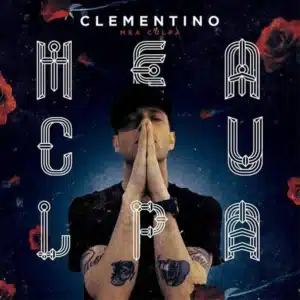
Released on 28 May 2013 through Tempi Duri Records and Universal Music, Mea Culpa is Clementino’s third solo studio album and his first solo release on a major label. Following I.E.N.A. and his Rapstar project with Fabri Fibra, it brought his mixture of Italian and Neapolitan rap to a wider audience while retaining the energy and character of his earlier work.
The album was preceded by “’O vient”, a song closely associated with Clementino’s connection to Naples. Produced by Shablo, it became one of his best-known tracks and helped introduce him to listeners beyond the rap scene. The opening “Amsterdam”, produced by Fritz da Cat, presents a different setting, while “Aquila reale” and “Pianoforte a vela” give further space to Clementino’s imaginative writing and expressive delivery.
Fabri Fibra joins him on “Questa volta”, continuing the partnership that had produced Non è gratis the previous year. “Dalle palazzine”, produced by Don Joe, brings together Marracash, Noyz Narcos, Ntò and Paura. On “Giungla”, Clementino teams up with Rocco Hunt, connecting two voices associated with Campania.
The guest list extends beyond rap. Meg joins Clementino on the title track, which takes the perspective of a Camorra member speaking before a judge. Jovanotti appears on “Fratello”, Negrita contribute to “Buenos Aires/Napoli”, and Gigi Finizio and Ntò feature on “Sei come sei”. These collaborations bring contrasting voices to a record that moves between social observation, personal relationships and more direct rap performances.
Shablo plays a major role in the production, alongside contributors including Fritz da Cat, Big Joe, Don Joe and Mace. The original release also includes the bonus track “Messaggeri del Vesuvio”, bringing together Napoli Rap All Stars. A Gold Edition followed in 2014 with additional material; that is the version used in the Spotify embed.

Released on 28 April 2015 through Universal Music, Miracolo! is Clementino’s fourth solo studio album. Following the wider recognition brought by Mea Culpa, it presents a performer moving between forceful rap, personal storytelling and melodic songs. The album debuted at number one in Italy, marking a new commercial peak in his career.
The opening “Lo strano caso di Iena White” brings Clementino’s alter ego to the foreground with the battle-ready rhymes and theatrical delivery associated with his freestyle background. “Strade Superstar” takes a more autobiographical approach, reflecting on his journey through music, while “Luna” reveals a melodic side. The latter samples Tony Esposito’s “Kalimba de Luna” and was released as a single ahead of the album.
“Da che parte stai?” features Pino Daniele in one of the Neapolitan singer-songwriter’s final recordings. The song addresses peace and connects Clementino with an artist whose music had a lasting influence on Naples. Another important figure in the city’s music, saxophonist James Senese, appears on “Selvaggi”. Elsewhere, “Oracolo del Sud” brings together Mama Marjas and Boomdabash, while TheRivati join Clementino on “Solo un giorno nel quartiere”.
The standard edition contains fourteen tracks. A two-disc edition adds Miracolo! Jam, another fourteen tracks built around collaborations with rappers from across the Italian scene. “Boom” features Guè and Fabri Fibra, while Marracash and Noyz Narcos join him on “Dal centro all’hinterland”.
Other guests on the second disc include Salmo on “Top Player”, Rocco Hunt on “Woodstock”, and Gemitaiz and MadMan on “Electro Cage”. “Spiriti & Show” features Coez and Luchè. The Spotify embed contains the full 28-track edition.
In 2016, Clementino revisited the project with Miracolo! (Ultimo Round), a reissue that included “Quando sono lontano”, his entry in that year’s Sanremo Music Festival. Across its different editions, Miracolo! captures an artist at ease moving between the rap community that shaped him and a broader musical audience.
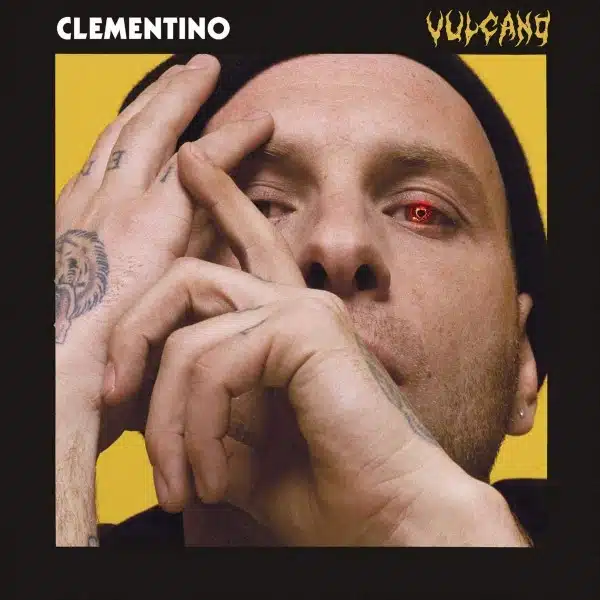
Released on 24 March 2017 through Universal Music, Vulcano is Clementino’s fifth solo studio album. Across thirteen tracks, he performs without any featured vocalists, a deliberate change after the extensive collaborations on Miracolo!. He wanted to place his own voice at the centre of the record and make songs he could perform in full when touring alone.
The title refers both to Vesuvius and to Clementino’s own creative energy. He described the album as a chance to reconnect with the spirit of his debut while experimenting with sounds he enjoyed. Its production combines Neapolitan influences with references to 1990s hip-hop and the American West Coast, alongside more contemporary touches.
“Ragazzi fuori” was Clementino’s entry in the 2017 Sanremo Music Festival. Written with Marracash and produced by Shablo and Zef, it brings a more melodic approach to the album. Clementino performs the song alone: Marracash’s contribution is as a writer, not a featured vocalist.
Elsewhere, Clementino moves between contrasting moods. He described “Uè ammo” and “Tutti scienziati” as lighter songs, while “Stamm ccà” and “Cenere” show a more introspective side. The video for “Tutti scienziati” pays tribute to the film Non ci resta che piangere, reflecting the humour and interest in performance that run through his work.
“A capa sotto” gives him room for competitive rap and punchlines without directing its challenge at one particular artist. “Spartanapoli” adopts a harder tone, while the closing “Paolo Sorrentino” pays tribute to the filmmaker through references to his work. Other tracks include “Joint”, produced by Yung Snapp, and “La cosa più bella che ho”. Shablo, TY1, Deleterio, Swan and David Ice are among the producers who contribute to the record.
By carrying every vocal performance himself, Clementino gives Vulcano a different character from his guest-filled previous album. Its thirteen tracks put his humour, Neapolitan identity and more reflective writing in the same setting, presenting the range of an artist who wanted to test what he could do with his own voice at the centre.
Released on 3 May 2019 through Polydor and Universal Music, Tarantelle is Clementino’s sixth solo studio album. Its fourteen tracks bring together energetic rap, melodic songs and some of his most direct personal writing. The cover shows Clementino as a teenager, looking back to the period when he first dreamed of becoming a rapper.
The title carries more than one meaning. In Neapolitan usage, “tarantelle” can refer to troubles or complicated situations. Clementino also connected it to the traditional story of dancing to expel the effects of a tarantula’s bite: for him, writing the album became a way of expressing difficulties he had lived through.
The opening tracks establish the record’s contrasts. “Gandhi” is a short, energetic rap performance, while “Un palmo dal cielo” takes a more introspective direction. Clementino explained that the latter grew from dreams he wrote down during a period in a recovery community. “La mia follia” also addresses the consequences of cocaine use, describing a young person in danger of dying from an overdose.
After making Vulcano without featured vocalists, Clementino brings several guests into Tarantelle. Gemitaiz joins him on “Alleluia”, and Nayt appears on “Hola!”. “Babylon” features Caparezza, while “Chi vuole essere milionario?” reunites Clementino with his Rapstar partner Fabri Fibra.
“Tarantelle (Che ne sarà di me)” looks back towards Clementino’s younger self and the ambitions that brought him into music. “Mare di notte” and “Versi di te” make room for relationships and melody, while the closing “Diario di bordo” follows events from his life in chronological order. Together, the songs move between memories, difficult experiences and the humour that remains part of his personality.
Clementino said he had recorded around seventy tracks before selecting the fourteen that made the album. The result captures a period of looking back and moving forward: a record rooted in rap but open to different sounds, where the confidence of an experienced performer sits alongside a willingness to speak about vulnerability.

Released on 29 April 2022 through Epic Records Italy and Sony Music Italy, Black Pulcinella is Clementino’s seventh solo studio album. Recorded between Naples and California, its fifteen tracks bring him back to a strongly hip-hop-focused sound, drawing on the American West Coast and the rap music that inspired his early work.
The title combines two important influences. Clementino uses “Black” to refer to African American music and “Pulcinella” for the traditional Neapolitan mask. He has described Pulcinella as a character who makes people laugh while carrying sadness beneath the surface—a contrast he recognises in himself. The cover, created by Francesco Paura, represents that character while also paying tribute to the masked rapper MF DOOM.
“The Dark Side of Iena White” opens the album by referring to Clementino’s established alter ego. On “Univers”, he reflects on the distance between his dreams of success and the difficulties that followed fame. “ATM”, released ahead of the album, brings a more playful tone; its video sees Clementino impersonating figures from the Italian music scene.
Much of the guest list connects Clementino with artists from Naples and the surrounding area. Rocco Hunt joins him on “Emirates”, while Geolier appears on “Desaparecidos”. Enzo Dong features on “Revenge”, and “Eclissi” brings together J Lord and Speranza. These collaborations place Clementino alongside younger voices while keeping the album connected to his own Neapolitan roots.
“Amore lo-fi” features Madame and Nicola Siciliano, giving the record a more melodic moment. Mattak joins him on “Capate storte”, Nello Taver appears on “Crazy Shit”, and Nerone features on “MKCNF8”. “Non passa mai” brings together LA NIÑA and Ensi before the closing title track returns to the album’s central character.
Clementino worked with producers including LDO, 2nd Roof, Endly, Dat Boi Dee and Scoop DeVille. He wanted to bring the sound of the 1990s into conversation with contemporary production, rather than simply reproduce an earlier era. The result connects his freestyle background and love of American hip-hop with the language, humour and personalities of the scene around him.

Released on 25 July 2025 through Epic Records Italy and Sony Music Italy, GRANDE ANIMA is Clementino’s eighth solo studio album. Following the hip-hop focus of Black Pulcinella, it gives greater space to melody and personal songwriting. Across the original fifteen tracks, Clementino reflects on love, spirituality, travel and the search for a more balanced life.
The album grew from a period in which Clementino devoted time to reading, meditation and journeys abroad. Its cover reflects that experience: he is pictured reading among stacks of books, with a globe beside him. He described the project as an opportunity to tell his story in a more intimate way, placing less emphasis on the self-celebration often associated with rap.
“RISVEGLIO” opens the record in a spoken, reflective style. “SORRIDI E VUOI FUMARE” was released ahead of the album, while “BATTE IL CUORE” combines a melodic arrangement with images of home and memory. On “COSTA RICA”, Clementino draws on a journey that became part of the wider personal exploration behind the project.
The collaborations bring together voices from different areas of Italian music. Settembre appears on “DOLCE COME IL MIELE”, Gigi D’Alessio joins Clementino on “IL CODICE DELL’ANIMA”, and Negrita feature on “PIANETI”. “PARLO ’E TE (Luna Rossa)” features STE, while Greg Rega, Calmo and Ugo Crepa appear on “CHE FAI STASERA”.
Neapolitan language and musical traditions remain central to the record, including on “NUIE PE’ SEMP’” and “INT ’E PAROLE”. Clementino described the latter as a romantic ballad and spoke of his interest in a songwriting style close to Neapolitan musical tradition. Producers and collaborators across the album include LDO, Endly, Cocobeatz, Francesco Varchetta and CanovA.
“GIORNI NOSTRI” was written before the pandemic and had already been performed live before its inclusion here. Clementino added a closing passage that brings together the album’s themes of spirituality, love and returning home. The original release also includes “GUARDANDO LA LUNA (NAPOLI RMX)” as a bonus track. GRANDE ANIMA presents a quieter, more melodic side of an artist whose career began in freestyle battles, while keeping his connection to Naples and his own story in view.