


Gue

Artist: Guè (formerly Gué Pequeno)
Real name: Cosimo Fini
Group: Club Dogo
Born: 25 December 1980, Milan
Roots: Milan
Active since: 1997
Style: Italian hip-hop, gangsta rap and trap
Debut solo album: Il ragazzo d’oro (2011) ↗
Biography
Guè is one of the most influential figures in Italian rap, with a career that connects Milan’s underground hip-hop scene to the genre’s mainstream success. Born Cosimo Fini in Milan in 1980, he began rapping in the late 1990s and first emerged alongside Dargen D’Amico and Jake La Furia in Sacre Scuole. Those early experiences laid the foundations for a career built on distinctive delivery, sharp wordplay and a lasting connection to American hip-hop.
Following the end of Sacre Scuole, Guè and Jake La Furia joined producer Don Joe to form Club Dogo. The trio became central to the growth of Italian rap, helping bring a harder, more direct sound to a wider audience. Their music combined accounts of city life with ambition, provocation and dark humour, establishing Guè as a recognisable voice long before his solo career took centre stage.
Known for much of his career as Gué Pequeno, he developed his individual identity through collaborations and the Fastlife mixtapes with DJ Harsh. His official solo album debut followed in 2011, while he continued recording with Club Dogo. That same year, he and DJ Harsh founded Tanta Roba, an independent label that helped launch and develop artists including Salmo, Gemitaiz and MadMan. His contribution to Italian hip-hop therefore extends beyond his own recordings to supporting a new generation of performers.
Guè’s style combines a deep, instantly recognisable voice with intricate rhymes, cultural references and a taste for cinematic storytelling. Luxury, nightlife and street life recur in his lyrics, but so do disappointment, complicated relationships and personal vulnerability. He moves comfortably between uncompromising rap and more melodic songs, drawing on soul, funk, R&B and contemporary trap without losing the character of his delivery.
Collaboration has remained an essential part of his career. His longstanding partnership with Marracash is particularly significant, while recordings with artists such as Rick Ross, Akon, Jadakiss and Benny the Butcher reflect his connection to the international rap scene. Equally, his frequent work with younger Italian artists has kept him involved in the genre’s changing sound.
In 2021, he shortened his stage name to Guè. Alongside his solo work, he also returned with Jake La Furia and Don Joe for Club Dogo’s reunion and their 2024 comeback. Across group recordings, solo projects and mixtapes, his career has made him a reference point for successive generations of Italian rappers, balancing broad popularity with a continuing commitment to hip-hop.
Albums

Released in 2011, Il ragazzo d’oro is Guè’s debut solo studio album and an important step in his development beyond Club Dogo. Already an established voice in Italian hip-hop, he used the project to explore how his personality and writing could carry a full record under his own name. It arrived while he was still active with the group, so it feels like an expansion of his musical world, with familiar collaborators appearing alongside a wider range of sounds.
The album combines forceful rap with melodic hooks, drawing on American hip-hop and R&B while retaining the direct delivery associated with Guè’s early work. Its variety allows him to move between swagger, nightlife and sexual bravado, then turn towards uncertainty, relationships and the pressures of growing older. Those shifts introduce the contrast between public confidence and private vulnerability that would become an increasingly important part of his solo music.
Non lo spegnere, featuring Entics, brings an accessible, immediately memorable chorus, while Ultimi giorni offers a more reflective side of his writing. The title track, with Caneda, places his ambition and identity at the centre of the record. Elsewhere, La G La U La E emphasises his commanding presence, and Il blues del perdente (6 gradi di separazione) adds another change of mood. Together, these tracks show an artist testing different approaches without abandoning his foundations in rap.
Collaboration is a defining feature of the album. Guests include Caneda, Entics, Baby K, Emis Killa and several figures from the wider Dogo circle. On Big!, Marracash, Jake La Furia, Ensi, Ntò and Nex Cassel join Guè and Entics for a posse cut that captures the collective energy of the scene. The extensive guest list gives the record a communal character, even as its central purpose is to establish Guè’s individual voice.
Rather than presenting a fully settled formula, Il ragazzo d’oro captures the beginning of a solo career taking shape. Its mixture of harder tracks, melodic songs and personal reflections points towards the versatility he would develop on later releases. For listeners exploring his catalogue, it provides the starting point for understanding how a prominent member of Club Dogo began building a separate identity as one of Italian rap’s leading solo artists.
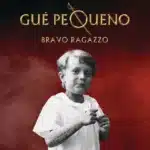
Released on 4 June 2013, Bravo ragazzo is Guè’s second solo studio album and a major step forward in establishing his identity beyond Club Dogo. Following the varied approach of Il ragazzo d’oro, this record presents a more focused balance between technical rap, memorable choruses and personal songwriting. Guè sounds increasingly comfortable at the centre of his own project, bringing together the confidence of an experienced rapper and the ambition of an artist reaching a broader audience.
The album explores success, money, nightlife and relationships, often revealing the tensions beneath an outwardly assured persona. Boasting and provocation sit alongside moments of disappointment and emotional uncertainty, giving the record more depth than its luxurious imagery might initially suggest. His distinctive voice and conversational delivery hold these different moods together, whether he is exchanging verses with another rapper or allowing a melodic refrain to shape a song.
Business opens the album with a direct statement of intent, while the title track reinforces his swagger and sharp sense of character. Rose nere brings a more melodic and emotionally charged atmosphere, showing how effectively he could build a song around a strong chorus without sacrificing his identity. Il drink & la jolla, featuring Ntò, draws on nightlife and escapism, adding another shade to a record that moves between public display and more private concerns.
Among its standout collaborations, Brivido with Marracash captures the chemistry between two artists whose voices and writing complement each other. Indelebile (inchiostro), featuring Fedez, and Tornare indietro, with singer Arlissa, further develop the album’s melodic side. Elsewhere, Fabri Fibra appears on In orbita, Emis Killa joins Sul tetto del mondo, and Jake La Furia features on Easy Boy. These guests connect the album to different parts of Italian rap while leaving Guè firmly at its centre.
The production gives the project a polished, contemporary sound, with forceful rhythms balanced by smoother passages and hooks influenced by R&B. That combination makes the album accessible while preserving the lyrical detail and attitude that established his reputation. Its songs work individually, but together they offer a fuller portrait of an artist negotiating ambition, pleasure and the complications that accompany both.
Bravo ragazzo helped consolidate Guè’s position as a major solo performer at a time when Italian rap was gaining an increasingly prominent place in mainstream music. It remains a significant release in his catalogue because it brings several defining strengths into clearer focus: confident delivery, effective collaborations and the ability to combine hard-edged verses with songs that reach beyond a traditional hip-hop audience.

Released on 23 June 2015, Vero is Guè’s third solo studio album and marks an important stage in his development as an individual artist. Arriving after Club Dogo’s 2014 album Non siamo più quelli di Mi Fist, it finds him building on the success of Bravo ragazzo with a more assertive sound and a stronger international outlook. Released through Universal Music and Def Jam Recordings, the project connected his established place in Italian rap with a label closely associated with the history of American hip-hop.
The album brings questions of identity and credibility into a world shaped by ambition, money, desire and mistrust. Guè’s writing moves between the pleasures of success and the difficulties that accompany it, allowing moments of vulnerability to interrupt his confident public persona. His delivery remains controlled and immediately recognisable, with tightly constructed verses, pointed observations and the dark humour that had already become a central part of his style.
Squalo is one of the record’s defining tracks, presenting Guè at his most forceful and competitive. Its heavy production and commanding delivery give the album a clear statement of intent. Le bimbe piangono explores a more melodic approach, while Interstellar, featuring Akon, opens the project towards an international audience. Akon’s contribution gives the song a distinctive melodic character and reflects Guè’s interest in bringing contemporary American sounds into his music.
Elsewhere, Equilibrio and Eravamo re provide space for a more reflective mood, adding emotional weight to the record. These songs help broaden its portrait of success, relationships and personal uncertainty. Alongside the harder material, they show how Guè could make introspection part of his musical identity without losing the directness of his rapping. The movement between aggression, melody and reflection gives the album much of its character.
The collaborations extend beyond familiar Italian rap partnerships. French rapper Joke appears on Tu non sai, while contributions from Maruego and Crookers add further variety. Production from 2nd Roof also plays an important role in shaping the record’s sound. Across the album, dense rhythms and contemporary electronic textures support Guè’s voice, with enough changes in pace and atmosphere to accommodate both confrontational verses and more accessible hooks.
Vero captures Guè becoming increasingly assured about the scope of his solo work. Its appeal lies in the way it combines technical rap, memorable songs and a willingness to expose the unease beneath the boasting. Tracks such as Squalo, Interstellar, Equilibrio and Eravamo re remain central to the album’s identity, making it a significant chapter in the development of his catalogue and his position within Italian hip-hop.
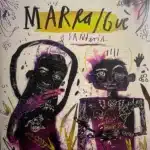
Released on 24 June 2016, Santeria is a joint studio album by Guè and Marracash, bringing their longstanding partnership into a complete project shared equally between them. Following Vero, it gave Guè the opportunity to build an entire record alongside one of his closest collaborators. The original edition contains fifteen tracks, combining the experience of two established solo artists with the familiarity developed through years of friendship and work within the wider Dogo circle.
For Guè, the album provides a setting in which his distinctive voice, precise delivery and instinct for memorable phrases interact constantly with another strong personality. Marracash brings his own intricate writing and forceful presence, while Guè contributes a mixture of swagger, dry humour and melodic confidence. Their differences give the songs variety, but their shared musical background keeps the partnership cohesive. Rather than simply taking turns, they create a dialogue that gives the record its identity.
The writing moves through money, status, relationships and the contradictions of success. Luxury and excess appear alongside distrust, frustration and emotional distance, with both rappers questioning the world they also participate in. Guè’s ability to sound assured while introducing more uncomfortable thoughts fits naturally into this approach. The album allows his familiar themes to develop through exchanges with Marracash, making the collaboration an extension of his solo writing.
Insta Lova is one of the clearest examples of their ability to combine accessible songwriting with a recognisable rap identity. Its melodic appeal contrasts with the harder energy of Scooteroni, while Salvador Dalì highlights the pair’s flair for vivid imagery and memorable delivery. Nulla accade adds a more reflective atmosphere, and Senza Dio brings a darker edge. These changes of mood help the album sustain its momentum without relying on a single musical formula.
The production accommodates both rappers through a mixture of heavy rhythms, atmospheric passages and melodic elements. Some tracks foreground the verses and the interplay between their voices; others give more space to choruses and mood. Guè moves comfortably across these settings, maintaining the directness of his performance while adapting his phrasing to the character of each song. The result connects the album to contemporary sounds while retaining the emphasis on writing and delivery that underpins both artists’ reputations.
Santeria occupies a distinct place in Guè’s catalogue because its strength comes from a sustained partnership rather than a collection of guest appearances. It captures two major voices in Italian rap working with mutual confidence, each giving the other room without losing his own character. For Guè, it stands alongside his solo releases as an important demonstration of his versatility and of the creative value of his enduring connection with Marracash.

Released on 30 June 2017 through Universal Music Italia and Def Jam Recordings, Gentleman is Guè’s fourth solo studio album. Following the shared project Santeria with Marracash, it returns the focus to his individual personality, with a sound that embraces melody, contemporary rap and Caribbean influences. Originally issued in different editions, the album presents several sides of an artist increasingly comfortable moving between demanding rap performances and songs designed around immediately memorable hooks.
The record’s identity centres on the tension between elegance and excess. Its polished image accompanies lyrics about luxury, nightlife, attraction and status, but Guè also makes room for disappointment and emotional uncertainty. His humour and self-assurance remain prominent, while the more melodic material allows him to express those themes through different kinds of performance. The result is an album in which his voice carries as much of the character as the intricate wording of his verses.
Milionario, featuring Cuban artist El Micha, is a clear example of the album’s outward-looking approach. Its Caribbean flavour gives it a buoyant, summery atmosphere, bringing another musical influence into Guè’s established world. Guersace follows a similarly infectious direction, combining an accessible rhythm with the fashion-conscious persona that runs through the project. Both songs demonstrate how naturally he could adapt his delivery to lighter, dance-oriented production while maintaining his recognisable presence.
Lamborghini, featuring Sfera Ebbasta, connects Guè with one of the leading voices of the emerging Italian trap generation. Their contrasting deliveries give the track much of its appeal, bringing an experienced rapper and a younger star together around the album’s themes of ambition and material success. Marracash also appears on Scarafaggio, preserving the longstanding partnership that had taken centre stage on Santeria. These collaborations place Guè within a changing scene while retaining his links to the artists who helped shape his career.
The album’s range also comes through in Non ci sei tu, which gives greater prominence to singing and emotional directness. Its relationship-centred writing offers a different perspective from the boasting elsewhere on the record. Trinità, included in the Red Version and digital edition, provides a more forceful counterpoint, foregrounding his rap delivery. These shifts make Gentleman a varied project, with softer passages and harder performances contributing to its broader portrait of Guè.
Within his catalogue, Gentleman captures a period of expanding musical reach. The Caribbean rhythms, melodic experimentation and collaborations with different generations of performers give it a distinct character after Vero and Santeria. It shows Guè developing songs for a widening audience while keeping his personality at their centre: confident, provocative and capable of letting moments of vulnerability emerge beneath the polished surface.
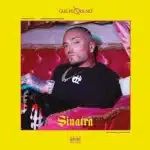
Released on 14 September 2018 through Island Records and Universal Music Italia, Sinatra is Guè’s fifth solo studio album. Following the melodic and Caribbean influences of Gentleman, it continues his exploration of contemporary rap, combining trap rhythms, polished hooks and a broad selection of collaborators. The title evokes the charisma and assured presence of Frank Sinatra, while the music places Guè firmly within the sounds and personalities of Italian hip-hop in 2018.
The album’s original twelve tracks form a compact project, with short, direct performances and frequent changes of atmosphere. Guè moves between luxury, nightlife, attraction and the complications of relationships, using his familiar mixture of confidence and dry humour. His voice remains the connecting thread: deep and conversational, capable of giving a boast an effortless swagger or bringing a more weary tone to the reflective material. The songs favour momentum, allowing different moods to emerge without lengthy introductions.
Trap Phone, featuring Capo Plaza, connects Guè’s established delivery with the energy of a younger generation of Italian trap artists. Borsello, with Sfera Ebbasta and DrefGold, develops that connection through an immediately recognisable hook and the contrasting personalities of its three performers. These collaborations are central to the album’s character, showing Guè working comfortably within the changing scene while retaining the phrasing and presence that distinguish him.
The record also makes considerable room for melody. 2%, featuring Frah Quintale, brings a relaxed atmosphere and a different vocal texture, while Sobrio, with Elodie, places the focus on attraction and emotional tension. Bling Bling (Oro) offers another accessible entry point, combining its memorable refrain with the album’s recurring imagery of wealth and display. Together, these tracks broaden the sound beyond straightforward rap exchanges and give the project some of its strongest contrasts.
The harder material preserves the record’s connection to Guè’s rap foundations. Bastardi senza gloria, featuring Noyz Narcos, brings a more confrontational edge, while Modalità aereo reunites him with Luchè and Marracash for a collaboration built around three distinctive voices. Bam Bam, with Cosculluela and El Micha, extends the Latin influence explored on Gentleman. Across these tracks, the guest list creates variety through differences in language, delivery and musical background.
Sinatra captures Guè balancing his established identity with an increasingly varied approach to songwriting. Its concise structure and combination of trap, melodic rap and Latin influences make it a distinct chapter in his catalogue. Rather than relying on one mood, it moves between bravado, lightness and emotional unease, with Guè’s personality holding the different elements together. It also demonstrates the importance of collaboration to his music, bringing familiar partners and newer voices into a project shaped around his own presence.

Released on 26 June 2020 through Island Records, Mr. Fini is Guè’s sixth solo studio album. Its title draws on his surname, placing the person behind the stage name at the centre of a project he described as his own cinematic blockbuster. Across seventeen tracks, the album brings together forceful rap, melodic songwriting and an extensive cast of collaborators, creating a broad portrait of his musical interests and the contradictions within his public persona.
The record moves between displays of confidence and passages shaped by uncertainty, memory and emotional strain. Money, status and nightlife remain part of Guè’s world, but they share space with troubled relationships and more personal reflection. His distinctive delivery connects these different perspectives: commanding on the harder tracks, more restrained when the writing turns inward. The cinematic framing gives the album a useful sense of scale, with each song introducing another setting, mood or encounter.
Saigon is one of the clearest statements of Guè’s individual presence, foregrounding his voice and imagery without a guest performer. Chico, featuring Rose Villain and Luchè, offers a more melodic contrast, bringing three recognisable voices into a song with an immediately memorable chorus. 25 ore develops the album’s relationship-centred writing, adding another change of pace. Together, these tracks demonstrate the balance between direct rap performances and accessible songs that runs throughout the project.
The collaborations connect Guè with both longstanding partners and younger artists. Sfera Ebbasta appears on Immortale, while Tardissimo brings together Mahmood and Marracash, combining melodic expression with the chemistry of Guè’s familiar rap partnership. Lazza joins him on Medellin, and Geolier features on Cyborg. These encounters give the record different vocal textures and approaches, allowing Guè to adapt to each setting while remaining its central personality.
Other guests expand the album’s musical range further. Carl Brave contributes to Parte di me, Alborosie brings a reggae connection to Dem Fake, and Noizy appears on No Security. Young Rame features on Giacomo, while Paky joins the harder-edged Ti levo le collane. Production duties are similarly varied, with contributions from 2nd Roof, Sixpm, Shablo, Takagi & Ketra, Low Kidd and The Night Skinny. That combination supports the album’s movement between heavy rhythms, smoother melodies and darker atmospheres.
Mr. Fini closes with Stanza 106 and Ti ricordi?, giving its final stretch a more reflective character after the succession of contrasting performances. Within Guè’s catalogue, the album stands out for the breadth of its cast and the room it gives to different sides of his writing. It gathers familiar strengths—precise delivery, strong collaborations and memorable hooks—into a substantial project that also allows vulnerability and self-examination to become prominent parts of the picture.

Released on 10 December 2021 through Island Records and Universal Music Italia, GVESVS is Guè’s seventh solo studio album. Following Mr. Fini, its 16 tracks bring together several sides of his music: sharp, competitive rapping, international collaborations, melodic songs and more reflective writing. The cover’s religious imagery gives the project a deliberately provocative visual identity, while the music explores the tension between his commanding public persona and the uncertainty that can sit beneath it.
Sixpm produces much of the album, with additional contributions from DJ Shocca, Shablo, The Night Skinny, 2nd Roof, Marz, Zef and Marco Polo. This combination allows the sound to move between traditional hip-hop foundations and contemporary production without losing its connection to Guè’s delivery. The opening La G La U La E pt.2 establishes that connection immediately, placing his voice and lyrical presence at the centre of the record. Across the album, changes in atmosphere give him room to move from punchlines and boasts to more intimate observations.
The international guests underline Guè’s longstanding relationship with American rap and his interest in sounds beyond Italy. Rick Ross joins him on Gangster of Love, while Jadakiss appears on Nicolas Cage, bringing two distinctive voices into his musical world. Sponsor, featuring British rapper Dutchavelli, adds another dimension to that exchange. These collaborations sit alongside Blitz!, with Geolier, and Daytona, with Marracash, connecting his international ambitions with the Italian scene and one of his most enduring creative partnerships.
The album’s more melodic moments explore relationships, dissatisfaction and emotional dependence. Veleno, produced by Sixpm, describes an attraction that becomes intoxicating and difficult to escape. Piango sulla Lambo, featuring Rose Villain, places emotional distress alongside the imagery of wealth and luxury, bringing a familiar contradiction in Guè’s writing into focus. Nessuno, with Coez, and Futura ex, featuring Ernia, further broaden this side of the project, giving its harder rap passages a counterweight through songs built around personal connections.
Senza sogni, featuring Elisa, offers one of the record’s most distinctive changes of atmosphere, introducing a dreamlike, melancholic mood. Lunedì blu, with Salmo, and Fredda, triste, pericolosa, featuring Franco126, add further shades to the album’s emotional range. Rather than relying on one type of collaboration, GVESVS brings together artists whose different approaches allow Guè to reveal different aspects of his own voice.
Closing with Too Old to Die Young, made with Shablo, GVESVS draws its varied sounds back towards the artist at its centre. Its appeal comes from the balance between technical confidence and emotional unease: Guè can celebrate status and success while questioning what they actually provide. The result is a substantial chapter in his catalogue, combining the competitive energy of his rap roots with the melodic instincts and wider musical curiosity developed throughout his solo career.

Released on 13 January 2023 through Island Records and Universal Music Italia, Madreperla is Guè’s eighth solo studio album. Its 12 tracks centre on a close creative partnership with Bassi Maestro, who produces the entire project, with Shablo contributing co-production to Chiudi gli occhi. Following the broader range of sounds and producers on GVESVS, this approach gives the album a strong musical identity, drawing on classic hip-hop while leaving room for melodic hooks, contemporary guests and Guè’s distinctive humour.
Bassi Maestro’s production provides the foundation for that identity. The beats draw on boom bap, funk and soul, creating a sound that suits Guè’s conversational flow and precise delivery. There is a sense of shared musical history throughout the record: two experienced figures in Italian hip-hop working with an understanding of what makes a verse, a sample or a groove effective. The result feels assured and cohesive, with enough variation to accommodate both direct rap performances and songs with a wider melodic appeal.
Prefissi opens the album by placing Guè’s voice and personality firmly at its centre. Tuta Maphia, featuring Paky, brings a younger rapper into that setting, while Cookies n’ Cream, with Anna and Sfera Ebbasta, connects the project’s classic foundations with two prominent voices from the contemporary scene. These collaborations show how comfortably Guè can work across generations. His presence remains recognisable, shaped by punchlines, references to luxury and street life, and a delivery that makes technically controlled verses sound effortless.
Other guests introduce different shades to the record. Massimo Pericolo appears on Need U 2Nite, while Marracash and Rkomi join Guè on Free. The combination of familiar collaborators and contrasting voices keeps the album moving without weakening its overall character. Da 1k in su, featuring Benny the Butcher, extends that connection to American hip-hop, bringing a rapper closely associated with modern street rap into a project whose production already reflects Guè’s longstanding attachment to the genre’s foundations.
The album also gives space to his melodic instincts. Mi hai capito o no? foregrounds his ability to shape a song around an immediately recognisable refrain, while Lontano dai guai, featuring Mahmood, adds another vocal texture. Mollami pt.2 revisits a thread from Vero, drawing on Ini Kamoze’s Here Comes the Hotstepper for a dancehall-influenced change of pace. The closing Capa tosta, featuring Napoleone, provides a further shift in atmosphere.
Madreperla stands out in Guè’s catalogue for the clarity of its partnership and the consistency of its sound. Bassi Maestro gives the songs a common foundation, allowing Guè to move between swagger, wit, relationships and reflection without making the album feel scattered. It presents an established rapper comfortable with his musical roots and able to bring those influences into conversation with the artists and sounds around him.

Released on 10 January 2025 through Island Records and Universal Music Italia, Tropico del Capricorno is Guè’s ninth solo studio album. Arriving two years after Madreperla, its 15 tracks bring together direct rap performances, melodic collaborations and more reflective passages. Where the previous album centred on his partnership with Bassi Maestro, this project opens up to a wider production team and a varied cast of guests, giving Guè room to explore several aspects of his musical personality.
Sixpm and Chef P provide much of the production, with contributions from Bassi Maestro, Big Fish, Harry Fraud and others. The sound accommodates contemporary rap alongside influences from Italian popular music, maintaining a balance between rhythmic drive and memorable melodies. Guè’s delivery gives the different approaches a common thread: relaxed and conversational in places, sharper and more forceful elsewhere, with the technical control and distinctive phrasing that have long characterised his records.
The opening Oh mamma mia, featuring Rose Villain, immediately establishes the album’s accessible side. Built around a sample from Pino Daniele’s Che soddisfazione, it connects a familiar Italian musical reference with the chemistry between two artists who have already worked together successfully. Meravigliosa, featuring Stadio, introduces another connection with Italian popular music, while Nei tuoi skinny, with Frah Quintale, brings a different melodic voice into the project. These songs broaden the album’s character without displacing Guè from its centre.
The rap collaborations connect him with several generations of the contemporary scene. Shiva appears on Da 0 a 100, Artie 5ive joins him on Akrapovič, and Ele A contributes to Gazelle. Movie, featuring Geolier, continues another established creative relationship, while Kalispera brings together Guè, Ghali and Tony Effe. Each pairing creates a different exchange of voices and styles, showing how readily Guè can adapt to his collaborators while retaining his own pace, humour and lyrical presence.
Nei DM, featuring Ernia and Tormento, makes that exchange between generations particularly visible, placing an influential figure from Italian hip-hop’s earlier years alongside one of its established contemporary names. Elsewhere, Non lo so, with chiello, adds a contrasting vocal texture, and Pain Is Love, produced by Harry Fraud, maintains Guè’s longstanding connection with American hip-hop. His solo tracks also have an important role: La G La U La E pt.3 continues a recurring thread in his catalogue, while Vibe, Le tipe and the closing Astronauta give him space away from the guest exchanges.
Tropico del Capricorno presents Guè as an artist whose experience allows him to move comfortably across different musical settings. The album combines the confidence of his rap performances with songs shaped by attraction, relationships and introspection. Its range comes from the way those elements coexist, making it a varied addition to his catalogue while keeping his voice and personality firmly in focus.
Gue
Artist: Guè (formerly Gué Pequeno)
Real name: Cosimo Fini
Group: Club Dogo
Born: 25 December 1980, Milan
Roots: Milan
Active since: 1997
Style: Italian hip-hop, gangsta rap and trap
Debut solo album: Il ragazzo d’oro (2011) ↗
Biography
Guè is one of the most influential figures in Italian rap, with a career that connects Milan’s underground hip-hop scene to the genre’s mainstream success. Born Cosimo Fini in Milan in 1980, he began rapping in the late 1990s and first emerged alongside Dargen D’Amico and Jake La Furia in Sacre Scuole. Those early experiences laid the foundations for a career built on distinctive delivery, sharp wordplay and a lasting connection to American hip-hop.
Following the end of Sacre Scuole, Guè and Jake La Furia joined producer Don Joe to form Club Dogo. The trio became central to the growth of Italian rap, helping bring a harder, more direct sound to a wider audience. Their music combined accounts of city life with ambition, provocation and dark humour, establishing Guè as a recognisable voice long before his solo career took centre stage.
Known for much of his career as Gué Pequeno, he developed his individual identity through collaborations and the Fastlife mixtapes with DJ Harsh. His official solo album debut followed in 2011, while he continued recording with Club Dogo. That same year, he and DJ Harsh founded Tanta Roba, an independent label that helped launch and develop artists including Salmo, Gemitaiz and MadMan. His contribution to Italian hip-hop therefore extends beyond his own recordings to supporting a new generation of performers.
Guè’s style combines a deep, instantly recognisable voice with intricate rhymes, cultural references and a taste for cinematic storytelling. Luxury, nightlife and street life recur in his lyrics, but so do disappointment, complicated relationships and personal vulnerability. He moves comfortably between uncompromising rap and more melodic songs, drawing on soul, funk, R&B and contemporary trap without losing the character of his delivery.
Collaboration has remained an essential part of his career. His longstanding partnership with Marracash is particularly significant, while recordings with artists such as Rick Ross, Akon, Jadakiss and Benny the Butcher reflect his connection to the international rap scene. Equally, his frequent work with younger Italian artists has kept him involved in the genre’s changing sound.
In 2021, he shortened his stage name to Guè. Alongside his solo work, he also returned with Jake La Furia and Don Joe for Club Dogo’s reunion and their 2024 comeback. Across group recordings, solo projects and mixtapes, his career has made him a reference point for successive generations of Italian rappers, balancing broad popularity with a continuing commitment to hip-hop.
Albums
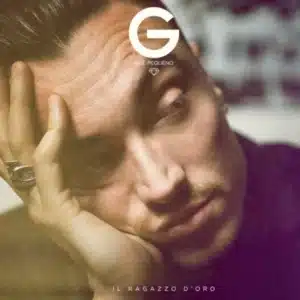
Released in 2011, Il ragazzo d’oro is Guè’s debut solo studio album and an important step in his development beyond Club Dogo. Already an established voice in Italian hip-hop, he used the project to explore how his personality and writing could carry a full record under his own name. It arrived while he was still active with the group, so it feels like an expansion of his musical world, with familiar collaborators appearing alongside a wider range of sounds.
The album combines forceful rap with melodic hooks, drawing on American hip-hop and R&B while retaining the direct delivery associated with Guè’s early work. Its variety allows him to move between swagger, nightlife and sexual bravado, then turn towards uncertainty, relationships and the pressures of growing older. Those shifts introduce the contrast between public confidence and private vulnerability that would become an increasingly important part of his solo music.
Non lo spegnere, featuring Entics, brings an accessible, immediately memorable chorus, while Ultimi giorni offers a more reflective side of his writing. The title track, with Caneda, places his ambition and identity at the centre of the record. Elsewhere, La G La U La E emphasises his commanding presence, and Il blues del perdente (6 gradi di separazione) adds another change of mood. Together, these tracks show an artist testing different approaches without abandoning his foundations in rap.
Collaboration is a defining feature of the album. Guests include Caneda, Entics, Baby K, Emis Killa and several figures from the wider Dogo circle. On Big!, Marracash, Jake La Furia, Ensi, Ntò and Nex Cassel join Guè and Entics for a posse cut that captures the collective energy of the scene. The extensive guest list gives the record a communal character, even as its central purpose is to establish Guè’s individual voice.
Rather than presenting a fully settled formula, Il ragazzo d’oro captures the beginning of a solo career taking shape. Its mixture of harder tracks, melodic songs and personal reflections points towards the versatility he would develop on later releases. For listeners exploring his catalogue, it provides the starting point for understanding how a prominent member of Club Dogo began building a separate identity as one of Italian rap’s leading solo artists.
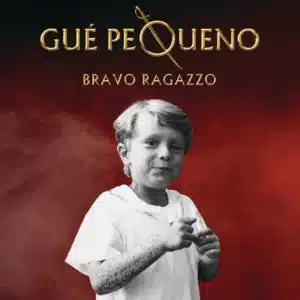
Released on 4 June 2013, Bravo ragazzo is Guè’s second solo studio album and a major step forward in establishing his identity beyond Club Dogo. Following the varied approach of Il ragazzo d’oro, this record presents a more focused balance between technical rap, memorable choruses and personal songwriting. Guè sounds increasingly comfortable at the centre of his own project, bringing together the confidence of an experienced rapper and the ambition of an artist reaching a broader audience.
The album explores success, money, nightlife and relationships, often revealing the tensions beneath an outwardly assured persona. Boasting and provocation sit alongside moments of disappointment and emotional uncertainty, giving the record more depth than its luxurious imagery might initially suggest. His distinctive voice and conversational delivery hold these different moods together, whether he is exchanging verses with another rapper or allowing a melodic refrain to shape a song.
Business opens the album with a direct statement of intent, while the title track reinforces his swagger and sharp sense of character. Rose nere brings a more melodic and emotionally charged atmosphere, showing how effectively he could build a song around a strong chorus without sacrificing his identity. Il drink & la jolla, featuring Ntò, draws on nightlife and escapism, adding another shade to a record that moves between public display and more private concerns.
Among its standout collaborations, Brivido with Marracash captures the chemistry between two artists whose voices and writing complement each other. Indelebile (inchiostro), featuring Fedez, and Tornare indietro, with singer Arlissa, further develop the album’s melodic side. Elsewhere, Fabri Fibra appears on In orbita, Emis Killa joins Sul tetto del mondo, and Jake La Furia features on Easy Boy. These guests connect the album to different parts of Italian rap while leaving Guè firmly at its centre.
The production gives the project a polished, contemporary sound, with forceful rhythms balanced by smoother passages and hooks influenced by R&B. That combination makes the album accessible while preserving the lyrical detail and attitude that established his reputation. Its songs work individually, but together they offer a fuller portrait of an artist negotiating ambition, pleasure and the complications that accompany both.
Bravo ragazzo helped consolidate Guè’s position as a major solo performer at a time when Italian rap was gaining an increasingly prominent place in mainstream music. It remains a significant release in his catalogue because it brings several defining strengths into clearer focus: confident delivery, effective collaborations and the ability to combine hard-edged verses with songs that reach beyond a traditional hip-hop audience.
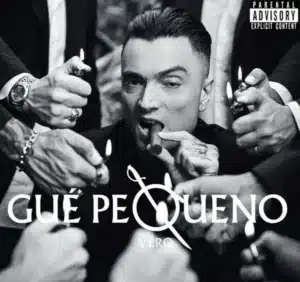
Released on 23 June 2015, Vero is Guè’s third solo studio album and marks an important stage in his development as an individual artist. Arriving after Club Dogo’s 2014 album Non siamo più quelli di Mi Fist, it finds him building on the success of Bravo ragazzo with a more assertive sound and a stronger international outlook. Released through Universal Music and Def Jam Recordings, the project connected his established place in Italian rap with a label closely associated with the history of American hip-hop.
The album brings questions of identity and credibility into a world shaped by ambition, money, desire and mistrust. Guè’s writing moves between the pleasures of success and the difficulties that accompany it, allowing moments of vulnerability to interrupt his confident public persona. His delivery remains controlled and immediately recognisable, with tightly constructed verses, pointed observations and the dark humour that had already become a central part of his style.
Squalo is one of the record’s defining tracks, presenting Guè at his most forceful and competitive. Its heavy production and commanding delivery give the album a clear statement of intent. Le bimbe piangono explores a more melodic approach, while Interstellar, featuring Akon, opens the project towards an international audience. Akon’s contribution gives the song a distinctive melodic character and reflects Guè’s interest in bringing contemporary American sounds into his music.
Elsewhere, Equilibrio and Eravamo re provide space for a more reflective mood, adding emotional weight to the record. These songs help broaden its portrait of success, relationships and personal uncertainty. Alongside the harder material, they show how Guè could make introspection part of his musical identity without losing the directness of his rapping. The movement between aggression, melody and reflection gives the album much of its character.
The collaborations extend beyond familiar Italian rap partnerships. French rapper Joke appears on Tu non sai, while contributions from Maruego and Crookers add further variety. Production from 2nd Roof also plays an important role in shaping the record’s sound. Across the album, dense rhythms and contemporary electronic textures support Guè’s voice, with enough changes in pace and atmosphere to accommodate both confrontational verses and more accessible hooks.
Vero captures Guè becoming increasingly assured about the scope of his solo work. Its appeal lies in the way it combines technical rap, memorable songs and a willingness to expose the unease beneath the boasting. Tracks such as Squalo, Interstellar, Equilibrio and Eravamo re remain central to the album’s identity, making it a significant chapter in the development of his catalogue and his position within Italian hip-hop.
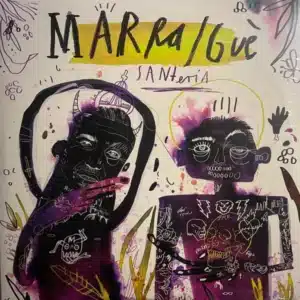
Released on 24 June 2016, Santeria is a joint studio album by Guè and Marracash, bringing their longstanding partnership into a complete project shared equally between them. Following Vero, it gave Guè the opportunity to build an entire record alongside one of his closest collaborators. The original edition contains fifteen tracks, combining the experience of two established solo artists with the familiarity developed through years of friendship and work within the wider Dogo circle.
For Guè, the album provides a setting in which his distinctive voice, precise delivery and instinct for memorable phrases interact constantly with another strong personality. Marracash brings his own intricate writing and forceful presence, while Guè contributes a mixture of swagger, dry humour and melodic confidence. Their differences give the songs variety, but their shared musical background keeps the partnership cohesive. Rather than simply taking turns, they create a dialogue that gives the record its identity.
The writing moves through money, status, relationships and the contradictions of success. Luxury and excess appear alongside distrust, frustration and emotional distance, with both rappers questioning the world they also participate in. Guè’s ability to sound assured while introducing more uncomfortable thoughts fits naturally into this approach. The album allows his familiar themes to develop through exchanges with Marracash, making the collaboration an extension of his solo writing.
Insta Lova is one of the clearest examples of their ability to combine accessible songwriting with a recognisable rap identity. Its melodic appeal contrasts with the harder energy of Scooteroni, while Salvador Dalì highlights the pair’s flair for vivid imagery and memorable delivery. Nulla accade adds a more reflective atmosphere, and Senza Dio brings a darker edge. These changes of mood help the album sustain its momentum without relying on a single musical formula.
The production accommodates both rappers through a mixture of heavy rhythms, atmospheric passages and melodic elements. Some tracks foreground the verses and the interplay between their voices; others give more space to choruses and mood. Guè moves comfortably across these settings, maintaining the directness of his performance while adapting his phrasing to the character of each song. The result connects the album to contemporary sounds while retaining the emphasis on writing and delivery that underpins both artists’ reputations.
Santeria occupies a distinct place in Guè’s catalogue because its strength comes from a sustained partnership rather than a collection of guest appearances. It captures two major voices in Italian rap working with mutual confidence, each giving the other room without losing his own character. For Guè, it stands alongside his solo releases as an important demonstration of his versatility and of the creative value of his enduring connection with Marracash.

Released on 30 June 2017 through Universal Music Italia and Def Jam Recordings, Gentleman is Guè’s fourth solo studio album. Following the shared project Santeria with Marracash, it returns the focus to his individual personality, with a sound that embraces melody, contemporary rap and Caribbean influences. Originally issued in different editions, the album presents several sides of an artist increasingly comfortable moving between demanding rap performances and songs designed around immediately memorable hooks.
The record’s identity centres on the tension between elegance and excess. Its polished image accompanies lyrics about luxury, nightlife, attraction and status, but Guè also makes room for disappointment and emotional uncertainty. His humour and self-assurance remain prominent, while the more melodic material allows him to express those themes through different kinds of performance. The result is an album in which his voice carries as much of the character as the intricate wording of his verses.
Milionario, featuring Cuban artist El Micha, is a clear example of the album’s outward-looking approach. Its Caribbean flavour gives it a buoyant, summery atmosphere, bringing another musical influence into Guè’s established world. Guersace follows a similarly infectious direction, combining an accessible rhythm with the fashion-conscious persona that runs through the project. Both songs demonstrate how naturally he could adapt his delivery to lighter, dance-oriented production while maintaining his recognisable presence.
Lamborghini, featuring Sfera Ebbasta, connects Guè with one of the leading voices of the emerging Italian trap generation. Their contrasting deliveries give the track much of its appeal, bringing an experienced rapper and a younger star together around the album’s themes of ambition and material success. Marracash also appears on Scarafaggio, preserving the longstanding partnership that had taken centre stage on Santeria. These collaborations place Guè within a changing scene while retaining his links to the artists who helped shape his career.
The album’s range also comes through in Non ci sei tu, which gives greater prominence to singing and emotional directness. Its relationship-centred writing offers a different perspective from the boasting elsewhere on the record. Trinità, included in the Red Version and digital edition, provides a more forceful counterpoint, foregrounding his rap delivery. These shifts make Gentleman a varied project, with softer passages and harder performances contributing to its broader portrait of Guè.
Within his catalogue, Gentleman captures a period of expanding musical reach. The Caribbean rhythms, melodic experimentation and collaborations with different generations of performers give it a distinct character after Vero and Santeria. It shows Guè developing songs for a widening audience while keeping his personality at their centre: confident, provocative and capable of letting moments of vulnerability emerge beneath the polished surface.
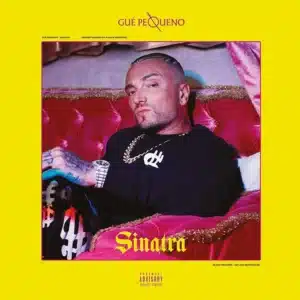
Released on 14 September 2018 through Island Records and Universal Music Italia, Sinatra is Guè’s fifth solo studio album. Following the melodic and Caribbean influences of Gentleman, it continues his exploration of contemporary rap, combining trap rhythms, polished hooks and a broad selection of collaborators. The title evokes the charisma and assured presence of Frank Sinatra, while the music places Guè firmly within the sounds and personalities of Italian hip-hop in 2018.
The album’s original twelve tracks form a compact project, with short, direct performances and frequent changes of atmosphere. Guè moves between luxury, nightlife, attraction and the complications of relationships, using his familiar mixture of confidence and dry humour. His voice remains the connecting thread: deep and conversational, capable of giving a boast an effortless swagger or bringing a more weary tone to the reflective material. The songs favour momentum, allowing different moods to emerge without lengthy introductions.
Trap Phone, featuring Capo Plaza, connects Guè’s established delivery with the energy of a younger generation of Italian trap artists. Borsello, with Sfera Ebbasta and DrefGold, develops that connection through an immediately recognisable hook and the contrasting personalities of its three performers. These collaborations are central to the album’s character, showing Guè working comfortably within the changing scene while retaining the phrasing and presence that distinguish him.
The record also makes considerable room for melody. 2%, featuring Frah Quintale, brings a relaxed atmosphere and a different vocal texture, while Sobrio, with Elodie, places the focus on attraction and emotional tension. Bling Bling (Oro) offers another accessible entry point, combining its memorable refrain with the album’s recurring imagery of wealth and display. Together, these tracks broaden the sound beyond straightforward rap exchanges and give the project some of its strongest contrasts.
The harder material preserves the record’s connection to Guè’s rap foundations. Bastardi senza gloria, featuring Noyz Narcos, brings a more confrontational edge, while Modalità aereo reunites him with Luchè and Marracash for a collaboration built around three distinctive voices. Bam Bam, with Cosculluela and El Micha, extends the Latin influence explored on Gentleman. Across these tracks, the guest list creates variety through differences in language, delivery and musical background.
Sinatra captures Guè balancing his established identity with an increasingly varied approach to songwriting. Its concise structure and combination of trap, melodic rap and Latin influences make it a distinct chapter in his catalogue. Rather than relying on one mood, it moves between bravado, lightness and emotional unease, with Guè’s personality holding the different elements together. It also demonstrates the importance of collaboration to his music, bringing familiar partners and newer voices into a project shaped around his own presence.
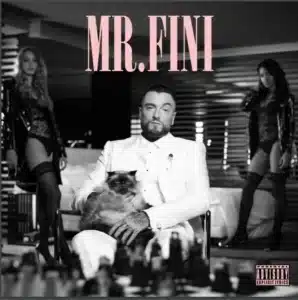
Released on 26 June 2020 through Island Records, Mr. Fini is Guè’s sixth solo studio album. Its title draws on his surname, placing the person behind the stage name at the centre of a project he described as his own cinematic blockbuster. Across seventeen tracks, the album brings together forceful rap, melodic songwriting and an extensive cast of collaborators, creating a broad portrait of his musical interests and the contradictions within his public persona.
The record moves between displays of confidence and passages shaped by uncertainty, memory and emotional strain. Money, status and nightlife remain part of Guè’s world, but they share space with troubled relationships and more personal reflection. His distinctive delivery connects these different perspectives: commanding on the harder tracks, more restrained when the writing turns inward. The cinematic framing gives the album a useful sense of scale, with each song introducing another setting, mood or encounter.
Saigon is one of the clearest statements of Guè’s individual presence, foregrounding his voice and imagery without a guest performer. Chico, featuring Rose Villain and Luchè, offers a more melodic contrast, bringing three recognisable voices into a song with an immediately memorable chorus. 25 ore develops the album’s relationship-centred writing, adding another change of pace. Together, these tracks demonstrate the balance between direct rap performances and accessible songs that runs throughout the project.
The collaborations connect Guè with both longstanding partners and younger artists. Sfera Ebbasta appears on Immortale, while Tardissimo brings together Mahmood and Marracash, combining melodic expression with the chemistry of Guè’s familiar rap partnership. Lazza joins him on Medellin, and Geolier features on Cyborg. These encounters give the record different vocal textures and approaches, allowing Guè to adapt to each setting while remaining its central personality.
Other guests expand the album’s musical range further. Carl Brave contributes to Parte di me, Alborosie brings a reggae connection to Dem Fake, and Noizy appears on No Security. Young Rame features on Giacomo, while Paky joins the harder-edged Ti levo le collane. Production duties are similarly varied, with contributions from 2nd Roof, Sixpm, Shablo, Takagi & Ketra, Low Kidd and The Night Skinny. That combination supports the album’s movement between heavy rhythms, smoother melodies and darker atmospheres.
Mr. Fini closes with Stanza 106 and Ti ricordi?, giving its final stretch a more reflective character after the succession of contrasting performances. Within Guè’s catalogue, the album stands out for the breadth of its cast and the room it gives to different sides of his writing. It gathers familiar strengths—precise delivery, strong collaborations and memorable hooks—into a substantial project that also allows vulnerability and self-examination to become prominent parts of the picture.

Released on 10 December 2021 through Island Records and Universal Music Italia, GVESVS is Guè’s seventh solo studio album. Following Mr. Fini, its 16 tracks bring together several sides of his music: sharp, competitive rapping, international collaborations, melodic songs and more reflective writing. The cover’s religious imagery gives the project a deliberately provocative visual identity, while the music explores the tension between his commanding public persona and the uncertainty that can sit beneath it.
Sixpm produces much of the album, with additional contributions from DJ Shocca, Shablo, The Night Skinny, 2nd Roof, Marz, Zef and Marco Polo. This combination allows the sound to move between traditional hip-hop foundations and contemporary production without losing its connection to Guè’s delivery. The opening La G La U La E pt.2 establishes that connection immediately, placing his voice and lyrical presence at the centre of the record. Across the album, changes in atmosphere give him room to move from punchlines and boasts to more intimate observations.
The international guests underline Guè’s longstanding relationship with American rap and his interest in sounds beyond Italy. Rick Ross joins him on Gangster of Love, while Jadakiss appears on Nicolas Cage, bringing two distinctive voices into his musical world. Sponsor, featuring British rapper Dutchavelli, adds another dimension to that exchange. These collaborations sit alongside Blitz!, with Geolier, and Daytona, with Marracash, connecting his international ambitions with the Italian scene and one of his most enduring creative partnerships.
The album’s more melodic moments explore relationships, dissatisfaction and emotional dependence. Veleno, produced by Sixpm, describes an attraction that becomes intoxicating and difficult to escape. Piango sulla Lambo, featuring Rose Villain, places emotional distress alongside the imagery of wealth and luxury, bringing a familiar contradiction in Guè’s writing into focus. Nessuno, with Coez, and Futura ex, featuring Ernia, further broaden this side of the project, giving its harder rap passages a counterweight through songs built around personal connections.
Senza sogni, featuring Elisa, offers one of the record’s most distinctive changes of atmosphere, introducing a dreamlike, melancholic mood. Lunedì blu, with Salmo, and Fredda, triste, pericolosa, featuring Franco126, add further shades to the album’s emotional range. Rather than relying on one type of collaboration, GVESVS brings together artists whose different approaches allow Guè to reveal different aspects of his own voice.
Closing with Too Old to Die Young, made with Shablo, GVESVS draws its varied sounds back towards the artist at its centre. Its appeal comes from the balance between technical confidence and emotional unease: Guè can celebrate status and success while questioning what they actually provide. The result is a substantial chapter in his catalogue, combining the competitive energy of his rap roots with the melodic instincts and wider musical curiosity developed throughout his solo career.

Released on 13 January 2023 through Island Records and Universal Music Italia, Madreperla is Guè’s eighth solo studio album. Its 12 tracks centre on a close creative partnership with Bassi Maestro, who produces the entire project, with Shablo contributing co-production to Chiudi gli occhi. Following the broader range of sounds and producers on GVESVS, this approach gives the album a strong musical identity, drawing on classic hip-hop while leaving room for melodic hooks, contemporary guests and Guè’s distinctive humour.
Bassi Maestro’s production provides the foundation for that identity. The beats draw on boom bap, funk and soul, creating a sound that suits Guè’s conversational flow and precise delivery. There is a sense of shared musical history throughout the record: two experienced figures in Italian hip-hop working with an understanding of what makes a verse, a sample or a groove effective. The result feels assured and cohesive, with enough variation to accommodate both direct rap performances and songs with a wider melodic appeal.
Prefissi opens the album by placing Guè’s voice and personality firmly at its centre. Tuta Maphia, featuring Paky, brings a younger rapper into that setting, while Cookies n’ Cream, with Anna and Sfera Ebbasta, connects the project’s classic foundations with two prominent voices from the contemporary scene. These collaborations show how comfortably Guè can work across generations. His presence remains recognisable, shaped by punchlines, references to luxury and street life, and a delivery that makes technically controlled verses sound effortless.
Other guests introduce different shades to the record. Massimo Pericolo appears on Need U 2Nite, while Marracash and Rkomi join Guè on Free. The combination of familiar collaborators and contrasting voices keeps the album moving without weakening its overall character. Da 1k in su, featuring Benny the Butcher, extends that connection to American hip-hop, bringing a rapper closely associated with modern street rap into a project whose production already reflects Guè’s longstanding attachment to the genre’s foundations.
The album also gives space to his melodic instincts. Mi hai capito o no? foregrounds his ability to shape a song around an immediately recognisable refrain, while Lontano dai guai, featuring Mahmood, adds another vocal texture. Mollami pt.2 revisits a thread from Vero, drawing on Ini Kamoze’s Here Comes the Hotstepper for a dancehall-influenced change of pace. The closing Capa tosta, featuring Napoleone, provides a further shift in atmosphere.
Madreperla stands out in Guè’s catalogue for the clarity of its partnership and the consistency of its sound. Bassi Maestro gives the songs a common foundation, allowing Guè to move between swagger, wit, relationships and reflection without making the album feel scattered. It presents an established rapper comfortable with his musical roots and able to bring those influences into conversation with the artists and sounds around him.

Released on 10 January 2025 through Island Records and Universal Music Italia, Tropico del Capricorno is Guè’s ninth solo studio album. Arriving two years after Madreperla, its 15 tracks bring together direct rap performances, melodic collaborations and more reflective passages. Where the previous album centred on his partnership with Bassi Maestro, this project opens up to a wider production team and a varied cast of guests, giving Guè room to explore several aspects of his musical personality.
Sixpm and Chef P provide much of the production, with contributions from Bassi Maestro, Big Fish, Harry Fraud and others. The sound accommodates contemporary rap alongside influences from Italian popular music, maintaining a balance between rhythmic drive and memorable melodies. Guè’s delivery gives the different approaches a common thread: relaxed and conversational in places, sharper and more forceful elsewhere, with the technical control and distinctive phrasing that have long characterised his records.
The opening Oh mamma mia, featuring Rose Villain, immediately establishes the album’s accessible side. Built around a sample from Pino Daniele’s Che soddisfazione, it connects a familiar Italian musical reference with the chemistry between two artists who have already worked together successfully. Meravigliosa, featuring Stadio, introduces another connection with Italian popular music, while Nei tuoi skinny, with Frah Quintale, brings a different melodic voice into the project. These songs broaden the album’s character without displacing Guè from its centre.
The rap collaborations connect him with several generations of the contemporary scene. Shiva appears on Da 0 a 100, Artie 5ive joins him on Akrapovič, and Ele A contributes to Gazelle. Movie, featuring Geolier, continues another established creative relationship, while Kalispera brings together Guè, Ghali and Tony Effe. Each pairing creates a different exchange of voices and styles, showing how readily Guè can adapt to his collaborators while retaining his own pace, humour and lyrical presence.
Nei DM, featuring Ernia and Tormento, makes that exchange between generations particularly visible, placing an influential figure from Italian hip-hop’s earlier years alongside one of its established contemporary names. Elsewhere, Non lo so, with chiello, adds a contrasting vocal texture, and Pain Is Love, produced by Harry Fraud, maintains Guè’s longstanding connection with American hip-hop. His solo tracks also have an important role: La G La U La E pt.3 continues a recurring thread in his catalogue, while Vibe, Le tipe and the closing Astronauta give him space away from the guest exchanges.
Tropico del Capricorno presents Guè as an artist whose experience allows him to move comfortably across different musical settings. The album combines the confidence of his rap performances with songs shaped by attraction, relationships and introspection. Its range comes from the way those elements coexist, making it a varied addition to his catalogue while keeping his voice and personality firmly in focus.