


Ghali

Artist: Ghali
Real Name: Ghali Amdouni
Born: 21 May 1993, Milan
Roots: Baggio, Milan; Tunisian heritage
Active since: 2011
Style: Rap, trap and pop rap
Debut album: Album (2017) ↗
Biography
Ghali has developed one of the most recognisable voices in contemporary Italian music, combining rap, trap and melodic pop with a perspective shaped by life between cultures. Born Ghali Amdouni in Milan on 21 May 1993 to Tunisian parents, he grew up in Baggio, a neighbourhood on the city’s western outskirts. His music brings together the language and experiences of that environment with Arabic and French influences, moving between playful hooks, personal reflection and questions about identity and belonging.
He began performing under the names Fobia and Ghali Foh before establishing Troupe D’Elite in 2011 alongside Ernia, singer Maite and producer Fawzi. The group signed with Tanta Roba, the label associated with Guè and DJ Harsh. Early opportunities included accompanying Fedez on tour, while his solo Leader Mixtape appeared in 2013. These experiences gave him an introduction to the industry before he developed the sound that would distinguish his later work.
After the group’s final release in 2014, Ghali built an audience through songs and carefully styled videos uploaded to YouTube. His partnership with producer Charlie Charles became central to this period, helping create a sound in which sparse trap beats supported an unusually fluid, melodic delivery. Tracks including “Dende” and “Wily Wily” established his personality, while the success of “Ninna Nanna” in 2016 brought him to a much wider audience. Through his own Sto Records label, he developed a visual and musical identity that stood out within the emerging trap scene.
His debut studio album, Album, followed in 2017, bringing together songs including “Habibi”, “Happy Days” and “Ricchi Dentro”. Later that year, Lunga Vita a Sto collected material from the years leading up to his breakthrough. “Cara Italia”, released in 2018, placed belonging and national identity within an immediately accessible pop song, while “Peace & Love”, recorded with Sfera Ebbasta and Charlie Charles, reinforced his connections with the wider trap movement.
With DNA in 2020 and Sensazione ultra in 2022, Ghali continued to broaden his musical range, exploring different rhythms, vocal approaches and collaborations. PIZZA KEBAB Vol. 1, released in 2023, brought a renewed emphasis on rap and trap. Across these changes, his distinctive phrasing remained the connecting thread: he can move from conversational verses to sung refrains while allowing different languages and cultural references to coexist naturally.
His first appearance as a competitor at the Sanremo Festival came in 2024 with “Casa mia”, which finished fourth. It introduced his perspective to another broad audience, extending a career in which accessible songs often carry questions about prejudice, home and the experience of growing up between identities. Ghali’s place in Italian music rests on that combination of melodic instinct, individual style and a voice rooted in the multicultural reality of contemporary Milan.
Albums
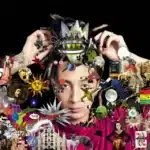
Released on 26 May 2017 through Sto Records, Album is Ghali’s debut studio album. Its twelve tracks bring together trap production, melodic hooks and a distinctive vocal style shaped by his upbringing in Baggio, Milan. Following the success of his early online releases, the record introduced his music to a broader audience while preserving the personality that had made him stand out.
Charlie Charles handles the production throughout, providing a consistent setting of electronic melodies, deep bass and spacious beats. Ghali moves easily between rapped verses and sung refrains, using changes in rhythm and pronunciation to give the songs their character. The absence of featured vocal guests keeps the focus on that partnership and allows his voice to lead the entire record.
“Ninna Nanna” opens the album with the song that had already helped establish his breakthrough. “Habibi” and “Happy Days” show his ability to build memorable choruses, while “Ricchi Dentro”, “Lacrime” and “Milano” introduce different shades of ambition, vulnerability and attachment to home. The tracks share an immediately recognisable sound without relying on the same mood throughout.
The writing draws on relationships, family, money and the experience of growing up between cultures. Ghali’s delivery gives these subjects an approachable, conversational quality, allowing humour and confidence to sit alongside more personal observations. His musical identity emerges through the interaction of language, melody and rhythm, with his Milanese surroundings and Tunisian heritage forming part of the same perspective.
Album established the foundations of Ghali’s solo career through a concentrated introduction to his sound. Its strength lies in the consistency between rapper and producer: Charlie Charles creates a recognisable musical world, while Ghali fills it with distinctive phrasing and accessible songs. It captures the point at which the individual style developed through his early videos became a complete debut album.
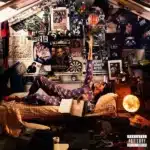
Released on 24 November 2017, Lunga Vita a Sto is a compilation collecting the songs Ghali released during the years leading up to his breakthrough. Arriving a few months after his debut studio album, Album, it brings together twelve tracks that had helped him build an audience through YouTube and establish his identity as a solo artist.
The collection documents the development of his partnership with producer Charlie Charles. Electronic melodies, deep bass and spacious trap rhythms provide a setting for Ghali’s fluid delivery, with rapped passages moving naturally into sung refrains. His distinctive phrasing and changes of tone are already central, giving the songs a recognisable personality.
“Dende”, “Wily Wily” and “Marijuana” are among the tracks most closely associated with this early period. Alongside “Come Milano”, “Cazzo Mene” and “Sempre Me”, they capture the sound through which Ghali began reaching listeners beyond his immediate surroundings. “Non Lo So”, featuring Izi, introduces a guest voice into a collection otherwise centred on Ghali himself.
The songs draw on ambition, relationships, family and the environment in which he grew up. Confidence and humour sit alongside uncertainty and more personal observations, while memorable hooks make the material immediately approachable. These recordings show how his melodic instincts and conversational style were taking shape before the larger exposure brought by Album.
Lunga Vita a Sto provides an important companion to his debut rather than a separate collection of newly recorded material. It gathers the foundations of his breakthrough into one release, allowing listeners to follow the songs that helped turn his early online following into a wider audience.
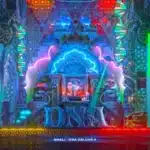
Released on 21 February 2020, DNA is Ghali’s second studio album. Its fifteen tracks broaden the musical world introduced on Album, bringing rap and trap into contact with pop, electronic production and international influences. His melodic delivery remains central, but a larger team of producers gives the songs a wider range of sounds and moods.
MACE serves as the main producer, with contributions from Michele Canova, Sick Luke, Merk & Kremont, Venerus and others. “Giù x Terra” opens the record before “Boogieman”, featuring Salmo, introduces a forceful exchange between two distinctive voices. Elsewhere, “Good Times” offers an upbeat, immediately accessible chorus, while “Flashback” takes a more reflective approach.
The guest appearances extend the album’s musical reach. Soolking joins Ghali on “Jennifer”, while Nigerian artist Mr Eazi contributes to “Combo”. “Marymango”, featuring tha Supreme, brings another contrasting vocal style and a shifting trap arrangement. These collaborations place Ghali within a broader musical conversation while preserving his own phrasing and personality.
Across songs including “22:22”, “Barcellona” and “Cuore a Destra”, the album moves between relationships, ambition and personal uncertainty. Ghali’s voice connects its different settings, moving from relaxed verses to melodic refrains. The variety of production allows him to explore different approaches without losing the conversational quality that distinguishes his performances.
DNA marks a clear expansion of Ghali’s sound after his debut. Where Album drew much of its consistency from his partnership with Charlie Charles, this project opens his music to a wider circle of collaborators. Its combination of direct rap, accessible songwriting and international encounters captures an artist testing how far his distinctive voice can travel.

Released on 20 May 2022, Sensazione ultra is Ghali’s third studio album. Its twelve tracks bring together rap, melodic pop and electronic sounds, continuing the musical exploration of DNA within a shorter, concentrated project. Ghali moves between different languages and vocal approaches, with his Tunisian heritage and Milanese upbringing remaining part of the record’s identity.
“BAYNA” opens the album before “BRAVO” and “FORTUNA” introduce contrasting sides of his delivery. Throughout the record, forceful verses sit alongside softer melodies and rhythms that draw on different musical traditions. “WALO” and “WALLAH” maintain a strong connection to his rap background, while other tracks give greater space to atmosphere and sung passages.
The collaborations bring together established artists and newer voices. Marracash appears on “FREE SOLO”, while Madame joins Ghali on “PARE”, adding a contrasting melodic presence. Baby Gang features on “DRARI”, and appearances from Axell on “MOON RAGE” and Astro on “PETER PARKER” further widen the range of voices within the project.
Relationships, ambition and belonging run through the songs, connecting the album’s changing moods. Ghali’s phrasing provides continuity as the music moves between direct rap performances and more open, melodic arrangements. Tracks such as “CRAZY” and the closing “SENSAZIONE ULTRA” help give the record a character that extends beyond its individual singles.
Sensazione ultra captures Ghali continuing to experiment with the balance between his rap foundations and a broader pop sensibility. Its compact length allows different styles and collaborators to share the same space, held together by his recognisable voice and interest in bringing multiple musical influences into his work.

Released on 1 December 2023, PIZZA KEBAB Vol. 1 brings Ghali back towards the rap and trap foundations of his early solo work. Following the broader pop and electronic exploration of Sensazione ultra, its fourteen tracks place greater emphasis on direct verses, heavy beats and exchanges with a substantial cast of guests. The compact songs keep the record moving quickly, with Ghali shifting between forceful delivery and melodic hooks.
“Sto” opens the project before “Paura E Delirio A Milano” brings together Tony Effe, Pyrex and Side Baby. The collaboration establishes the crowded, energetic atmosphere found across much of the album. Elsewhere, solo tracks including “Coco”, “Dimmi La Verità” and “Senza Pietà” give Ghali space to lead without another voice, balancing the guest appearances with performances centred on his own phrasing.
The Italian collaborations connect him with several prominent figures in contemporary rap. Simba La Rue appears on “Machiavelli”, Luchè joins him on “Sotto Controllo”, and Geolier contributes to “Tanti Soldi”. Each pairing introduces a different delivery while maintaining the record’s emphasis on rap, confidence and rhythmic energy.
Other guests extend the album’s musical connections beyond Italy. Moroccan artist Draganov features on “Safi Safi”, while Soolking joins Ghali on “Buonasera”, renewing a partnership previously heard on DNA. Astro appears on “Celine”, adding another voice from the younger generation. These encounters preserve the international dimension of Ghali’s music within a project more firmly focused on trap.
PIZZA KEBAB Vol. 1 captures Ghali revisiting an established part of his identity after several years of musical experimentation. Its shorter tracks and frequent collaborations favour immediacy, with the closing “Peccati” completing a record built around contrasting voices, memorable refrains and the distinctive delivery connecting his early recordings with his later work.
Ghali
Artist: Ghali
Real Name: Ghali Amdouni
Born: 21 May 1993, Milan
Roots: Baggio, Milan; Tunisian heritage
Active since: 2011
Style: Rap, trap and pop rap
Debut album: Album (2017) ↗
Biography
Ghali has developed one of the most recognisable voices in contemporary Italian music, combining rap, trap and melodic pop with a perspective shaped by life between cultures. Born Ghali Amdouni in Milan on 21 May 1993 to Tunisian parents, he grew up in Baggio, a neighbourhood on the city’s western outskirts. His music brings together the language and experiences of that environment with Arabic and French influences, moving between playful hooks, personal reflection and questions about identity and belonging.
He began performing under the names Fobia and Ghali Foh before establishing Troupe D’Elite in 2011 alongside Ernia, singer Maite and producer Fawzi. The group signed with Tanta Roba, the label associated with Guè and DJ Harsh. Early opportunities included accompanying Fedez on tour, while his solo Leader Mixtape appeared in 2013. These experiences gave him an introduction to the industry before he developed the sound that would distinguish his later work.
After the group’s final release in 2014, Ghali built an audience through songs and carefully styled videos uploaded to YouTube. His partnership with producer Charlie Charles became central to this period, helping create a sound in which sparse trap beats supported an unusually fluid, melodic delivery. Tracks including “Dende” and “Wily Wily” established his personality, while the success of “Ninna Nanna” in 2016 brought him to a much wider audience. Through his own Sto Records label, he developed a visual and musical identity that stood out within the emerging trap scene.
His debut studio album, Album, followed in 2017, bringing together songs including “Habibi”, “Happy Days” and “Ricchi Dentro”. Later that year, Lunga Vita a Sto collected material from the years leading up to his breakthrough. “Cara Italia”, released in 2018, placed belonging and national identity within an immediately accessible pop song, while “Peace & Love”, recorded with Sfera Ebbasta and Charlie Charles, reinforced his connections with the wider trap movement.
With DNA in 2020 and Sensazione ultra in 2022, Ghali continued to broaden his musical range, exploring different rhythms, vocal approaches and collaborations. PIZZA KEBAB Vol. 1, released in 2023, brought a renewed emphasis on rap and trap. Across these changes, his distinctive phrasing remained the connecting thread: he can move from conversational verses to sung refrains while allowing different languages and cultural references to coexist naturally.
His first appearance as a competitor at the Sanremo Festival came in 2024 with “Casa mia”, which finished fourth. It introduced his perspective to another broad audience, extending a career in which accessible songs often carry questions about prejudice, home and the experience of growing up between identities. Ghali’s place in Italian music rests on that combination of melodic instinct, individual style and a voice rooted in the multicultural reality of contemporary Milan.
Albums
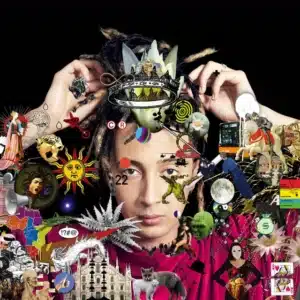
Released on 26 May 2017 through Sto Records, Album is Ghali’s debut studio album. Its twelve tracks bring together trap production, melodic hooks and a distinctive vocal style shaped by his upbringing in Baggio, Milan. Following the success of his early online releases, the record introduced his music to a broader audience while preserving the personality that had made him stand out.
Charlie Charles handles the production throughout, providing a consistent setting of electronic melodies, deep bass and spacious beats. Ghali moves easily between rapped verses and sung refrains, using changes in rhythm and pronunciation to give the songs their character. The absence of featured vocal guests keeps the focus on that partnership and allows his voice to lead the entire record.
“Ninna Nanna” opens the album with the song that had already helped establish his breakthrough. “Habibi” and “Happy Days” show his ability to build memorable choruses, while “Ricchi Dentro”, “Lacrime” and “Milano” introduce different shades of ambition, vulnerability and attachment to home. The tracks share an immediately recognisable sound without relying on the same mood throughout.
The writing draws on relationships, family, money and the experience of growing up between cultures. Ghali’s delivery gives these subjects an approachable, conversational quality, allowing humour and confidence to sit alongside more personal observations. His musical identity emerges through the interaction of language, melody and rhythm, with his Milanese surroundings and Tunisian heritage forming part of the same perspective.
Album established the foundations of Ghali’s solo career through a concentrated introduction to his sound. Its strength lies in the consistency between rapper and producer: Charlie Charles creates a recognisable musical world, while Ghali fills it with distinctive phrasing and accessible songs. It captures the point at which the individual style developed through his early videos became a complete debut album.
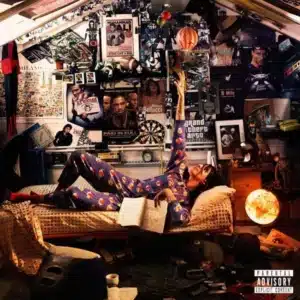
Released on 24 November 2017, Lunga Vita a Sto is a compilation collecting the songs Ghali released during the years leading up to his breakthrough. Arriving a few months after his debut studio album, Album, it brings together twelve tracks that had helped him build an audience through YouTube and establish his identity as a solo artist.
The collection documents the development of his partnership with producer Charlie Charles. Electronic melodies, deep bass and spacious trap rhythms provide a setting for Ghali’s fluid delivery, with rapped passages moving naturally into sung refrains. His distinctive phrasing and changes of tone are already central, giving the songs a recognisable personality.
“Dende”, “Wily Wily” and “Marijuana” are among the tracks most closely associated with this early period. Alongside “Come Milano”, “Cazzo Mene” and “Sempre Me”, they capture the sound through which Ghali began reaching listeners beyond his immediate surroundings. “Non Lo So”, featuring Izi, introduces a guest voice into a collection otherwise centred on Ghali himself.
The songs draw on ambition, relationships, family and the environment in which he grew up. Confidence and humour sit alongside uncertainty and more personal observations, while memorable hooks make the material immediately approachable. These recordings show how his melodic instincts and conversational style were taking shape before the larger exposure brought by Album.
Lunga Vita a Sto provides an important companion to his debut rather than a separate collection of newly recorded material. It gathers the foundations of his breakthrough into one release, allowing listeners to follow the songs that helped turn his early online following into a wider audience.
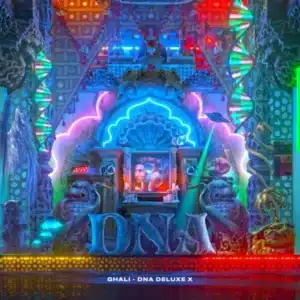
Released on 21 February 2020, DNA is Ghali’s second studio album. Its fifteen tracks broaden the musical world introduced on Album, bringing rap and trap into contact with pop, electronic production and international influences. His melodic delivery remains central, but a larger team of producers gives the songs a wider range of sounds and moods.
MACE serves as the main producer, with contributions from Michele Canova, Sick Luke, Merk & Kremont, Venerus and others. “Giù x Terra” opens the record before “Boogieman”, featuring Salmo, introduces a forceful exchange between two distinctive voices. Elsewhere, “Good Times” offers an upbeat, immediately accessible chorus, while “Flashback” takes a more reflective approach.
The guest appearances extend the album’s musical reach. Soolking joins Ghali on “Jennifer”, while Nigerian artist Mr Eazi contributes to “Combo”. “Marymango”, featuring tha Supreme, brings another contrasting vocal style and a shifting trap arrangement. These collaborations place Ghali within a broader musical conversation while preserving his own phrasing and personality.
Across songs including “22:22”, “Barcellona” and “Cuore a Destra”, the album moves between relationships, ambition and personal uncertainty. Ghali’s voice connects its different settings, moving from relaxed verses to melodic refrains. The variety of production allows him to explore different approaches without losing the conversational quality that distinguishes his performances.
DNA marks a clear expansion of Ghali’s sound after his debut. Where Album drew much of its consistency from his partnership with Charlie Charles, this project opens his music to a wider circle of collaborators. Its combination of direct rap, accessible songwriting and international encounters captures an artist testing how far his distinctive voice can travel.

Released on 20 May 2022, Sensazione ultra is Ghali’s third studio album. Its twelve tracks bring together rap, melodic pop and electronic sounds, continuing the musical exploration of DNA within a shorter, concentrated project. Ghali moves between different languages and vocal approaches, with his Tunisian heritage and Milanese upbringing remaining part of the record’s identity.
“BAYNA” opens the album before “BRAVO” and “FORTUNA” introduce contrasting sides of his delivery. Throughout the record, forceful verses sit alongside softer melodies and rhythms that draw on different musical traditions. “WALO” and “WALLAH” maintain a strong connection to his rap background, while other tracks give greater space to atmosphere and sung passages.
The collaborations bring together established artists and newer voices. Marracash appears on “FREE SOLO”, while Madame joins Ghali on “PARE”, adding a contrasting melodic presence. Baby Gang features on “DRARI”, and appearances from Axell on “MOON RAGE” and Astro on “PETER PARKER” further widen the range of voices within the project.
Relationships, ambition and belonging run through the songs, connecting the album’s changing moods. Ghali’s phrasing provides continuity as the music moves between direct rap performances and more open, melodic arrangements. Tracks such as “CRAZY” and the closing “SENSAZIONE ULTRA” help give the record a character that extends beyond its individual singles.
Sensazione ultra captures Ghali continuing to experiment with the balance between his rap foundations and a broader pop sensibility. Its compact length allows different styles and collaborators to share the same space, held together by his recognisable voice and interest in bringing multiple musical influences into his work.
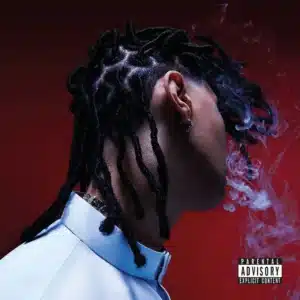
Released on 1 December 2023, PIZZA KEBAB Vol. 1 brings Ghali back towards the rap and trap foundations of his early solo work. Following the broader pop and electronic exploration of Sensazione ultra, its fourteen tracks place greater emphasis on direct verses, heavy beats and exchanges with a substantial cast of guests. The compact songs keep the record moving quickly, with Ghali shifting between forceful delivery and melodic hooks.
“Sto” opens the project before “Paura E Delirio A Milano” brings together Tony Effe, Pyrex and Side Baby. The collaboration establishes the crowded, energetic atmosphere found across much of the album. Elsewhere, solo tracks including “Coco”, “Dimmi La Verità” and “Senza Pietà” give Ghali space to lead without another voice, balancing the guest appearances with performances centred on his own phrasing.
The Italian collaborations connect him with several prominent figures in contemporary rap. Simba La Rue appears on “Machiavelli”, Luchè joins him on “Sotto Controllo”, and Geolier contributes to “Tanti Soldi”. Each pairing introduces a different delivery while maintaining the record’s emphasis on rap, confidence and rhythmic energy.
Other guests extend the album’s musical connections beyond Italy. Moroccan artist Draganov features on “Safi Safi”, while Soolking joins Ghali on “Buonasera”, renewing a partnership previously heard on DNA. Astro appears on “Celine”, adding another voice from the younger generation. These encounters preserve the international dimension of Ghali’s music within a project more firmly focused on trap.
PIZZA KEBAB Vol. 1 captures Ghali revisiting an established part of his identity after several years of musical experimentation. Its shorter tracks and frequent collaborations favour immediacy, with the closing “Peccati” completing a record built around contrasting voices, memorable refrains and the distinctive delivery connecting his early recordings with his later work.