


Ernia

Artist: Ernia
Real Name: Matteo Professione
Born: 29 November 1993, Milan
Roots: QT8, Milan
Active since: 2011
Style: Italian rap, introspective hip-hop and melodic rap
Debut album: Come uccidere un usignolo (2017) ↗
Biography
Ernia, born Matteo Professione in Milan on 29 November 1993, grew up in the city’s QT8 neighbourhood. His music combines technical rap, melodic hooks and personal storytelling, moving between sharp humour, social observation and reflections on insecurity, relationships and ambition. Rather than presenting success as a simple escape from everyday problems, he often explores the doubts and contradictions that remain after achieving it. This balance between confidence and vulnerability has become one of the defining features of his writing.
His first significant experience came in 2011 with Troupe D’Elite, the group he formed alongside Ghali, singer Maite and producer Fawzi. Their association with Tanta Roba, the label founded by Guè and DJ Harsh, brought early attention, although the project struggled to find a lasting audience. After the group’s experience ended, Ernia stepped away from music and spent time abroad, including a period living in London. These setbacks became an important part of his development, giving his later work a perspective shaped by disappointment and the need to start again.
Ernia returned to solo music with No Hooks in 2016, followed by Come uccidere un usignolo in 2017. The latter introduced a more focused artistic identity, combining agile delivery with carefully constructed stories and literary references. An expanded edition followed later that year, while 68 arrived in 2018 and broadened his sound with jazz and R&B influences. Across these releases, he developed a style that could move from competitive rap to reflective writing without losing its character, building the foundations for his breakthrough beyond the core hip-hop audience.
That wider breakthrough came with Gemelli in 2020. The success of “Superclassico” brought his music to a much larger public, showing how naturally his conversational writing could work within a melodic song. The album placed accessible tracks alongside more direct rap performances, making the contrast between his different musical sides central to the project. With Io non ho paura in 2022, he extended that approach into a broader examination of adulthood, touching on personal responsibility, social pressures and anxiety about the future.
In 2025, Ernia released Per soldi e per amore, a particularly personal project centred on family, friendship and the competing demands of ambition and emotional fulfilment. Collaborations with Marracash and Club Dogo also connected the record to artists whose writing helped shape his own. His development from an uncertain group debut to an established solo career reflects a consistent willingness to reassess himself. Whether delivering pointed bars or writing a melodic refrain, he keeps personal experience and the tensions of ordinary life at the centre of his music.
Albums

Released on 2 June 2017, Come uccidere un usignolo is the project that established Ernia’s identity as a solo artist. Its eight tracks introduce a rapper whose technical ability is matched by an interest in storytelling, emotional uncertainty and the contradictions of everyday life. Rather than building the record around a single persona, he moves between confidence and vulnerability, allowing sharp humour, frustration and sensitivity to coexist. The result is an early statement of the qualities that would distinguish his later work: precise writing, an adaptable delivery and songs that offer more than a straightforward display of skill.
The production gives Ernia room to vary his approach, moving between forceful verses and more melodic passages without losing the record’s overall character. “QT” and “Gotham” foreground his rhythmic control and ability to give a verse momentum, while other moments allow the atmosphere and the story to take greater prominence. His delivery can sound conversational before becoming more tightly structured, helping the songs retain a sense of personality even when the writing becomes dense. This variety makes the project feel broader than its relatively short running time suggests.
“Bella” reveals the melodic instinct that would become an increasingly important part of Ernia’s music. It provides a more immediately accessible point of entry into a project that also leaves space for darker moods and more demanding writing. On “Madonna”, he is joined by Rkomi, whose contrasting voice adds another dimension to the record. The collaboration sits within a tracklist that largely keeps the focus on Ernia himself, giving listeners time to become familiar with his phrasing, perspective and shifting emotional register.
The closing title track gives particular weight to narrative and the effects of judgement and exclusion. It draws together the more reflective side of the project, showing how Ernia can use a story to explore feelings that extend beyond his own immediate experience. Across the release, moments of bravado are repeatedly complicated by doubt or discomfort. That tension gives the writing depth: confidence is part of his voice, but it never becomes the only lens through which he presents himself or the people around him.
Later in 2017, the project was expanded with the 67 edition, which added eight tracks to the original material. The additional songs broadened its musical and lyrical range, with appearances from Guè on “Disgusting” and Mecna on “Tradimento (Il Traditore)”. The original eight-track release remains a concise introduction to Ernia’s solo work, while the expanded edition offers a fuller picture of his versatility during this formative period. Together, they document the foundations of a career built on the connection between rap technique, storytelling and melodic songwriting.

Released on 7 September 2018, 68 marked a more focused and introspective chapter in Ernia’s solo career. Following Come uccidere un usignolo, the twelve-track album develops his interest in personal storytelling while giving the music a darker, more cohesive atmosphere. Confidence and ambition remain present, but they sit alongside anxiety, difficult relationships and uncertainty about the future. Ernia’s technical precision serves these subjects, allowing him to move between tightly constructed verses and passages that feel closer to an unguarded conversation.
The album’s structure offers an additional way into its themes. Ernia conceived it to be heard backwards, beginning with the closing “La Paura” and moving towards the opening “King QT”. In that direction, the sequence traces a journey from fear towards the confidence and recognition he hoped to achieve. Heard in its conventional order, that same framework complicates the assertiveness of the opening tracks, gradually exposing the doubts beneath it. The relationship between those two perspectives gives the record a narrative thread without requiring every song to tell part of one continuous story.
Musically, 68 balances contemporary rap production with an emphasis on atmosphere and lyrical clarity. “Simba” gives Ernia space for a more forceful performance, while “Domani” brings his melodic instincts into sharper focus. Elsewhere, songs such as “Paranoia Mia” and “La Paura” contribute to the album’s uneasy emotional landscape. The shifts in delivery help distinguish the tracks while keeping them connected: ambition never entirely removes the anxiety, and the more reflective moments retain the sharpness of his rapping.
The original edition keeps guest appearances to a minimum, with Tedua joining Ernia on “Bro”. Their shared history gives the collaboration a personal place within an album largely carried by Ernia’s own voice. Keeping the focus so firmly on one performer allows his writing and changing moods to shape the listening experience. The record’s character emerges through the connections between individual songs, rather than through a succession of high-profile features.
In April 2019, the album was expanded as 68 (Till the End), adding seven tracks. These included “Certi Giorni” with Nitro and “Il Mondo Chico” with Lazza, widening the range of collaborations around the original material. The expanded edition offers a broader view of this period, while the twelve-track version retains the concentrated structure that defines 68. It captures Ernia developing a sustained album-length vision, bringing his storytelling, technical control and melodic sensibility into closer alignment.

Released in June 2020, Gemelli brings Ernia’s melodic songwriting into greater prominence while retaining the technical rapping and personal observations of his earlier work. Across its original twelve tracks, he moves between relationships, ambition, disappointment and moments of deliberate bravado. The album gives these different sides of his personality room to coexist, pairing immediately memorable songs with more forceful collaborations. Its appeal rests partly on that variety: Ernia can make a chorus feel effortless, then return to a densely written verse without sounding like an entirely different artist.
“Superclassico” is central to the album’s character, placing emotional uncertainty within a song built around a strong melodic hook. It shows how Ernia can make complicated feelings accessible without weighing the writing down with elaborate explanations. “Ferma A Guardare” offers another example of his growing confidence with melody, while tracks such as “Morto Dentro”, “MeryXSempre” and “Pensavo Di Ucciderti” bring different shades of tension to the record. Relationships provide much of its emotional material, but affection is frequently accompanied by frustration, distance or conflicting expectations.
The more assertive side of the album emerges clearly on “Puro Sinaloa”, which brings together Tedua, Rkomi and Lazza. The succession of contrasting voices gives the track its momentum and provides a counterweight to the album’s more intimate songs. On “Non Me Ne Frega Un Cazzo”, Fabri Fibra adds another distinctive presence, reinforcing the record’s connection to direct, uncompromising rap.
Other collaborations fit into the album’s more personal territory. Shiva appears on “MeryXSempre”, while Luchè joins Ernia on “Pensavo Di Ucciderti”. Madame contributes to “Fuoriluogo”, adding a further contrast in vocal delivery. These appearances broaden the record’s range without displacing its central voice: Ernia remains the link between its melodic passages, darker reflections and more competitive performances.
The project continued to develop after its initial release. A new version of “Ferma A Guardare”, featuring Pinguini Tattici Nucleari, arrived in 2021, followed by the expanded Gemelli (ascendente Milano) edition. These additions extended the life of an album that made melody an increasingly important part of Ernia’s identity. Within his catalogue, Gemelli captures a clear progression from the concentrated introspection of 68 towards a broader sound, with accessible choruses sitting alongside the detailed writing and rhythmic control that had established him as a rapper.
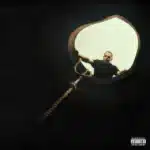
Released on 18 November 2022, Io non ho paura finds Ernia examining the anxieties that accompany adulthood, relationships and success. Following the melodic immediacy of Gemelli, the fourteen-track album gives greater prominence to uncomfortable questions and personal reflection. Its title sets up a tension that runs through the record: declaring an absence of fear becomes a way of confronting the many forms it can take. Ernia looks beyond his own career to consider social pressures, economic insecurity and the difficulty of imagining a stable future.
The opening “Tutti Hanno Paura”, featuring Marco Mengoni, establishes that shared sense of uncertainty. From there, the album moves between outward observation and intimate experiences, connecting public expectations with private doubts. “L’Impostore” addresses the insecurity that can persist even after recognition, while “Buonanotte” approaches the deeply personal subject of an abortion experienced within his relationship. These songs give the record emotional weight through specific situations, allowing vulnerability to become a central part of the writing rather than an occasional interruption to more confident performances.
The collaborations introduce contrasting voices without breaking that reflective thread. Rkomi appears on “Qualcosa Che Manca”, while Salmo joins Ernia on “Cattive Intenzioni”, bringing a sharper edge to the tracklist. “Acqua Tonica”, featuring Geolier and Junior K, provides a more immediately buoyant moment. The changes in mood give the album breathing space, balancing its heavier subjects with songs driven by rhythm, personality and memorable hooks.
On “Bastava La Metà”, Gaia and Guè add further contrasts in tone and delivery. Throughout the album, Ernia maintains the balance between intricate verses and accessible songwriting that had become a defining feature of his work. Melody remains important, but it often carries lyrics concerned with dissatisfaction, emotional distance or the gap between appearances and reality. The production supports those shifts, leaving room for both direct rap performances and more restrained passages where the subject takes precedence.
The project was expanded in 2023 with additional material, including “Parafulmini” with Bresh and Fabri Fibra, “Lewandowski X” and a remix of “Il Mio Nome” with Mara Sattei. Those additions broadened its range, while the original album retained a clear identity built around fear, responsibility and self-examination. Within Ernia’s catalogue, Io non ho paura develops the introspection of his earlier records into a more sustained consideration of adult life, showing how commercial success can coexist with uncertainty rather than resolve it.
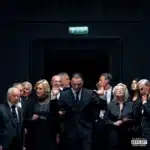
Released on 19 September 2025, Per soldi e per amore brings Ernia back almost three years after Io non ho paura. Its original twelve tracks place personal history, relationships and ambition within a compact project shaped by his collaboration with Charlie Charles. The title brings two powerful motivations into the same frame, inviting questions about what drives a career and what gives it meaning. Ernia approaches those questions through both reflective songwriting and more assertive rap performances, keeping his private concerns connected to his public identity.
The sequence opens with “Mi Ricordo”, placing memory at the entrance to the record, before “Figlio Di” introduces Club Dogo. Their appearance connects Ernia’s music with an influential part of Milan’s rap history, bringing contrasting voices into a project otherwise centred on his own perspective. “Il Gioco Del Silenzio” follows, establishing a sequence in which solo tracks and collaborations alternate rather than gathering all the guests into one part of the album. This gives the opening room to introduce different moods while retaining a clear central voice.
“Fellini”, featuring Kid Yugi, and “Da Denuncia”, with Marracash, provide further exchanges between distinctive writers. The guest list spans different generations of Italian rap, giving Ernia opportunities to vary the tone without overcrowding the tracklist. Madame completes the album’s four featured collaborations on “Perché”, adding another vocal contrast. Around these appearances, the solo material ensures that the project remains a sustained portrait of Ernia rather than a collection defined principally by its guests.
“Per I Loro Occhi”, “Per Te” and “Non Piangere” form part of the record’s more intimate framework, where direct forms of address bring the writing closer to the people behind its stories. Ernia’s melodic delivery allows these moments to sit naturally alongside the denser rap passages. Working throughout with Charlie Charles gives the album a consistent production foundation, while the changes in phrasing and vocal approach create variety within it. The balance between accessible songwriting and close attention to words continues a development heard across his previous releases.
The final stretch moves through “Berlino” and the title track before closing with “Grato”. That ending gives gratitude a deliberate place after an album concerned with competing desires and personal priorities. The relatively concise running time helps the sequence retain its focus, allowing each collaboration and solo performance to contribute without stretching the central ideas too thinly. Within Ernia’s catalogue, Per soldi e per amore brings his reflective writing and melodic instincts into a project that considers achievement alongside the relationships and experiences that give it value.
Ernia
Artist: Ernia
Real Name: Matteo Professione
Born: 29 November 1993, Milan
Roots: QT8, Milan
Active since: 2011
Style: Italian rap, introspective hip-hop and melodic rap
Debut album: Come uccidere un usignolo (2017) ↗
Biography
Ernia, born Matteo Professione in Milan on 29 November 1993, grew up in the city’s QT8 neighbourhood. His music combines technical rap, melodic hooks and personal storytelling, moving between sharp humour, social observation and reflections on insecurity, relationships and ambition. Rather than presenting success as a simple escape from everyday problems, he often explores the doubts and contradictions that remain after achieving it. This balance between confidence and vulnerability has become one of the defining features of his writing.
His first significant experience came in 2011 with Troupe D’Elite, the group he formed alongside Ghali, singer Maite and producer Fawzi. Their association with Tanta Roba, the label founded by Guè and DJ Harsh, brought early attention, although the project struggled to find a lasting audience. After the group’s experience ended, Ernia stepped away from music and spent time abroad, including a period living in London. These setbacks became an important part of his development, giving his later work a perspective shaped by disappointment and the need to start again.
Ernia returned to solo music with No Hooks in 2016, followed by Come uccidere un usignolo in 2017. The latter introduced a more focused artistic identity, combining agile delivery with carefully constructed stories and literary references. An expanded edition followed later that year, while 68 arrived in 2018 and broadened his sound with jazz and R&B influences. Across these releases, he developed a style that could move from competitive rap to reflective writing without losing its character, building the foundations for his breakthrough beyond the core hip-hop audience.
That wider breakthrough came with Gemelli in 2020. The success of “Superclassico” brought his music to a much larger public, showing how naturally his conversational writing could work within a melodic song. The album placed accessible tracks alongside more direct rap performances, making the contrast between his different musical sides central to the project. With Io non ho paura in 2022, he extended that approach into a broader examination of adulthood, touching on personal responsibility, social pressures and anxiety about the future.
In 2025, Ernia released Per soldi e per amore, a particularly personal project centred on family, friendship and the competing demands of ambition and emotional fulfilment. Collaborations with Marracash and Club Dogo also connected the record to artists whose writing helped shape his own. His development from an uncertain group debut to an established solo career reflects a consistent willingness to reassess himself. Whether delivering pointed bars or writing a melodic refrain, he keeps personal experience and the tensions of ordinary life at the centre of his music.
Albums

Released on 2 June 2017, Come uccidere un usignolo is the project that established Ernia’s identity as a solo artist. Its eight tracks introduce a rapper whose technical ability is matched by an interest in storytelling, emotional uncertainty and the contradictions of everyday life. Rather than building the record around a single persona, he moves between confidence and vulnerability, allowing sharp humour, frustration and sensitivity to coexist. The result is an early statement of the qualities that would distinguish his later work: precise writing, an adaptable delivery and songs that offer more than a straightforward display of skill.
The production gives Ernia room to vary his approach, moving between forceful verses and more melodic passages without losing the record’s overall character. “QT” and “Gotham” foreground his rhythmic control and ability to give a verse momentum, while other moments allow the atmosphere and the story to take greater prominence. His delivery can sound conversational before becoming more tightly structured, helping the songs retain a sense of personality even when the writing becomes dense. This variety makes the project feel broader than its relatively short running time suggests.
“Bella” reveals the melodic instinct that would become an increasingly important part of Ernia’s music. It provides a more immediately accessible point of entry into a project that also leaves space for darker moods and more demanding writing. On “Madonna”, he is joined by Rkomi, whose contrasting voice adds another dimension to the record. The collaboration sits within a tracklist that largely keeps the focus on Ernia himself, giving listeners time to become familiar with his phrasing, perspective and shifting emotional register.
The closing title track gives particular weight to narrative and the effects of judgement and exclusion. It draws together the more reflective side of the project, showing how Ernia can use a story to explore feelings that extend beyond his own immediate experience. Across the release, moments of bravado are repeatedly complicated by doubt or discomfort. That tension gives the writing depth: confidence is part of his voice, but it never becomes the only lens through which he presents himself or the people around him.
Later in 2017, the project was expanded with the 67 edition, which added eight tracks to the original material. The additional songs broadened its musical and lyrical range, with appearances from Guè on “Disgusting” and Mecna on “Tradimento (Il Traditore)”. The original eight-track release remains a concise introduction to Ernia’s solo work, while the expanded edition offers a fuller picture of his versatility during this formative period. Together, they document the foundations of a career built on the connection between rap technique, storytelling and melodic songwriting.

Released on 7 September 2018, 68 marked a more focused and introspective chapter in Ernia’s solo career. Following Come uccidere un usignolo, the twelve-track album develops his interest in personal storytelling while giving the music a darker, more cohesive atmosphere. Confidence and ambition remain present, but they sit alongside anxiety, difficult relationships and uncertainty about the future. Ernia’s technical precision serves these subjects, allowing him to move between tightly constructed verses and passages that feel closer to an unguarded conversation.
The album’s structure offers an additional way into its themes. Ernia conceived it to be heard backwards, beginning with the closing “La Paura” and moving towards the opening “King QT”. In that direction, the sequence traces a journey from fear towards the confidence and recognition he hoped to achieve. Heard in its conventional order, that same framework complicates the assertiveness of the opening tracks, gradually exposing the doubts beneath it. The relationship between those two perspectives gives the record a narrative thread without requiring every song to tell part of one continuous story.
Musically, 68 balances contemporary rap production with an emphasis on atmosphere and lyrical clarity. “Simba” gives Ernia space for a more forceful performance, while “Domani” brings his melodic instincts into sharper focus. Elsewhere, songs such as “Paranoia Mia” and “La Paura” contribute to the album’s uneasy emotional landscape. The shifts in delivery help distinguish the tracks while keeping them connected: ambition never entirely removes the anxiety, and the more reflective moments retain the sharpness of his rapping.
The original edition keeps guest appearances to a minimum, with Tedua joining Ernia on “Bro”. Their shared history gives the collaboration a personal place within an album largely carried by Ernia’s own voice. Keeping the focus so firmly on one performer allows his writing and changing moods to shape the listening experience. The record’s character emerges through the connections between individual songs, rather than through a succession of high-profile features.
In April 2019, the album was expanded as 68 (Till the End), adding seven tracks. These included “Certi Giorni” with Nitro and “Il Mondo Chico” with Lazza, widening the range of collaborations around the original material. The expanded edition offers a broader view of this period, while the twelve-track version retains the concentrated structure that defines 68. It captures Ernia developing a sustained album-length vision, bringing his storytelling, technical control and melodic sensibility into closer alignment.
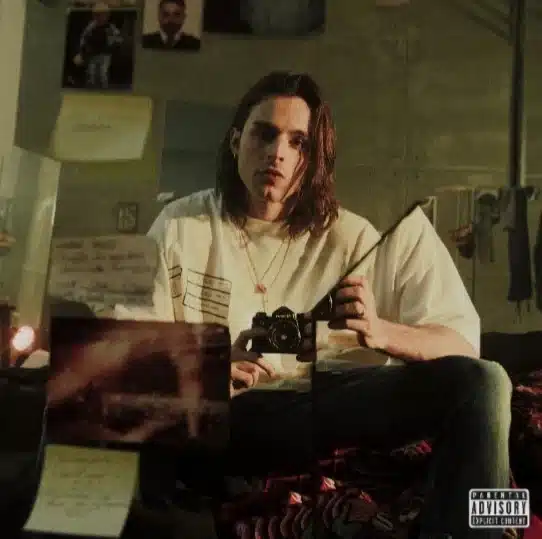
Released in June 2020, Gemelli brings Ernia’s melodic songwriting into greater prominence while retaining the technical rapping and personal observations of his earlier work. Across its original twelve tracks, he moves between relationships, ambition, disappointment and moments of deliberate bravado. The album gives these different sides of his personality room to coexist, pairing immediately memorable songs with more forceful collaborations. Its appeal rests partly on that variety: Ernia can make a chorus feel effortless, then return to a densely written verse without sounding like an entirely different artist.
“Superclassico” is central to the album’s character, placing emotional uncertainty within a song built around a strong melodic hook. It shows how Ernia can make complicated feelings accessible without weighing the writing down with elaborate explanations. “Ferma A Guardare” offers another example of his growing confidence with melody, while tracks such as “Morto Dentro”, “MeryXSempre” and “Pensavo Di Ucciderti” bring different shades of tension to the record. Relationships provide much of its emotional material, but affection is frequently accompanied by frustration, distance or conflicting expectations.
The more assertive side of the album emerges clearly on “Puro Sinaloa”, which brings together Tedua, Rkomi and Lazza. The succession of contrasting voices gives the track its momentum and provides a counterweight to the album’s more intimate songs. On “Non Me Ne Frega Un Cazzo”, Fabri Fibra adds another distinctive presence, reinforcing the record’s connection to direct, uncompromising rap.
Other collaborations fit into the album’s more personal territory. Shiva appears on “MeryXSempre”, while Luchè joins Ernia on “Pensavo Di Ucciderti”. Madame contributes to “Fuoriluogo”, adding a further contrast in vocal delivery. These appearances broaden the record’s range without displacing its central voice: Ernia remains the link between its melodic passages, darker reflections and more competitive performances.
The project continued to develop after its initial release. A new version of “Ferma A Guardare”, featuring Pinguini Tattici Nucleari, arrived in 2021, followed by the expanded Gemelli (ascendente Milano) edition. These additions extended the life of an album that made melody an increasingly important part of Ernia’s identity. Within his catalogue, Gemelli captures a clear progression from the concentrated introspection of 68 towards a broader sound, with accessible choruses sitting alongside the detailed writing and rhythmic control that had established him as a rapper.
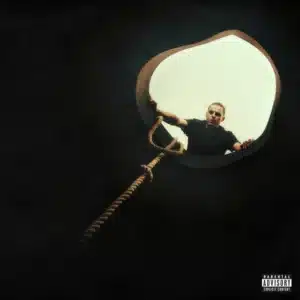
Released on 18 November 2022, Io non ho paura finds Ernia examining the anxieties that accompany adulthood, relationships and success. Following the melodic immediacy of Gemelli, the fourteen-track album gives greater prominence to uncomfortable questions and personal reflection. Its title sets up a tension that runs through the record: declaring an absence of fear becomes a way of confronting the many forms it can take. Ernia looks beyond his own career to consider social pressures, economic insecurity and the difficulty of imagining a stable future.
The opening “Tutti Hanno Paura”, featuring Marco Mengoni, establishes that shared sense of uncertainty. From there, the album moves between outward observation and intimate experiences, connecting public expectations with private doubts. “L’Impostore” addresses the insecurity that can persist even after recognition, while “Buonanotte” approaches the deeply personal subject of an abortion experienced within his relationship. These songs give the record emotional weight through specific situations, allowing vulnerability to become a central part of the writing rather than an occasional interruption to more confident performances.
The collaborations introduce contrasting voices without breaking that reflective thread. Rkomi appears on “Qualcosa Che Manca”, while Salmo joins Ernia on “Cattive Intenzioni”, bringing a sharper edge to the tracklist. “Acqua Tonica”, featuring Geolier and Junior K, provides a more immediately buoyant moment. The changes in mood give the album breathing space, balancing its heavier subjects with songs driven by rhythm, personality and memorable hooks.
On “Bastava La Metà”, Gaia and Guè add further contrasts in tone and delivery. Throughout the album, Ernia maintains the balance between intricate verses and accessible songwriting that had become a defining feature of his work. Melody remains important, but it often carries lyrics concerned with dissatisfaction, emotional distance or the gap between appearances and reality. The production supports those shifts, leaving room for both direct rap performances and more restrained passages where the subject takes precedence.
The project was expanded in 2023 with additional material, including “Parafulmini” with Bresh and Fabri Fibra, “Lewandowski X” and a remix of “Il Mio Nome” with Mara Sattei. Those additions broadened its range, while the original album retained a clear identity built around fear, responsibility and self-examination. Within Ernia’s catalogue, Io non ho paura develops the introspection of his earlier records into a more sustained consideration of adult life, showing how commercial success can coexist with uncertainty rather than resolve it.
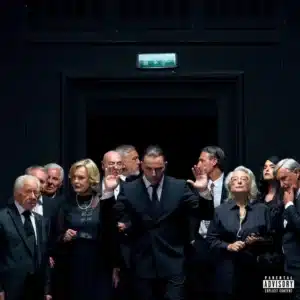
Released on 19 September 2025, Per soldi e per amore brings Ernia back almost three years after Io non ho paura. Its original twelve tracks place personal history, relationships and ambition within a compact project shaped by his collaboration with Charlie Charles. The title brings two powerful motivations into the same frame, inviting questions about what drives a career and what gives it meaning. Ernia approaches those questions through both reflective songwriting and more assertive rap performances, keeping his private concerns connected to his public identity.
The sequence opens with “Mi Ricordo”, placing memory at the entrance to the record, before “Figlio Di” introduces Club Dogo. Their appearance connects Ernia’s music with an influential part of Milan’s rap history, bringing contrasting voices into a project otherwise centred on his own perspective. “Il Gioco Del Silenzio” follows, establishing a sequence in which solo tracks and collaborations alternate rather than gathering all the guests into one part of the album. This gives the opening room to introduce different moods while retaining a clear central voice.
“Fellini”, featuring Kid Yugi, and “Da Denuncia”, with Marracash, provide further exchanges between distinctive writers. The guest list spans different generations of Italian rap, giving Ernia opportunities to vary the tone without overcrowding the tracklist. Madame completes the album’s four featured collaborations on “Perché”, adding another vocal contrast. Around these appearances, the solo material ensures that the project remains a sustained portrait of Ernia rather than a collection defined principally by its guests.
“Per I Loro Occhi”, “Per Te” and “Non Piangere” form part of the record’s more intimate framework, where direct forms of address bring the writing closer to the people behind its stories. Ernia’s melodic delivery allows these moments to sit naturally alongside the denser rap passages. Working throughout with Charlie Charles gives the album a consistent production foundation, while the changes in phrasing and vocal approach create variety within it. The balance between accessible songwriting and close attention to words continues a development heard across his previous releases.
The final stretch moves through “Berlino” and the title track before closing with “Grato”. That ending gives gratitude a deliberate place after an album concerned with competing desires and personal priorities. The relatively concise running time helps the sequence retain its focus, allowing each collaboration and solo performance to contribute without stretching the central ideas too thinly. Within Ernia’s catalogue, Per soldi e per amore brings his reflective writing and melodic instincts into a project that considers achievement alongside the relationships and experiences that give it value.