


Shiva

Artist: Shiva
Real name: Andrea Arrigoni
Born: 27 August 1999, Legnano
Roots: Milan
Active since: 2015
Style: Italian hip-hop, trap and drill
Debut album: Tempo anima (2017) ↗
Biography
Shiva, real name Andrea Arrigoni, was born on 27 August 1999 and grew up in Milan. He began making music as a teenager, developing his style through online videos, freestyle and early independent releases. His first recordings introduced a young rapper with an urgent delivery and a taste for dark, personal subjects. Signing with Honiro Label gave him the opportunity to develop those beginnings into his debut album, Tempo anima (2017), followed by Solo (2018).
After leaving Honiro, Shiva began building the identity that would bring him to a much wider audience. Songs such as “Santana”, “Come no” and “Bossoli” combined direct writing with memorable hooks, while “Mon fre”, recorded with Emis Killa, helped establish his presence in Italian rap. His partnership with Sfera Ebbasta on “Soldi in nero” became another important step in his rise.
With Routine EP (2020), Shiva expanded his audience through collaborations with Marracash and Capo Plaza. The same year, “Auto blu” brought his music beyond the core rap audience. His next album, Dolce vita (2021), developed the balance between forceful rap and melodic songwriting, with appearances from Lil Baby, Paky and Guè.
Dark Love EP (2022) gave greater space to relationships and emotional vulnerability, while Milano Demons, released later that year, brought together the different sides of his music on a larger scale. Tracks including “Take 4”, “Non lo Sai” and “Alleluia” helped make it a defining release in his career. Collaborations with Lazza, Tedua and Geolier also reflected his growing position within the Italian scene.
He followed with Santana Season (2023) and Milano Angels (2024), continuing to move between street narratives, ambition, loyalty and more reflective material. His delivery can shift from clipped, aggressive verses to sung refrains, allowing harder tracks and intimate songs to sit alongside one another. Across these releases, the recurring Santana identity became a recognisable thread connecting his music, imagery and relationship with his audience.
In 2025, Shiva reunited with Sfera Ebbasta for the collaborative album SANTANA MONEY GANG, extending a partnership that had begun years earlier. He returned to his solo discography with Vangelo (2026), featuring artists including Anna and Kid Yugi. From his teenage recordings to these larger projects, his career traces the development of a rapper whose appeal rests on the combination of intensity, melody and personal expression.
Albums
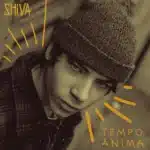
Released on 27 January 2017 through Honiro Label, Tempo anima is Shiva’s debut studio album. Recorded while he was still a teenager, its ten tracks introduce a more introspective sound than the trap records that later brought him mainstream success. The emphasis falls on his verses, with a youthful urgency running through songs about uncertainty, isolation and the search for a place in the world.
Tracks such as “Ai fantasmi”, “Buio” and “Anima” establish the record’s reflective atmosphere. Shiva’s delivery is direct and sometimes raw, giving the music the character of an artist working through his thoughts rather than presenting a polished public persona. The production leaves room for the writing, while changes in pace and mood keep the album from settling into a single emotional register.
The guest appearances connect Shiva with the independent rap scene surrounding his early career. Cranio Randagio and Parix Hilton join him on “Inspiria”, Mostro appears on “Ragnatele”, and Sercho contributes to “Verso orizzonti”. These collaborations sit naturally within the album’s focus on personal expression, giving different voices space without taking attention away from its young lead artist.
Within Shiva’s discography, Tempo anima captures an early stage before the Santana identity, bigger hooks and high-profile collaborations became central to his music. Its appeal lies in hearing those beginnings: a young rapper testing his voice, putting his writing first and laying the groundwork for the changes that would follow.

Released on 26 March 2018 through Honiro Label, Solo is Shiva’s second studio album. Its ten tracks capture him developing his identity after Tempo anima, with a more assertive delivery alongside the introspection of his debut. Still at an early stage in his career, he puts his voice and writing at the centre of a compact record.
“Il mio nome” opens the album, followed by “Ragazzi miei”, “Acciaio” and “Diego”. Across the record, forceful performances sit alongside more reflective passages, giving Shiva room to express both confidence and vulnerability. The contrast between those moods makes Solo an interesting introduction to an artist whose sound would continue to change considerably.
The guest appearances come from the rap scene surrounding his early work. Mostro joins him on “Acciaio”, Giaime appears on “Teste di cazzo”, and Oni One and Nerone contribute to “Barrio”. Sercho features on “Lassù”, renewing a partnership already heard on Shiva’s debut. These collaborations bring different voices into the record while keeping its focus firmly on Shiva.
Solo also marks the closing chapter of his time with Honiro. Later in 2018, “Santana” would introduce the next phase of his career, followed by the singles that brought him wider recognition. Heard in that context, the album documents a young rapper refining his delivery and building confidence before his commercial breakthrough.

Released on 11 June 2021, Dolce vita is Shiva’s third studio album and his first full-length release since Solo. It arrived after the success of singles such as “Mon fre”, “Soldi in nero” and “Auto blu”, with Shiva now reaching a much larger audience. The record brings that increased confidence into a mixture of trap, melodic hooks and more personal writing.
The opening title track sets the tone, while “I can fly” and “La mia storia” give space to reflection and ambition. Elsewhere, “Mastercard”, featuring American rapper Lil Baby, connects Shiva’s music directly with the US trap scene. Songs including “Collane e bugie”, “Superstar” and “Problema” explore the tension between success, relationships and distrust, moving between outward confidence and moments of vulnerability.
The expanded digital tracklist includes “Fendi belt”, with Paky, and “Non sai niente”, featuring Guè. These collaborations bring contrasting voices to the project: Paky’s rough delivery complements its harder edge, while Guè adds the presence of an established figure in Milan rap. Alongside Lil Baby’s appearance, they broaden the album’s range without changing its focus on Shiva.
Dolce vita marks an important stage between Shiva’s early Honiro recordings and the larger projects that followed. His delivery is more controlled, the refrains take a stronger role, and the production gives his voice room to move between rapping and melody. The album establishes an approach he would develop further on Milano Demons, balancing immediate, accessible songs with a more guarded and personal side. “` :chatgpt-content-reference{index=”0″}
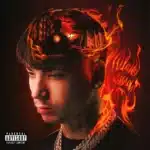
Released on 25 November 2022, Milano Demons is Shiva’s fourth studio album. Its 18 tracks bring together the harder trap sound and melodic songwriting he had developed across Dolce vita and Dark Love EP. Milan provides the setting for a record concerned with ambition, loyalty, relationships and the unease that can accompany success.
The opening title track establishes a dark atmosphere, while “Take 4” and “Soldi Puliti” highlight Shiva’s forceful delivery. Alongside these harder moments, songs such as “Diamante”, “Non lo Sai” and “Se Fosse Per Me” give more space to melody and reflection. This movement between confidence and vulnerability gives the album variety, with Shiva adapting his voice to both confrontational verses and more intimate refrains.
The collaborations are central to the record’s range. Lazza joins Shiva on “Vorrei”, while Tedua appears on “Cicatrici”. “Alleluia” renews his partnership with Sfera Ebbasta, and “Un Altro Show” brings in Geolier. Other guests include Pyrex and Slings on “Rollie AP”, Rhove and Bianca Costa on “Cellphone”, and Federica Abbate on “Dimenticare”.
Milano Demons became an important commercial breakthrough, reaching number one on the Italian albums chart. It also presents a fuller picture of Shiva’s musical identity: the assertive Santana persona sits alongside songs shaped by doubt, attachment and distrust. The combination of strong solo performances, varied collaborations and memorable hooks helped establish the album as a defining release in his career. “` :chatgpt-content-reference{index=”0″}
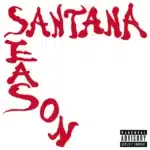
Released on 9 June 2023, Santana Season is Shiva’s fifth studio album. Arriving little more than six months after Milano Demons, it presents a shorter, more concentrated project, with 13 tracks built around his established Santana identity. Hard trap rhythms sit alongside melodic passages, giving the record space for both assertive performances and more personal moments.
The opening title track leads into “Bibidi Bobidi Bu”, featuring Paky, and “100 OPPS”, establishing an energetic opening sequence. Elsewhere, “Arsenico” and “Diversi” offer a contrast to the more confrontational tracks. The running order keeps the album compact while allowing changes in delivery and atmosphere.
The guest list brings together Italian collaborators and international voices. Geolier appears on “Elicotteri”, while “Riflessi rossi” pairs Shiva with Guè and Luchè. “Un milione di volte” continues his partnership with Sfera Ebbasta. YOVNGCHIMI joins Shiva and Finesse on “Whip”, while Tiago PZK and Rvssian contribute to “Soli”, extending the project’s reach into Latin urban music.
The closing “Champagne + Tiffany” runs for more than five minutes, giving the final track considerably more room than most of the album’s concise songs. Within Shiva’s discography, Santana Season consolidates the sound developed on his preceding releases, with familiar partnerships and international collaborations adding variety to a project centred on his own voice. “` :chatgpt-content-reference{index=”0″}
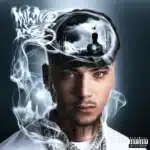
Released on 6 September 2024, Milano Angels is Shiva’s sixth studio album. Following Milano Demons and Santana Season, it continues his exploration of ambition, loyalty and relationships, with a stronger emphasis on personal reflection. Hard trap production and melodic refrains provide the setting for songs that move between defiance, uncertainty and affection.
The title track and “Take 5” anchor the album’s assertive side, while “Tutto o Nada”, “Cambierà” and “6 AM” give more space to melody. Shiva shifts between tightly delivered verses and sung passages, varying the intensity without losing the record’s underlying tension. The contrast between public confidence and private vulnerability runs through much of the project.
The collaborations connect his established Italian partnerships with American guests. “Let’s Go” features Paky and NLE Choppa, while Lil Tjay appears on “Replay”. Kid Yugi joins him on “Gotham”, Geolier contributes to “Don’t Cry No More”, and Tedua appears on “Paradise”. Other guests include Tony Boy on “Polvere” and Mondo Marcio on “Sete”, adding contrasting voices across the tracklist.
“Lettera a Draco” brings a particularly personal dimension to the album through its address to Shiva’s son. Alongside the harder performances and international collaborations, it gives the project an emotional centre rooted in family. Within his discography, Milano Angels develops the scale and variety of Milano Demons while allowing more room for intimate writing, showing how his melodic approach can carry both forceful declarations and quieter reflection.

Released on 11 April 2025, SANTANA MONEY GANG is a collaborative album by Shiva and Sfera Ebbasta. Its 12 tracks turn a longstanding musical partnership into a full project, following earlier collaborations such as “Soldi in nero”, “Alleluia” and “Un milione di volte”. The record brings together two recognisable voices in Italian trap, with both artists sharing the spotlight throughout.
Their contrasting deliveries give the album its character. Sfera Ebbasta’s melodic phrasing and relaxed confidence sit alongside Shiva’s sharper, more forceful performances. Both move between verses and hooks, creating songs built around their exchanges. The production provides a consistent setting of heavy bass, programmed drums and atmospheric melodies.
Money, status, loyalty and relationships run through the writing, connecting the project to subjects familiar from both artists’ solo records. The emphasis falls on direct performances and memorable refrains, with the chemistry between the two voices holding the album together. Its compact format keeps attention on that partnership and the way each rapper responds to the other.
Within Shiva’s discography, SANTANA MONEY GANG offers a change from the more personal focus of Milano Angels, placing collaboration at the centre of the record. For Sfera Ebbasta, it extends a connection with an artist whose rise he had already accompanied through several important tracks. The result captures their shared musical ground while leaving room for the differences in their voices and delivery.
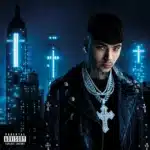
Released on 10 April 2026, Vangelo follows Shiva’s collaborative album with Sfera Ebbasta, SANTANA MONEY GANG, and returns the focus to his solo work. The original 13-track release brings religious imagery into a record that moves between forceful trap performances and more reflective songs. Titles such as “Peccati”, “Dio Esiste” and “Bacio di Giuda” establish a recurring vocabulary of faith, betrayal and conscience.
“V per Vangelo” opens the album, followed by “Polvere Rosa” and “Obsessed”, featuring Anna. “Take 6” continues Shiva’s longstanding series, while the longer “Dio Esiste” gives him considerably more room than the surrounding tracks. The sequence balances concise collaborations with solo performances, allowing changes in pace across the album.
The guests bring contrasting voices to the project. Geolier joins Shiva on “Bad Bad Bad”, and Kid Yugi appears on “Babyface”. “Mayday” brings together Lazza and Sfera Ebbasta, while Tiziano Ferro’s appearance on “Bacio di Giuda” introduces a collaboration beyond Shiva’s usual circle of rap partners.
The closing sequence of “Risorgere” and “Coscienza” returns attention to Shiva himself, reinforcing the reflective thread suggested by the album’s imagery. Within his discography, Vangelo brings familiar collaborators into a project with a more explicitly spiritual frame. Its combination of direct rap, melodic passages and contrasting guests continues the musical range developed across Milano Demons and Milano Angels.
Shiva
Artist: Shiva
Real name: Andrea Arrigoni
Born: 27 August 1999, Legnano
Roots: Milan
Active since: 2015
Style: Italian hip-hop, trap and drill
Debut album: Tempo anima (2017) ↗
Biography
Shiva, real name Andrea Arrigoni, was born on 27 August 1999 and grew up in Milan. He began making music as a teenager, developing his style through online videos, freestyle and early independent releases. His first recordings introduced a young rapper with an urgent delivery and a taste for dark, personal subjects. Signing with Honiro Label gave him the opportunity to develop those beginnings into his debut album, Tempo anima (2017), followed by Solo (2018).
After leaving Honiro, Shiva began building the identity that would bring him to a much wider audience. Songs such as “Santana”, “Come no” and “Bossoli” combined direct writing with memorable hooks, while “Mon fre”, recorded with Emis Killa, helped establish his presence in Italian rap. His partnership with Sfera Ebbasta on “Soldi in nero” became another important step in his rise.
With Routine EP (2020), Shiva expanded his audience through collaborations with Marracash and Capo Plaza. The same year, “Auto blu” brought his music beyond the core rap audience. His next album, Dolce vita (2021), developed the balance between forceful rap and melodic songwriting, with appearances from Lil Baby, Paky and Guè.
Dark Love EP (2022) gave greater space to relationships and emotional vulnerability, while Milano Demons, released later that year, brought together the different sides of his music on a larger scale. Tracks including “Take 4”, “Non lo Sai” and “Alleluia” helped make it a defining release in his career. Collaborations with Lazza, Tedua and Geolier also reflected his growing position within the Italian scene.
He followed with Santana Season (2023) and Milano Angels (2024), continuing to move between street narratives, ambition, loyalty and more reflective material. His delivery can shift from clipped, aggressive verses to sung refrains, allowing harder tracks and intimate songs to sit alongside one another. Across these releases, the recurring Santana identity became a recognisable thread connecting his music, imagery and relationship with his audience.
In 2025, Shiva reunited with Sfera Ebbasta for the collaborative album SANTANA MONEY GANG, extending a partnership that had begun years earlier. He returned to his solo discography with Vangelo (2026), featuring artists including Anna and Kid Yugi. From his teenage recordings to these larger projects, his career traces the development of a rapper whose appeal rests on the combination of intensity, melody and personal expression.
Albums
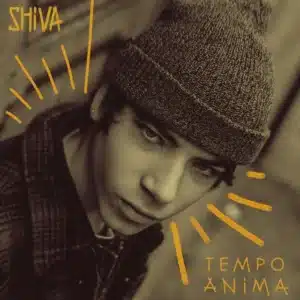
Released on 27 January 2017 through Honiro Label, Tempo anima is Shiva’s debut studio album. Recorded while he was still a teenager, its ten tracks introduce a more introspective sound than the trap records that later brought him mainstream success. The emphasis falls on his verses, with a youthful urgency running through songs about uncertainty, isolation and the search for a place in the world.
Tracks such as “Ai fantasmi”, “Buio” and “Anima” establish the record’s reflective atmosphere. Shiva’s delivery is direct and sometimes raw, giving the music the character of an artist working through his thoughts rather than presenting a polished public persona. The production leaves room for the writing, while changes in pace and mood keep the album from settling into a single emotional register.
The guest appearances connect Shiva with the independent rap scene surrounding his early career. Cranio Randagio and Parix Hilton join him on “Inspiria”, Mostro appears on “Ragnatele”, and Sercho contributes to “Verso orizzonti”. These collaborations sit naturally within the album’s focus on personal expression, giving different voices space without taking attention away from its young lead artist.
Within Shiva’s discography, Tempo anima captures an early stage before the Santana identity, bigger hooks and high-profile collaborations became central to his music. Its appeal lies in hearing those beginnings: a young rapper testing his voice, putting his writing first and laying the groundwork for the changes that would follow.

Released on 26 March 2018 through Honiro Label, Solo is Shiva’s second studio album. Its ten tracks capture him developing his identity after Tempo anima, with a more assertive delivery alongside the introspection of his debut. Still at an early stage in his career, he puts his voice and writing at the centre of a compact record.
“Il mio nome” opens the album, followed by “Ragazzi miei”, “Acciaio” and “Diego”. Across the record, forceful performances sit alongside more reflective passages, giving Shiva room to express both confidence and vulnerability. The contrast between those moods makes Solo an interesting introduction to an artist whose sound would continue to change considerably.
The guest appearances come from the rap scene surrounding his early work. Mostro joins him on “Acciaio”, Giaime appears on “Teste di cazzo”, and Oni One and Nerone contribute to “Barrio”. Sercho features on “Lassù”, renewing a partnership already heard on Shiva’s debut. These collaborations bring different voices into the record while keeping its focus firmly on Shiva.
Solo also marks the closing chapter of his time with Honiro. Later in 2018, “Santana” would introduce the next phase of his career, followed by the singles that brought him wider recognition. Heard in that context, the album documents a young rapper refining his delivery and building confidence before his commercial breakthrough.
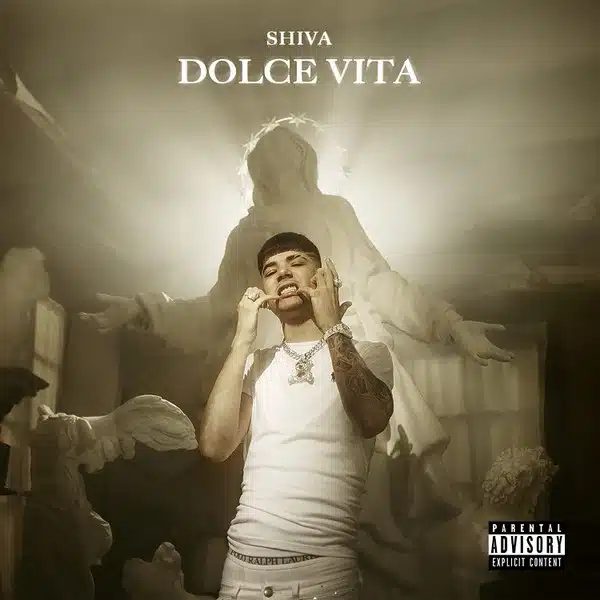
Released on 11 June 2021, Dolce vita is Shiva’s third studio album and his first full-length release since Solo. It arrived after the success of singles such as “Mon fre”, “Soldi in nero” and “Auto blu”, with Shiva now reaching a much larger audience. The record brings that increased confidence into a mixture of trap, melodic hooks and more personal writing.
The opening title track sets the tone, while “I can fly” and “La mia storia” give space to reflection and ambition. Elsewhere, “Mastercard”, featuring American rapper Lil Baby, connects Shiva’s music directly with the US trap scene. Songs including “Collane e bugie”, “Superstar” and “Problema” explore the tension between success, relationships and distrust, moving between outward confidence and moments of vulnerability.
The expanded digital tracklist includes “Fendi belt”, with Paky, and “Non sai niente”, featuring Guè. These collaborations bring contrasting voices to the project: Paky’s rough delivery complements its harder edge, while Guè adds the presence of an established figure in Milan rap. Alongside Lil Baby’s appearance, they broaden the album’s range without changing its focus on Shiva.
Dolce vita marks an important stage between Shiva’s early Honiro recordings and the larger projects that followed. His delivery is more controlled, the refrains take a stronger role, and the production gives his voice room to move between rapping and melody. The album establishes an approach he would develop further on Milano Demons, balancing immediate, accessible songs with a more guarded and personal side. “` :chatgpt-content-reference{index=”0″}
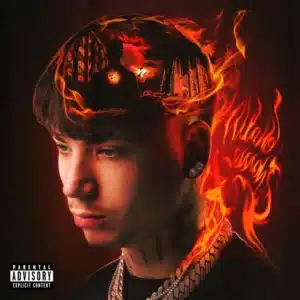
Released on 25 November 2022, Milano Demons is Shiva’s fourth studio album. Its 18 tracks bring together the harder trap sound and melodic songwriting he had developed across Dolce vita and Dark Love EP. Milan provides the setting for a record concerned with ambition, loyalty, relationships and the unease that can accompany success.
The opening title track establishes a dark atmosphere, while “Take 4” and “Soldi Puliti” highlight Shiva’s forceful delivery. Alongside these harder moments, songs such as “Diamante”, “Non lo Sai” and “Se Fosse Per Me” give more space to melody and reflection. This movement between confidence and vulnerability gives the album variety, with Shiva adapting his voice to both confrontational verses and more intimate refrains.
The collaborations are central to the record’s range. Lazza joins Shiva on “Vorrei”, while Tedua appears on “Cicatrici”. “Alleluia” renews his partnership with Sfera Ebbasta, and “Un Altro Show” brings in Geolier. Other guests include Pyrex and Slings on “Rollie AP”, Rhove and Bianca Costa on “Cellphone”, and Federica Abbate on “Dimenticare”.
Milano Demons became an important commercial breakthrough, reaching number one on the Italian albums chart. It also presents a fuller picture of Shiva’s musical identity: the assertive Santana persona sits alongside songs shaped by doubt, attachment and distrust. The combination of strong solo performances, varied collaborations and memorable hooks helped establish the album as a defining release in his career. “` :chatgpt-content-reference{index=”0″}
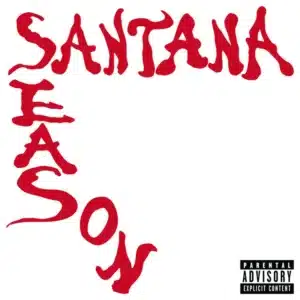
Released on 9 June 2023, Santana Season is Shiva’s fifth studio album. Arriving little more than six months after Milano Demons, it presents a shorter, more concentrated project, with 13 tracks built around his established Santana identity. Hard trap rhythms sit alongside melodic passages, giving the record space for both assertive performances and more personal moments.
The opening title track leads into “Bibidi Bobidi Bu”, featuring Paky, and “100 OPPS”, establishing an energetic opening sequence. Elsewhere, “Arsenico” and “Diversi” offer a contrast to the more confrontational tracks. The running order keeps the album compact while allowing changes in delivery and atmosphere.
The guest list brings together Italian collaborators and international voices. Geolier appears on “Elicotteri”, while “Riflessi rossi” pairs Shiva with Guè and Luchè. “Un milione di volte” continues his partnership with Sfera Ebbasta. YOVNGCHIMI joins Shiva and Finesse on “Whip”, while Tiago PZK and Rvssian contribute to “Soli”, extending the project’s reach into Latin urban music.
The closing “Champagne + Tiffany” runs for more than five minutes, giving the final track considerably more room than most of the album’s concise songs. Within Shiva’s discography, Santana Season consolidates the sound developed on his preceding releases, with familiar partnerships and international collaborations adding variety to a project centred on his own voice. “` :chatgpt-content-reference{index=”0″}
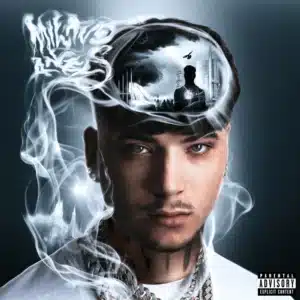
Released on 6 September 2024, Milano Angels is Shiva’s sixth studio album. Following Milano Demons and Santana Season, it continues his exploration of ambition, loyalty and relationships, with a stronger emphasis on personal reflection. Hard trap production and melodic refrains provide the setting for songs that move between defiance, uncertainty and affection.
The title track and “Take 5” anchor the album’s assertive side, while “Tutto o Nada”, “Cambierà” and “6 AM” give more space to melody. Shiva shifts between tightly delivered verses and sung passages, varying the intensity without losing the record’s underlying tension. The contrast between public confidence and private vulnerability runs through much of the project.
The collaborations connect his established Italian partnerships with American guests. “Let’s Go” features Paky and NLE Choppa, while Lil Tjay appears on “Replay”. Kid Yugi joins him on “Gotham”, Geolier contributes to “Don’t Cry No More”, and Tedua appears on “Paradise”. Other guests include Tony Boy on “Polvere” and Mondo Marcio on “Sete”, adding contrasting voices across the tracklist.
“Lettera a Draco” brings a particularly personal dimension to the album through its address to Shiva’s son. Alongside the harder performances and international collaborations, it gives the project an emotional centre rooted in family. Within his discography, Milano Angels develops the scale and variety of Milano Demons while allowing more room for intimate writing, showing how his melodic approach can carry both forceful declarations and quieter reflection.
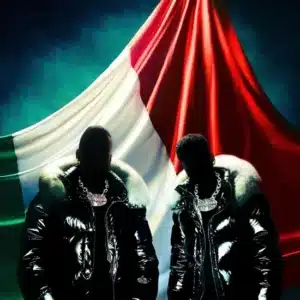
Released on 11 April 2025, SANTANA MONEY GANG is a collaborative album by Shiva and Sfera Ebbasta. Its 12 tracks turn a longstanding musical partnership into a full project, following earlier collaborations such as “Soldi in nero”, “Alleluia” and “Un milione di volte”. The record brings together two recognisable voices in Italian trap, with both artists sharing the spotlight throughout.
Their contrasting deliveries give the album its character. Sfera Ebbasta’s melodic phrasing and relaxed confidence sit alongside Shiva’s sharper, more forceful performances. Both move between verses and hooks, creating songs built around their exchanges. The production provides a consistent setting of heavy bass, programmed drums and atmospheric melodies.
Money, status, loyalty and relationships run through the writing, connecting the project to subjects familiar from both artists’ solo records. The emphasis falls on direct performances and memorable refrains, with the chemistry between the two voices holding the album together. Its compact format keeps attention on that partnership and the way each rapper responds to the other.
Within Shiva’s discography, SANTANA MONEY GANG offers a change from the more personal focus of Milano Angels, placing collaboration at the centre of the record. For Sfera Ebbasta, it extends a connection with an artist whose rise he had already accompanied through several important tracks. The result captures their shared musical ground while leaving room for the differences in their voices and delivery.
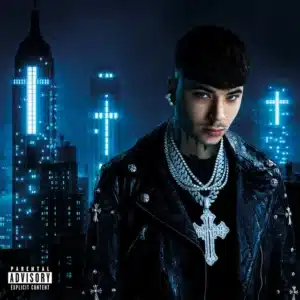
Released on 10 April 2026, Vangelo follows Shiva’s collaborative album with Sfera Ebbasta, SANTANA MONEY GANG, and returns the focus to his solo work. The original 13-track release brings religious imagery into a record that moves between forceful trap performances and more reflective songs. Titles such as “Peccati”, “Dio Esiste” and “Bacio di Giuda” establish a recurring vocabulary of faith, betrayal and conscience.
“V per Vangelo” opens the album, followed by “Polvere Rosa” and “Obsessed”, featuring Anna. “Take 6” continues Shiva’s longstanding series, while the longer “Dio Esiste” gives him considerably more room than the surrounding tracks. The sequence balances concise collaborations with solo performances, allowing changes in pace across the album.
The guests bring contrasting voices to the project. Geolier joins Shiva on “Bad Bad Bad”, and Kid Yugi appears on “Babyface”. “Mayday” brings together Lazza and Sfera Ebbasta, while Tiziano Ferro’s appearance on “Bacio di Giuda” introduces a collaboration beyond Shiva’s usual circle of rap partners.
The closing sequence of “Risorgere” and “Coscienza” returns attention to Shiva himself, reinforcing the reflective thread suggested by the album’s imagery. Within his discography, Vangelo brings familiar collaborators into a project with a more explicitly spiritual frame. Its combination of direct rap, melodic passages and contrasting guests continues the musical range developed across Milano Demons and Milano Angels.