


Luchè
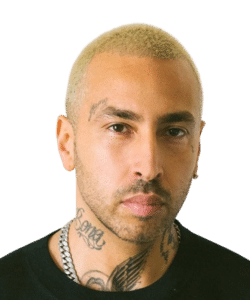
Artist: Luchè
Real Name: Luca Imprudente
Born: 7 January 1981, Naples
Roots: Marianella, Naples
Active since: 1997
Style: Neapolitan rap, hip-hop and trap
Debut solo album: L1 (2012) ↗
Biography
Luchè, born Luca Imprudente in Naples in 1981, developed his musical identity in Marianella, a neighbourhood in the northern part of the city. He began making music in the late 1990s and became known as one half of Co’Sang alongside Ntò. Their debut album, Chi more pe’ mme (2005), followed by Vita bona (2009), established the duo as an important voice in Neapolitan hip-hop. Rapping in their own language, they described neighbourhood life, inequality, loyalty and the consequences of violence through detailed storytelling. Luchè also contributed extensively to the production, helping shape the sound as well as the lyrics.
After Co’Sang separated in 2012, Luchè began his solo recording career with L1, released that same year. The transition gave him room to develop a more individual perspective and explore different musical settings beyond the duo’s established approach. L2 followed in 2014 through Roccia Music, connecting him with a wider national rap network. Collaborations with Marracash and Clementino sat alongside songs about ambition, disappointment and belonging. These early solo albums documented a difficult rebuilding period while introducing the mixture of confidence and vulnerability that would become central to his later work.
Malammore (2016) marked a major turning point. Songs including “O’ Primmo Ammore”, “Che Dio Mi Benedica” and “Il Mio Nome” brought greater attention to his combination of street narratives, emotional writing and memorable melodies. His music could move from forceful declarations to troubled relationships without losing its connection to Naples. The album also featured Guè on “Bello”. With Potere (2018), Luchè built on that momentum, developing a broader sound and reaching an increasingly large audience. The expanded Potere (Il giorno dopo) followed in 2019, extending a period that established him among the leading names in contemporary Italian rap.
His fifth solo album, Dove volano le aquile (2022), debuted at number one in Italy and brought together introspective songwriting, ambitious production and prominent collaborations. Its guests included Sfera Ebbasta, while the record continued his exploration of success, distrust, relationships and the distance between public confidence and private uncertainty. An expanded second volume arrived in 2023. Alongside his own recordings, Luchè developed BFM Music, creating another outlet for his work as a producer and supporter of emerging artists. His career increasingly connected the generation that established Neapolitan rap nationally with younger performers reshaping its sound.
In 2024, Luchè and Ntò reunited as Co’Sang for Dinastia, their first album together in fifteen years. Featuring contributions from Club Dogo, Marracash, Geolier and Liberato, the project returned the duo to the centre of the scene they had helped build. Luchè resumed his solo discography with Il mio lato peggiore (2025), combining an aggressive, outspoken approach with more intimate material. He subsequently entered the Sanremo Music Festival in 2026 with “Labirinto”. Across his group and solo work, his distinctive voice rests on the relationship between place and personal experience: Naples remains a foundation, while his writing follows the changing ambitions, relationships and doubts of a long career.
Albums

Released on 19 June 2012, L1 is Luchè’s debut solo album, arriving shortly after the break-up of Co’Sang. Its 12 tracks introduce a different direction from the duo’s recordings: Luchè moves into Italian-language songwriting while retaining his recognisable Neapolitan cadence. Released through Arealive and distributed by Edel Italia, the album captures the beginning of his attempt to establish an identity beyond the group that had first brought him recognition.
“Appena il mondo sarà mio” and “S’il vous plait” introduced the project through videos ahead of its release. The production broadens his musical setting, bringing electronic textures, melodic hooks and elements of pop and rock into the rap framework. Working with producers including D-Ross and Geeno, Luchè explores a more varied approach to song structure, allowing sung passages and instrumental arrangements a larger role alongside his verses.
The guest appearances connect this new beginning with established voices in Italian rap. “Rockstar” features Marracash, “On fire” brings in Club Dogo, and “Lo so che non m’ami” pairs him with Emis Killa. Franco Ricciardi appears on “Chi non dimentica”, maintaining a connection with Neapolitan music, while Corrado, Fuossera and Da Blonde contribute elsewhere. These collaborations give the compact tracklist a range of contrasting voices without displacing Luchè from its centre.
Within his discography, L1 is a record of transition. It carries the experience of his years with Co’Sang into a project shaped around his own voice, ambitions and musical choices. The move towards Italian lyrics and broader arrangements opened another route for his songwriting, laying the foundations for L2 and the more established solo identity he would develop on Malammore.

Released on 1 July 2014 through Roccia Music, L2 is Luchè’s second solo studio album. Its 17 tracks develop the individual voice introduced on L1, moving between forceful rap performances, melodic passages and more reflective writing. The record brings his Neapolitan identity into contact with a wider national rap scene, while keeping ambition, belonging and personal uncertainty close to the centre.
“Bang Bang” opens the album, followed by “Sporco napoletano”, a declaration of identity that also returns in a closing remix with Fuossera. Between these assertive moments, tracks such as “Piango dentro”, “Non credo più” and “Nulla è cambiato” give the project a more troubled emotional register. Luchè’s delivery shifts between confrontation and vulnerability, creating a contrast that would become increasingly important in his subsequent albums.
The collaborations add different perspectives without overwhelming the solo material. “GVNC” features Marracash, while “Il mio successo” brings in Clementino, connecting two distinct voices from the Neapolitan scene. Achille Lauro appears on “Ghetto Memories”, Corrado contributes to “Non credo più”, and Da Blonde joins “Non immaginerò”. These guests help vary the atmosphere across a tracklist that balances harder performances with songs built around emotion and melody.
Within Luchè’s discography, L2 bridges the experimentation of his debut and the stronger commercial recognition that followed with Malammore. It presents an artist still shaping his place as a solo performer, drawing on his history while testing how far his songwriting can reach. The closing stretch, including “Lieto fine” and “La transizione”, rounds out a project whose confidence repeatedly sits alongside doubt, giving the album a more personal dimension than its most aggressive tracks initially suggest.
Released on 15 July 2016, Malammore is Luchè’s third solo studio album and a turning point in his career. Across 19 tracks, he brings together forceful rap, melodic songwriting and a strong connection to Naples, developing a more recognisable solo identity after L1 and L2. The record moves between attachment to his city, difficult relationships and the desire to succeed, with confidence often giving way to a more exposed personal voice.
“O’ Primmo Ammore” places Neapolitan language and emotional storytelling at the heart of the project, while “Il Mio Nome” and “Che Dio Mi Benedica” present his determination to establish himself on his own terms. “Per La Mia Città” makes his relationship with Naples explicit, connecting personal ambition with the place that shaped him. These different approaches give the album its character: pride and affection sit alongside frustration, distrust and the need to move forward.
The guest appearances complement that range. “Bello” features Guè, while CoCo contributes to “Fin Qui” and “Cos’hai Da Dire”. Da Blonde appears on “Lo Stesso Viso”, and Baby K joins “Quelli Di Ieri”. Around these collaborations, solo tracks including “Ti Amo”, “Il Mio Ricordo” and “Andrò Via Da Qui” leave room for longer reflections and more intimate songwriting, balancing the harder edge of the opening “Violento”.
Malammore helped bring Luchè’s solo work to a substantially wider audience and established songs that became central to his repertoire. Its importance lies in how naturally it brings his different strengths together: the directness of his rap, his ear for melody and his ability to make local experiences feel personal to listeners elsewhere. The album laid the foundations for the larger commercial success of Potere, while retaining a distinctive emotional intensity of its own.

Released on 29 June 2018, Potere is Luchè’s fourth solo studio album, following the breakthrough of Malammore. The original 16-track record presents a more assured performer, combining extended rap passages with melodic songs and contemporary production. Ambition and recognition are recurring subjects, but relationships, disappointment and the need for emotional connection give the album a more intimate dimension.
The opening “Intro”, featuring his sister Paola Imprudente, leads into “Potere / Il Sorpasso”, a track lasting more than seven minutes that gives his rapping room to develop beyond a conventional verse-and-chorus structure. Elsewhere, “Je Ce Credevo” foregrounds his Neapolitan voice, while “Torna Da Me”, “Non Abbiamo Età” and “Dormiamo Insieme” demonstrate the importance of melody to the project. The contrast between assertive performances and more vulnerable songs helps sustain the album’s changing moods.
The original guest list is relatively focused. Guè joins Luchè on “Lv & Balmain”, while CoCo appears on “Lo Sai Chi Sono” and “10 Anni Fa”. Enzo Avitabile contributes to “Potere 2”, bringing another generation of Neapolitan music into the record. These collaborations complement an album that largely keeps the attention on Luchè, allowing his delivery and songwriting to connect its different musical settings.
The project was expanded in 2019, first with “Stamm Fort”, featuring Sfera Ebbasta, and subsequently as Potere (Il Giorno Dopo). That edition added “Parliamo”, a remix of “10 Anni Fa” with CoCo and Tony Effe, a Max Brigante remix of “Non Abbiamo Età” and “Burn”. The additions extended the original album’s reach, while its core material established a balance between forceful rap and emotional melody that became central to Luchè’s wider success.
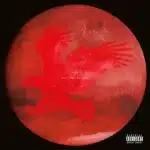
Released on 1 April 2022, Dove volano le aquile is Luchè’s fifth solo studio album, arriving almost four years after Potere. Its 16 tracks expand his musical range through atmospheric production, melodic passages and introspective writing. Ambition remains important, but the record also makes room for loneliness, emotional dependence and uncertainty, presenting success as something that brings its own complications.
“D10S”, featuring Elisa, opens the album with a tribute to Diego Maradona, connecting a deeply personal sense of admiration with a figure central to Naples’s identity. Elsewhere, “Slang” and “Password” provide more direct rap performances, while “L’Ultima Volta” and “Tutto Di Me” give greater space to his melodic delivery. The changing arrangements support an album that moves between public confidence and more private feelings, rather than maintaining one mood throughout.
The collaborations bring together several generations of Italian rap. Marracash appears on “Le Pietre Non Volano”, Madame joins “Qualcosa Di Grande”, and Ernia contributes to “Ci Riuscirò Davvero”. “Over” pairs Luchè with Geolier, while “Addio” features both Guè and Noyz Narcos. CoCo appears on “No Love” and “Karma”, as well as the bonus track “Topless”, and Etta contributes to “Liberami Da Te”.
The album debuted at number one in Italy and was followed by an arena tour, establishing another major stage in Luchè’s solo career. An expanded Vol. 2 edition followed in 2023, extending the project beyond its original release. At its core, however, Dove volano le aquile is defined by the breadth of its songwriting: it retains his competitive instincts while allowing doubt, attachment and self-examination a substantial place in the music.

Released on 16 May 2025, Il mio lato peggiore is Luchè’s sixth solo studio album, following the Co’Sang reunion project Dinastia. Its original 18 tracks bring an aggressive, outspoken attitude together with more intimate writing about insecurity, relationships and personal fulfilment. The title introduces that willingness to expose uncomfortable aspects of himself, giving the record a sense of confrontation that also turns inward.
The opening title track features Lele Adani, while “Miami Vice”, with Sfera Ebbasta and Simba La Rue, presents the album’s more assertive side. “Ginevra”, featuring Geolier, became one of the project’s biggest songs, reaching number one in Italy. Elsewhere, “Nessuna”, “Autostima” and “Morire vuoto” make room for a more exposed voice, balancing the confidence of the harder performances with questions about self-worth and emotional connection.
The collaborations broaden the record’s perspective. “La mia vittoria” brings together Giorgia and Marracash, exploring ideas of achievement beyond public recognition. “Ilary” features Guè and Nerissima Serpe, while Rose Villain appears on “Un milione di mani”, Kaash Paige on “Incredibile” and CoCo on “Red Flag”. The different voices support the album’s movement between direct rap, melodic passages and more reflective songwriting.
The Spotify edition was subsequently expanded to include “Labirinto”, Luchè’s entry at Sanremo in 2026, and “Falco a metà”, performed with Gianluca Grignani during the festival’s cover night. These additions extend the original project, whose central character remains the tension between defiance and vulnerability. Rather than presenting success as a settled destination, Il mio lato peggiore follows an artist still examining what recognition can give him and what it leaves unresolved.
Luchè
Artist: Luchè
Real Name: Luca Imprudente
Born: 7 January 1981, Naples
Roots: Marianella, Naples
Active since: 1997
Style: Neapolitan rap, hip-hop and trap
Debut solo album: L1 (2012) ↗
Biography
Luchè, born Luca Imprudente in Naples in 1981, developed his musical identity in Marianella, a neighbourhood in the northern part of the city. He began making music in the late 1990s and became known as one half of Co’Sang alongside Ntò. Their debut album, Chi more pe’ mme (2005), followed by Vita bona (2009), established the duo as an important voice in Neapolitan hip-hop. Rapping in their own language, they described neighbourhood life, inequality, loyalty and the consequences of violence through detailed storytelling. Luchè also contributed extensively to the production, helping shape the sound as well as the lyrics.
After Co’Sang separated in 2012, Luchè began his solo recording career with L1, released that same year. The transition gave him room to develop a more individual perspective and explore different musical settings beyond the duo’s established approach. L2 followed in 2014 through Roccia Music, connecting him with a wider national rap network. Collaborations with Marracash and Clementino sat alongside songs about ambition, disappointment and belonging. These early solo albums documented a difficult rebuilding period while introducing the mixture of confidence and vulnerability that would become central to his later work.
Malammore (2016) marked a major turning point. Songs including “O’ Primmo Ammore”, “Che Dio Mi Benedica” and “Il Mio Nome” brought greater attention to his combination of street narratives, emotional writing and memorable melodies. His music could move from forceful declarations to troubled relationships without losing its connection to Naples. The album also featured Guè on “Bello”. With Potere (2018), Luchè built on that momentum, developing a broader sound and reaching an increasingly large audience. The expanded Potere (Il giorno dopo) followed in 2019, extending a period that established him among the leading names in contemporary Italian rap.
His fifth solo album, Dove volano le aquile (2022), debuted at number one in Italy and brought together introspective songwriting, ambitious production and prominent collaborations. Its guests included Sfera Ebbasta, while the record continued his exploration of success, distrust, relationships and the distance between public confidence and private uncertainty. An expanded second volume arrived in 2023. Alongside his own recordings, Luchè developed BFM Music, creating another outlet for his work as a producer and supporter of emerging artists. His career increasingly connected the generation that established Neapolitan rap nationally with younger performers reshaping its sound.
In 2024, Luchè and Ntò reunited as Co’Sang for Dinastia, their first album together in fifteen years. Featuring contributions from Club Dogo, Marracash, Geolier and Liberato, the project returned the duo to the centre of the scene they had helped build. Luchè resumed his solo discography with Il mio lato peggiore (2025), combining an aggressive, outspoken approach with more intimate material. He subsequently entered the Sanremo Music Festival in 2026 with “Labirinto”. Across his group and solo work, his distinctive voice rests on the relationship between place and personal experience: Naples remains a foundation, while his writing follows the changing ambitions, relationships and doubts of a long career.
Albums

Released on 19 June 2012, L1 is Luchè’s debut solo album, arriving shortly after the break-up of Co’Sang. Its 12 tracks introduce a different direction from the duo’s recordings: Luchè moves into Italian-language songwriting while retaining his recognisable Neapolitan cadence. Released through Arealive and distributed by Edel Italia, the album captures the beginning of his attempt to establish an identity beyond the group that had first brought him recognition.
“Appena il mondo sarà mio” and “S’il vous plait” introduced the project through videos ahead of its release. The production broadens his musical setting, bringing electronic textures, melodic hooks and elements of pop and rock into the rap framework. Working with producers including D-Ross and Geeno, Luchè explores a more varied approach to song structure, allowing sung passages and instrumental arrangements a larger role alongside his verses.
The guest appearances connect this new beginning with established voices in Italian rap. “Rockstar” features Marracash, “On fire” brings in Club Dogo, and “Lo so che non m’ami” pairs him with Emis Killa. Franco Ricciardi appears on “Chi non dimentica”, maintaining a connection with Neapolitan music, while Corrado, Fuossera and Da Blonde contribute elsewhere. These collaborations give the compact tracklist a range of contrasting voices without displacing Luchè from its centre.
Within his discography, L1 is a record of transition. It carries the experience of his years with Co’Sang into a project shaped around his own voice, ambitions and musical choices. The move towards Italian lyrics and broader arrangements opened another route for his songwriting, laying the foundations for L2 and the more established solo identity he would develop on Malammore.

Released on 1 July 2014 through Roccia Music, L2 is Luchè’s second solo studio album. Its 17 tracks develop the individual voice introduced on L1, moving between forceful rap performances, melodic passages and more reflective writing. The record brings his Neapolitan identity into contact with a wider national rap scene, while keeping ambition, belonging and personal uncertainty close to the centre.
“Bang Bang” opens the album, followed by “Sporco napoletano”, a declaration of identity that also returns in a closing remix with Fuossera. Between these assertive moments, tracks such as “Piango dentro”, “Non credo più” and “Nulla è cambiato” give the project a more troubled emotional register. Luchè’s delivery shifts between confrontation and vulnerability, creating a contrast that would become increasingly important in his subsequent albums.
The collaborations add different perspectives without overwhelming the solo material. “GVNC” features Marracash, while “Il mio successo” brings in Clementino, connecting two distinct voices from the Neapolitan scene. Achille Lauro appears on “Ghetto Memories”, Corrado contributes to “Non credo più”, and Da Blonde joins “Non immaginerò”. These guests help vary the atmosphere across a tracklist that balances harder performances with songs built around emotion and melody.
Within Luchè’s discography, L2 bridges the experimentation of his debut and the stronger commercial recognition that followed with Malammore. It presents an artist still shaping his place as a solo performer, drawing on his history while testing how far his songwriting can reach. The closing stretch, including “Lieto fine” and “La transizione”, rounds out a project whose confidence repeatedly sits alongside doubt, giving the album a more personal dimension than its most aggressive tracks initially suggest.
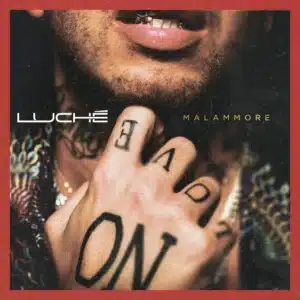
Released on 15 July 2016, Malammore is Luchè’s third solo studio album and a turning point in his career. Across 19 tracks, he brings together forceful rap, melodic songwriting and a strong connection to Naples, developing a more recognisable solo identity after L1 and L2. The record moves between attachment to his city, difficult relationships and the desire to succeed, with confidence often giving way to a more exposed personal voice.
“O’ Primmo Ammore” places Neapolitan language and emotional storytelling at the heart of the project, while “Il Mio Nome” and “Che Dio Mi Benedica” present his determination to establish himself on his own terms. “Per La Mia Città” makes his relationship with Naples explicit, connecting personal ambition with the place that shaped him. These different approaches give the album its character: pride and affection sit alongside frustration, distrust and the need to move forward.
The guest appearances complement that range. “Bello” features Guè, while CoCo contributes to “Fin Qui” and “Cos’hai Da Dire”. Da Blonde appears on “Lo Stesso Viso”, and Baby K joins “Quelli Di Ieri”. Around these collaborations, solo tracks including “Ti Amo”, “Il Mio Ricordo” and “Andrò Via Da Qui” leave room for longer reflections and more intimate songwriting, balancing the harder edge of the opening “Violento”.
Malammore helped bring Luchè’s solo work to a substantially wider audience and established songs that became central to his repertoire. Its importance lies in how naturally it brings his different strengths together: the directness of his rap, his ear for melody and his ability to make local experiences feel personal to listeners elsewhere. The album laid the foundations for the larger commercial success of Potere, while retaining a distinctive emotional intensity of its own.
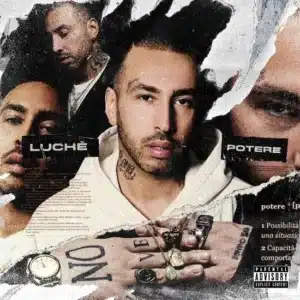
Released on 29 June 2018, Potere is Luchè’s fourth solo studio album, following the breakthrough of Malammore. The original 16-track record presents a more assured performer, combining extended rap passages with melodic songs and contemporary production. Ambition and recognition are recurring subjects, but relationships, disappointment and the need for emotional connection give the album a more intimate dimension.
The opening “Intro”, featuring his sister Paola Imprudente, leads into “Potere / Il Sorpasso”, a track lasting more than seven minutes that gives his rapping room to develop beyond a conventional verse-and-chorus structure. Elsewhere, “Je Ce Credevo” foregrounds his Neapolitan voice, while “Torna Da Me”, “Non Abbiamo Età” and “Dormiamo Insieme” demonstrate the importance of melody to the project. The contrast between assertive performances and more vulnerable songs helps sustain the album’s changing moods.
The original guest list is relatively focused. Guè joins Luchè on “Lv & Balmain”, while CoCo appears on “Lo Sai Chi Sono” and “10 Anni Fa”. Enzo Avitabile contributes to “Potere 2”, bringing another generation of Neapolitan music into the record. These collaborations complement an album that largely keeps the attention on Luchè, allowing his delivery and songwriting to connect its different musical settings.
The project was expanded in 2019, first with “Stamm Fort”, featuring Sfera Ebbasta, and subsequently as Potere (Il Giorno Dopo). That edition added “Parliamo”, a remix of “10 Anni Fa” with CoCo and Tony Effe, a Max Brigante remix of “Non Abbiamo Età” and “Burn”. The additions extended the original album’s reach, while its core material established a balance between forceful rap and emotional melody that became central to Luchè’s wider success.
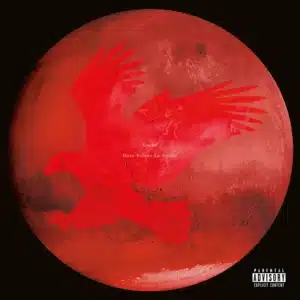
Released on 1 April 2022, Dove volano le aquile is Luchè’s fifth solo studio album, arriving almost four years after Potere. Its 16 tracks expand his musical range through atmospheric production, melodic passages and introspective writing. Ambition remains important, but the record also makes room for loneliness, emotional dependence and uncertainty, presenting success as something that brings its own complications.
“D10S”, featuring Elisa, opens the album with a tribute to Diego Maradona, connecting a deeply personal sense of admiration with a figure central to Naples’s identity. Elsewhere, “Slang” and “Password” provide more direct rap performances, while “L’Ultima Volta” and “Tutto Di Me” give greater space to his melodic delivery. The changing arrangements support an album that moves between public confidence and more private feelings, rather than maintaining one mood throughout.
The collaborations bring together several generations of Italian rap. Marracash appears on “Le Pietre Non Volano”, Madame joins “Qualcosa Di Grande”, and Ernia contributes to “Ci Riuscirò Davvero”. “Over” pairs Luchè with Geolier, while “Addio” features both Guè and Noyz Narcos. CoCo appears on “No Love” and “Karma”, as well as the bonus track “Topless”, and Etta contributes to “Liberami Da Te”.
The album debuted at number one in Italy and was followed by an arena tour, establishing another major stage in Luchè’s solo career. An expanded Vol. 2 edition followed in 2023, extending the project beyond its original release. At its core, however, Dove volano le aquile is defined by the breadth of its songwriting: it retains his competitive instincts while allowing doubt, attachment and self-examination a substantial place in the music.

Released on 16 May 2025, Il mio lato peggiore is Luchè’s sixth solo studio album, following the Co’Sang reunion project Dinastia. Its original 18 tracks bring an aggressive, outspoken attitude together with more intimate writing about insecurity, relationships and personal fulfilment. The title introduces that willingness to expose uncomfortable aspects of himself, giving the record a sense of confrontation that also turns inward.
The opening title track features Lele Adani, while “Miami Vice”, with Sfera Ebbasta and Simba La Rue, presents the album’s more assertive side. “Ginevra”, featuring Geolier, became one of the project’s biggest songs, reaching number one in Italy. Elsewhere, “Nessuna”, “Autostima” and “Morire vuoto” make room for a more exposed voice, balancing the confidence of the harder performances with questions about self-worth and emotional connection.
The collaborations broaden the record’s perspective. “La mia vittoria” brings together Giorgia and Marracash, exploring ideas of achievement beyond public recognition. “Ilary” features Guè and Nerissima Serpe, while Rose Villain appears on “Un milione di mani”, Kaash Paige on “Incredibile” and CoCo on “Red Flag”. The different voices support the album’s movement between direct rap, melodic passages and more reflective songwriting.
The Spotify edition was subsequently expanded to include “Labirinto”, Luchè’s entry at Sanremo in 2026, and “Falco a metà”, performed with Gianluca Grignani during the festival’s cover night. These additions extend the original project, whose central character remains the tension between defiance and vulnerability. Rather than presenting success as a settled destination, Il mio lato peggiore follows an artist still examining what recognition can give him and what it leaves unresolved.