


Nitro
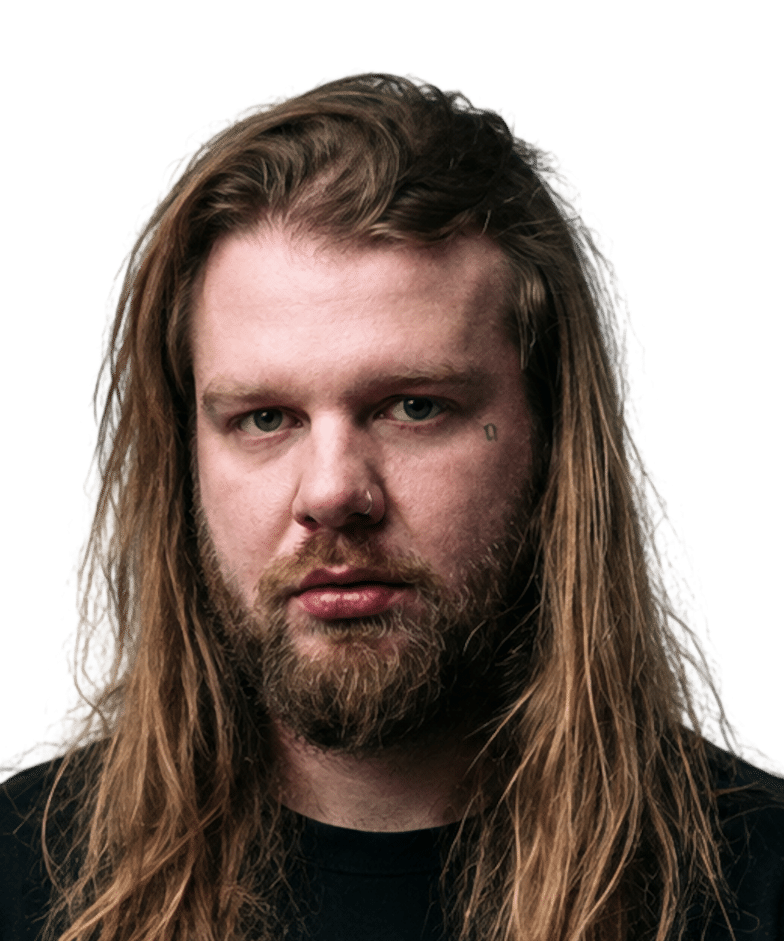
Artist: Nitro
Real Name: Nicola Albera
Born: 11 February 1993, Vicenza
Roots: Vicenza, Veneto
Active since: 2007
Style: Hip-hop and hardcore rap
Debut album: Danger (2013) ↗
Biography
Nitro, born Nicola Albera in Vicenza on 11 February 1993, developed his identity in the freestyle scene, where quick thinking, sharp punchlines and technical precision were essential. His appearances on MTV Spit in 2012 and 2013 introduced him to a national audience, reaching the final in both editions. Those performances revealed the forceful delivery and competitive instinct that would become central to his music, but his ambitions extended beyond battle rap. Joining the Machete collective brought him into a creative environment closely associated with Salmo, providing the setting in which he began building his recording career.
His debut album, Danger (2013), established a dark and confrontational musical identity. Rather than simply transferring freestyle punchlines onto beats, Nitro explored insecurity, anger and the unsettling corners of the human mind. Horror imagery, cinematic references and abrasive humour became recurring elements of his writing, alongside a willingness to expose vulnerability. His contributions to the Machete mixtapes further strengthened his presence, allowing him to develop within a collective while retaining a recognisable voice of his own.
Suicidol (2015) marked an important step forward, bringing his technical ability together with more developed storytelling and emotional depth. Songs such as “Rotten”, “Pleasantville” and “Storia di un defunto artista” showed different sides of his personality, moving between aggression, disillusionment and personal reflection. The album also featured Fabri Fibra on “Ong Bak”, connecting Nitro with one of Italian rap’s most influential figures. The expanded Suicidol Post Mortem followed in 2016, adding collaborations with artists including Jake La Furia and further broadening the project.
With No Comment (2018), Nitro continued to develop his balance of verbal aggression, social observation and introspection. The album included “Buio Omega”, “Ho fatto bene” and “Chairaggione”, while Lazza appeared on “Passepartout”. Across this period, Nitro established himself as an artist whose appeal rested on both the complexity of his rhymes and the personality behind them. His writing could be deliberately provocative, but beneath its hostility lay recurring concerns about judgement, relationships and the pressures surrounding an artist’s public identity.
GarbAge (2020) widened his musical palette and brought together a varied group of collaborators, including Gemitaiz. Its expanded edition, GarbAge Evilution, arrived in 2021. On OUTSIDER (2023), Nitro returned to the sense of alienation that runs through much of his work, combining forceful performances with more reflective passages. Collaborations with Ernia on “IN HEAVEN” and Kid Yugi on “FANGORIA” placed his distinctive approach alongside different voices from the Italian scene.
His sixth studio album, Incubi, followed in November 2025. Its opening track, “Storia di un artista”, revisited a narrative thread begun with “Storia di un presunto artista” on Danger and continued with “Storia di un defunto artista” on Suicidol, linking different stages of his career. Across his catalogue, Nitro has maintained a distinctive combination of technical control, dark imagery and emotional candour. The battle rapper’s instinct remains audible, while his albums give equal space to doubt, frustration and the difficult work of examining himself.
Albums
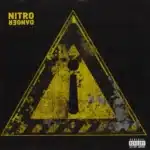
Released in July 2013 through Machete Empire Records, Danger is Nitro’s debut studio album. It arrived after his appearances on MTV Spit had introduced his freestyle ability to a national audience, giving him the opportunity to demonstrate how that talent could work across a complete project. The record captures a young rapper with an aggressive delivery and considerable technical confidence, already interested in subjects that went beyond competition and punchlines. Anger, insecurity, difficult relationships and artistic ambition form the foundations of an album shaped by a deliberately dark atmosphere.
The production combines hip-hop with electronic sounds and heavier textures, providing a varied setting for Nitro’s tightly packed rhymes. His delivery remains forceful, but changes in rhythm and mood prevent the record from becoming a continuous barrage. Dark humour and references to cinema help establish its character, while the writing frequently turns inward. The aggression often feels connected to frustration or vulnerability, giving the songs an emotional tension beneath their confrontational surface.
“Back Again” and the title track present Nitro’s assertive side, with performances built around verbal precision and restless energy. Elsewhere, “Margot”, “Without You” and “Bipolar Mind” explore more unsettled emotional territory. These shifts reveal an artist beginning to use different approaches to express discomfort, moving between direct attacks, personal reflection and exaggerated imagery. His battle background is clearly audible, particularly in the timing and construction of his lines, while the album format allows those skills to support more sustained ideas.
“Storia di un presunto artista” is especially significant within his wider catalogue. It introduces an examination of artistic identity that he would later revisit on “Storia di un defunto artista” and “Storia di un artista”. At this early stage, the subject carries the uncertainty of someone trying to establish himself: the desire to be recognised exists alongside doubt about the person he might become. That tension adds another dimension to a debut whose confidence can otherwise seem uncompromising.
Danger establishes many of the qualities that would remain central to Nitro’s music: intricate rhyme patterns, a rough-edged voice, bleak imagery and a willingness to expose uncomfortable feelings. Its relatively compact structure keeps the focus on his personality, allowing the different moods to belong to the same world. As the first substantial statement of his recording career, it documents the transition from a promising freestyle competitor into an artist developing a distinctive approach to songwriting.
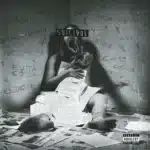
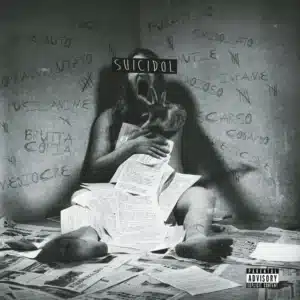
Released on 26 May 2015, Suicidol is Nitro’s second studio album, arriving after his debut Danger and his prominent contributions to Machete Mixtape III. Across its fifteen tracks, he develops a more substantial balance between technical aggression and personal storytelling. His delivery retains the precision and impact of his freestyle background, while the writing gives greater space to disappointment, relationships and the uncomfortable relationship between an artist and the attention surrounding him.
“Rotten”, the first single, presents the album’s abrasive side through tightly constructed verses and a forceful performance. “Sassi e diamanti” offers a more immediate emotional approach, showing how effectively Nitro can turn frustration into a memorable song. The contrast between these tracks runs through the wider record: confrontational passages sit alongside moments in which the hostility gives way to uncertainty or hurt. That range makes the darker material feel connected to a person rather than simply an exaggerated musical character.
“Pleasantville” became one of the defining songs of Nitro’s catalogue. Its extended structure allows him to develop his observations and emotional tensions beyond the limits of a short burst of punchlines. Elsewhere, “Ong Bak”, featuring Fabri Fibra, brings together two rappers whose sharp delivery and provocative writing complement one another. The collaboration adds another voice without disturbing the album’s identity, which remains firmly centred on Nitro’s perspective.
The production involves several different beatmakers, with Low Kidd contributing to a substantial part of the record. Changes in rhythm and texture give Nitro room to vary his delivery, moving between dense rhyme patterns, more spacious storytelling and hooks that provide relief from the intensity of the verses. “The Dark Side of the Mood” establishes the atmosphere from the opening, while tracks such as “Baba Jaga” and “L’oracolo di Selfie” contribute to a world shaped by dark imagery, sarcasm and criticism of appearances.
“Storia di un defunto artista” continues the thread introduced by “Storia di un presunto artista” on Danger, returning to questions of recognition, artistic identity and how a performer is perceived. The expanded edition, Suicidol Post Mortem, followed in 2016 with five additional tracks, including collaborations with Jake La Furia. The original album remains an important stage in Nitro’s development, bringing his verbal skill into closer contact with the emotional weight and sustained narratives of his songwriting.
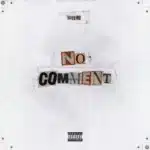
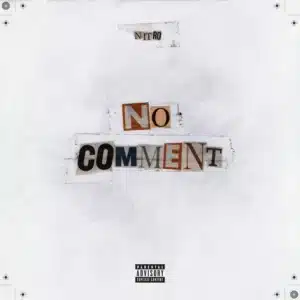
Released on 12 January 2018, No Comment is Nitro’s third studio album, following Suicidol and its expanded edition. It finds him developing a broader musical approach while retaining the forceful delivery and intricate rhymes that established his reputation. Across the record, personal reflection sits alongside sarcasm, confrontation and observations about public behaviour. The result is an album in which confidence and unease frequently coexist, with Nitro examining both the world around him and his own reactions to it.
“Buio Omega”, produced by Salmo, introduced the project with a dark atmosphere and an uncompromising performance. Its cinematic title fits naturally within Nitro’s longstanding interest in horror imagery, while the delivery brings his technical control to the foreground. “Ho fatto bene” offers another side of the album, pairing an assertive attitude with a more immediate song structure. These contrasting approaches give the record movement, allowing its intensity to emerge through different rhythms and moods.
The collaborations expand that range. Salmo also appears on “Chairaggione”, where the two rappers combine sharp timing and provocative humour. Lazza joins Nitro on “Passepartout”, bringing a complementary approach to rhythm and rhyme. Both tracks make room for the guests’ personalities while keeping the focus on the album’s direct, combative character. The exchanges also underline how comfortably Nitro’s style works alongside artists with distinct voices of their own.
Beneath the punchlines, No Comment continues his examination of judgement, appearances and emotional strain. The writing often moves from an outward attack to a more personal admission, making the aggression feel unstable rather than invulnerable. His rough vocal tone helps connect these shifts: even when the arrangements become more accessible, the performances retain an abrasive edge. The tension between memorable hooks and densely written verses gives the songs different points of entry without reducing their verbal detail.
Within Nitro’s catalogue, No Comment represents a further development of the songwriter introduced on his first two albums. The darker imagination remains, but it operates within a wider range of arrangements and more varied song structures. Technical skill continues to drive the performances, while the strongest passages use that skill to convey personality, frustration and self-questioning. It captures an artist increasingly able to shape his intensity into songs with their own individual character.
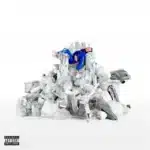
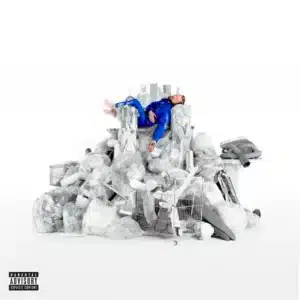
Released on 6 March 2020, GarbAge is Nitro’s fourth studio album, following No Comment. The project broadens his musical range while retaining the abrasive voice, intricate rhymes and dark humour that distinguish his work. Its central concerns include a culture of disposability, superficial appearances and the difficulty of finding value in an environment crowded with distractions. Nitro approaches these subjects through both social criticism and personal reflection, placing himself within the contradictions he describes.
The production moves between heavy beats, electronic textures and more melodic arrangements, giving the album a varied atmosphere. Nitro adapts his delivery accordingly, alternating rapid, densely constructed verses with passages that leave more space for the mood and melody. “Libellule” is an example of this more reflective approach, bringing emotional vulnerability into a record that also contains plenty of combative performances. These changes in pace allow the album to explore frustration without expressing it in the same way on every track.
The guest appearances create several distinct exchanges. Lazza joins Nitro on “OKAY?!”, while Fabri Fibra appears on “Monst€r”, bringing another sharp and recognisable voice into the project. “Buenas Noches”, featuring Gemitaiz, adds a further collaboration between rappers whose technical fluency allows them to move comfortably through different rhythms. The guests contribute to the variety while leaving Nitro’s perspective at the centre.
Much of the album’s character comes from the tension between outward aggression and inward uncertainty. Nitro can sound dismissive or confrontational, then turn the same critical attention towards his own behaviour and expectations. Relationships, dissatisfaction and the pressures of visibility give the writing a personal dimension beneath its broader observations. His use of sarcasm makes some passages deliberately uncomfortable, while the more open moments reveal the emotional strain behind that defensive attitude.
The expanded edition, GarbAge Evilution, followed in 2021, extending the project with additional material. The original album remains a substantial step in Nitro’s development, demonstrating his willingness to work with different sounds and collaborators without losing his vocal identity. Across its changes in mood, GarbAge presents an artist trying to make sense of the things people consume, discard and attach importance to, while questioning his own place within that cycle.
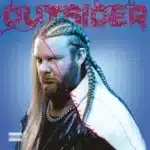
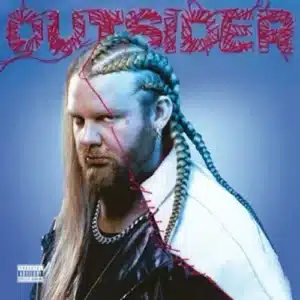
Released on 7 April 2023, OUTSIDER is Nitro’s fifth studio album, following GarbAge and its expanded edition. The project places the feeling of being out of step with the surrounding world at the centre of its identity. Across fourteen tracks, Nitro examines distrust, emotional distance and the difficulty of belonging, combining confrontational rap with more exposed personal writing. His technical precision remains prominent, but the shorter, focused songs give the album a directness that suits its uneasy atmosphere.
“CONTROL” and the title track introduced the record, presenting different aspects of its central tension. Nitro sounds determined to maintain his independence, while also acknowledging the strain that comes with isolation. His delivery moves between tightly packed verses and more measured passages, allowing the mood to change without losing momentum. The production supports that variety through heavy rhythms, electronic textures and melodic elements, giving each song its own setting within the wider project.
The collaborations contribute to some of the album’s clearest contrasts. “IN HEAVEN”, featuring Ernia, brings together two distinctive voices within a more reflective setting. On “FANGORIA”, Kid Yugi complements Nitro’s darker imagery and forceful delivery, creating an exchange that fits naturally into the record’s atmosphere. Sally Cruz appears on “PARANOIA”, while Fresh Mula and Il Ghost join him on “FULL IMMERSION”, adding further changes in tone and vocal character.
Tracks such as “TI DIREI”, “FIORI” and “ABISSI” give greater space to the album’s emotional concerns. Relationships and vulnerability sit alongside the defensive attitude heard elsewhere, revealing the personal consequences of keeping others at a distance. Nitro’s rough vocal tone connects these different approaches, carrying frustration even when the arrangements become more melodic. The writing repeatedly returns to the gap between what someone feels, what they can communicate and the image they allow other people to see.
A later version added “Too late”, a collaboration with Madame, extending the original release. As a whole, OUTSIDER develops a theme that had been present throughout Nitro’s earlier work, giving alienation a more explicit role in the project’s identity. Its strongest contrasts emerge between self-assurance and doubt, with the performances moving from resistance to reflection. The album captures an established rapper examining the cost of remaining independent while continuing to search for connection.
Released on 14 November 2025, Incubi is Nitro’s sixth studio album, following OUTSIDER. Across fifteen tracks, he returns to the fears, contradictions and personal struggles that have accompanied his writing since his debut. The dark imagery remains, but the project also takes stock of the experiences behind his public identity. Questions about artistic purpose, belonging and emotional honesty give the record a reflective foundation, while his forceful delivery preserves the intensity associated with his earlier work.
The opening track, “Storia di un artista”, creates a direct connection with his catalogue. Following “Storia di un presunto artista” on Danger and “Storia di un defunto artista” on Suicidol, it revisits the relationship between Nicola Albera and the performer known as Nitro. Returning to that narrative after more than a decade gives the song particular significance: the perspective now belongs to an established rapper who has lived through the ambitions and uncertainties expressed in those earlier recordings.
The collaborations bring together voices from different generations of Italian rap. Salmo and Sally Cruz appear on “DELLAMORTE DELLAMORE”, renewing a longstanding artistic connection while adding a contrasting vocal presence. Other guests across the album include Silent Bob, Niky Savage, 22simba, MadMan, Nerone and Tormento. Their contributions introduce different styles and textures, giving Nitro opportunities to alternate between direct lyrical exchanges and songs with a broader melodic dimension.
The album’s title provides a setting for writing concerned with experiences that linger and thoughts that are difficult to escape. Nitro’s rough voice lends itself to this material, carrying both defiance and exhaustion. Dense rhymes and sharp changes in delivery give the more aggressive passages their impact, while the reflective moments allow the words greater space. The contrast makes the record’s emotional concerns more tangible, particularly when the defensive tone gives way to self-examination.
Within his wider discography, Incubi brings renewed attention to the personal voice beneath Nitro’s technical reputation. The links to his earliest songs give the album a sense of continuity, while the collaborations place that history in conversation with other perspectives. Its central interest lies in how an artist understands himself after years of turning discomfort into music, returning to familiar fears with the experience of someone who has continued to live alongside them.
Nitro
Artist: Nitro
Real Name: Nicola Albera
Born: 11 February 1993, Vicenza
Roots: Vicenza, Veneto
Active since: 2007
Style: Hip-hop and hardcore rap
Debut album: Danger (2013) ↗
Biography
Nitro, born Nicola Albera in Vicenza on 11 February 1993, developed his identity in the freestyle scene, where quick thinking, sharp punchlines and technical precision were essential. His appearances on MTV Spit in 2012 and 2013 introduced him to a national audience, reaching the final in both editions. Those performances revealed the forceful delivery and competitive instinct that would become central to his music, but his ambitions extended beyond battle rap. Joining the Machete collective brought him into a creative environment closely associated with Salmo, providing the setting in which he began building his recording career.
His debut album, Danger (2013), established a dark and confrontational musical identity. Rather than simply transferring freestyle punchlines onto beats, Nitro explored insecurity, anger and the unsettling corners of the human mind. Horror imagery, cinematic references and abrasive humour became recurring elements of his writing, alongside a willingness to expose vulnerability. His contributions to the Machete mixtapes further strengthened his presence, allowing him to develop within a collective while retaining a recognisable voice of his own.
Suicidol (2015) marked an important step forward, bringing his technical ability together with more developed storytelling and emotional depth. Songs such as “Rotten”, “Pleasantville” and “Storia di un defunto artista” showed different sides of his personality, moving between aggression, disillusionment and personal reflection. The album also featured Fabri Fibra on “Ong Bak”, connecting Nitro with one of Italian rap’s most influential figures. The expanded Suicidol Post Mortem followed in 2016, adding collaborations with artists including Jake La Furia and further broadening the project.
With No Comment (2018), Nitro continued to develop his balance of verbal aggression, social observation and introspection. The album included “Buio Omega”, “Ho fatto bene” and “Chairaggione”, while Lazza appeared on “Passepartout”. Across this period, Nitro established himself as an artist whose appeal rested on both the complexity of his rhymes and the personality behind them. His writing could be deliberately provocative, but beneath its hostility lay recurring concerns about judgement, relationships and the pressures surrounding an artist’s public identity.
GarbAge (2020) widened his musical palette and brought together a varied group of collaborators, including Gemitaiz. Its expanded edition, GarbAge Evilution, arrived in 2021. On OUTSIDER (2023), Nitro returned to the sense of alienation that runs through much of his work, combining forceful performances with more reflective passages. Collaborations with Ernia on “IN HEAVEN” and Kid Yugi on “FANGORIA” placed his distinctive approach alongside different voices from the Italian scene.
His sixth studio album, Incubi, followed in November 2025. Its opening track, “Storia di un artista”, revisited a narrative thread begun with “Storia di un presunto artista” on Danger and continued with “Storia di un defunto artista” on Suicidol, linking different stages of his career. Across his catalogue, Nitro has maintained a distinctive combination of technical control, dark imagery and emotional candour. The battle rapper’s instinct remains audible, while his albums give equal space to doubt, frustration and the difficult work of examining himself.
Albums
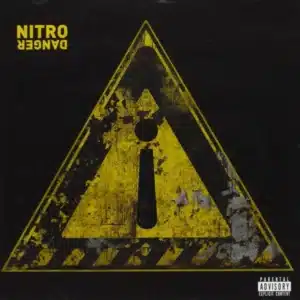
Released in July 2013 through Machete Empire Records, Danger is Nitro’s debut studio album. It arrived after his appearances on MTV Spit had introduced his freestyle ability to a national audience, giving him the opportunity to demonstrate how that talent could work across a complete project. The record captures a young rapper with an aggressive delivery and considerable technical confidence, already interested in subjects that went beyond competition and punchlines. Anger, insecurity, difficult relationships and artistic ambition form the foundations of an album shaped by a deliberately dark atmosphere.
The production combines hip-hop with electronic sounds and heavier textures, providing a varied setting for Nitro’s tightly packed rhymes. His delivery remains forceful, but changes in rhythm and mood prevent the record from becoming a continuous barrage. Dark humour and references to cinema help establish its character, while the writing frequently turns inward. The aggression often feels connected to frustration or vulnerability, giving the songs an emotional tension beneath their confrontational surface.
“Back Again” and the title track present Nitro’s assertive side, with performances built around verbal precision and restless energy. Elsewhere, “Margot”, “Without You” and “Bipolar Mind” explore more unsettled emotional territory. These shifts reveal an artist beginning to use different approaches to express discomfort, moving between direct attacks, personal reflection and exaggerated imagery. His battle background is clearly audible, particularly in the timing and construction of his lines, while the album format allows those skills to support more sustained ideas.
“Storia di un presunto artista” is especially significant within his wider catalogue. It introduces an examination of artistic identity that he would later revisit on “Storia di un defunto artista” and “Storia di un artista”. At this early stage, the subject carries the uncertainty of someone trying to establish himself: the desire to be recognised exists alongside doubt about the person he might become. That tension adds another dimension to a debut whose confidence can otherwise seem uncompromising.
Danger establishes many of the qualities that would remain central to Nitro’s music: intricate rhyme patterns, a rough-edged voice, bleak imagery and a willingness to expose uncomfortable feelings. Its relatively compact structure keeps the focus on his personality, allowing the different moods to belong to the same world. As the first substantial statement of his recording career, it documents the transition from a promising freestyle competitor into an artist developing a distinctive approach to songwriting.
Released on 26 May 2015, Suicidol is Nitro’s second studio album, arriving after his debut Danger and his prominent contributions to Machete Mixtape III. Across its fifteen tracks, he develops a more substantial balance between technical aggression and personal storytelling. His delivery retains the precision and impact of his freestyle background, while the writing gives greater space to disappointment, relationships and the uncomfortable relationship between an artist and the attention surrounding him.
“Rotten”, the first single, presents the album’s abrasive side through tightly constructed verses and a forceful performance. “Sassi e diamanti” offers a more immediate emotional approach, showing how effectively Nitro can turn frustration into a memorable song. The contrast between these tracks runs through the wider record: confrontational passages sit alongside moments in which the hostility gives way to uncertainty or hurt. That range makes the darker material feel connected to a person rather than simply an exaggerated musical character.
“Pleasantville” became one of the defining songs of Nitro’s catalogue. Its extended structure allows him to develop his observations and emotional tensions beyond the limits of a short burst of punchlines. Elsewhere, “Ong Bak”, featuring Fabri Fibra, brings together two rappers whose sharp delivery and provocative writing complement one another. The collaboration adds another voice without disturbing the album’s identity, which remains firmly centred on Nitro’s perspective.
The production involves several different beatmakers, with Low Kidd contributing to a substantial part of the record. Changes in rhythm and texture give Nitro room to vary his delivery, moving between dense rhyme patterns, more spacious storytelling and hooks that provide relief from the intensity of the verses. “The Dark Side of the Mood” establishes the atmosphere from the opening, while tracks such as “Baba Jaga” and “L’oracolo di Selfie” contribute to a world shaped by dark imagery, sarcasm and criticism of appearances.
“Storia di un defunto artista” continues the thread introduced by “Storia di un presunto artista” on Danger, returning to questions of recognition, artistic identity and how a performer is perceived. The expanded edition, Suicidol Post Mortem, followed in 2016 with five additional tracks, including collaborations with Jake La Furia. The original album remains an important stage in Nitro’s development, bringing his verbal skill into closer contact with the emotional weight and sustained narratives of his songwriting.
Released on 12 January 2018, No Comment is Nitro’s third studio album, following Suicidol and its expanded edition. It finds him developing a broader musical approach while retaining the forceful delivery and intricate rhymes that established his reputation. Across the record, personal reflection sits alongside sarcasm, confrontation and observations about public behaviour. The result is an album in which confidence and unease frequently coexist, with Nitro examining both the world around him and his own reactions to it.
“Buio Omega”, produced by Salmo, introduced the project with a dark atmosphere and an uncompromising performance. Its cinematic title fits naturally within Nitro’s longstanding interest in horror imagery, while the delivery brings his technical control to the foreground. “Ho fatto bene” offers another side of the album, pairing an assertive attitude with a more immediate song structure. These contrasting approaches give the record movement, allowing its intensity to emerge through different rhythms and moods.
The collaborations expand that range. Salmo also appears on “Chairaggione”, where the two rappers combine sharp timing and provocative humour. Lazza joins Nitro on “Passepartout”, bringing a complementary approach to rhythm and rhyme. Both tracks make room for the guests’ personalities while keeping the focus on the album’s direct, combative character. The exchanges also underline how comfortably Nitro’s style works alongside artists with distinct voices of their own.
Beneath the punchlines, No Comment continues his examination of judgement, appearances and emotional strain. The writing often moves from an outward attack to a more personal admission, making the aggression feel unstable rather than invulnerable. His rough vocal tone helps connect these shifts: even when the arrangements become more accessible, the performances retain an abrasive edge. The tension between memorable hooks and densely written verses gives the songs different points of entry without reducing their verbal detail.
Within Nitro’s catalogue, No Comment represents a further development of the songwriter introduced on his first two albums. The darker imagination remains, but it operates within a wider range of arrangements and more varied song structures. Technical skill continues to drive the performances, while the strongest passages use that skill to convey personality, frustration and self-questioning. It captures an artist increasingly able to shape his intensity into songs with their own individual character.
Released on 6 March 2020, GarbAge is Nitro’s fourth studio album, following No Comment. The project broadens his musical range while retaining the abrasive voice, intricate rhymes and dark humour that distinguish his work. Its central concerns include a culture of disposability, superficial appearances and the difficulty of finding value in an environment crowded with distractions. Nitro approaches these subjects through both social criticism and personal reflection, placing himself within the contradictions he describes.
The production moves between heavy beats, electronic textures and more melodic arrangements, giving the album a varied atmosphere. Nitro adapts his delivery accordingly, alternating rapid, densely constructed verses with passages that leave more space for the mood and melody. “Libellule” is an example of this more reflective approach, bringing emotional vulnerability into a record that also contains plenty of combative performances. These changes in pace allow the album to explore frustration without expressing it in the same way on every track.
The guest appearances create several distinct exchanges. Lazza joins Nitro on “OKAY?!”, while Fabri Fibra appears on “Monst€r”, bringing another sharp and recognisable voice into the project. “Buenas Noches”, featuring Gemitaiz, adds a further collaboration between rappers whose technical fluency allows them to move comfortably through different rhythms. The guests contribute to the variety while leaving Nitro’s perspective at the centre.
Much of the album’s character comes from the tension between outward aggression and inward uncertainty. Nitro can sound dismissive or confrontational, then turn the same critical attention towards his own behaviour and expectations. Relationships, dissatisfaction and the pressures of visibility give the writing a personal dimension beneath its broader observations. His use of sarcasm makes some passages deliberately uncomfortable, while the more open moments reveal the emotional strain behind that defensive attitude.
The expanded edition, GarbAge Evilution, followed in 2021, extending the project with additional material. The original album remains a substantial step in Nitro’s development, demonstrating his willingness to work with different sounds and collaborators without losing his vocal identity. Across its changes in mood, GarbAge presents an artist trying to make sense of the things people consume, discard and attach importance to, while questioning his own place within that cycle.
Released on 7 April 2023, OUTSIDER is Nitro’s fifth studio album, following GarbAge and its expanded edition. The project places the feeling of being out of step with the surrounding world at the centre of its identity. Across fourteen tracks, Nitro examines distrust, emotional distance and the difficulty of belonging, combining confrontational rap with more exposed personal writing. His technical precision remains prominent, but the shorter, focused songs give the album a directness that suits its uneasy atmosphere.
“CONTROL” and the title track introduced the record, presenting different aspects of its central tension. Nitro sounds determined to maintain his independence, while also acknowledging the strain that comes with isolation. His delivery moves between tightly packed verses and more measured passages, allowing the mood to change without losing momentum. The production supports that variety through heavy rhythms, electronic textures and melodic elements, giving each song its own setting within the wider project.
The collaborations contribute to some of the album’s clearest contrasts. “IN HEAVEN”, featuring Ernia, brings together two distinctive voices within a more reflective setting. On “FANGORIA”, Kid Yugi complements Nitro’s darker imagery and forceful delivery, creating an exchange that fits naturally into the record’s atmosphere. Sally Cruz appears on “PARANOIA”, while Fresh Mula and Il Ghost join him on “FULL IMMERSION”, adding further changes in tone and vocal character.
Tracks such as “TI DIREI”, “FIORI” and “ABISSI” give greater space to the album’s emotional concerns. Relationships and vulnerability sit alongside the defensive attitude heard elsewhere, revealing the personal consequences of keeping others at a distance. Nitro’s rough vocal tone connects these different approaches, carrying frustration even when the arrangements become more melodic. The writing repeatedly returns to the gap between what someone feels, what they can communicate and the image they allow other people to see.
A later version added “Too late”, a collaboration with Madame, extending the original release. As a whole, OUTSIDER develops a theme that had been present throughout Nitro’s earlier work, giving alienation a more explicit role in the project’s identity. Its strongest contrasts emerge between self-assurance and doubt, with the performances moving from resistance to reflection. The album captures an established rapper examining the cost of remaining independent while continuing to search for connection.
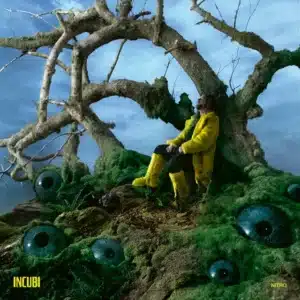
Released on 14 November 2025, Incubi is Nitro’s sixth studio album, following OUTSIDER. Across fifteen tracks, he returns to the fears, contradictions and personal struggles that have accompanied his writing since his debut. The dark imagery remains, but the project also takes stock of the experiences behind his public identity. Questions about artistic purpose, belonging and emotional honesty give the record a reflective foundation, while his forceful delivery preserves the intensity associated with his earlier work.
The opening track, “Storia di un artista”, creates a direct connection with his catalogue. Following “Storia di un presunto artista” on Danger and “Storia di un defunto artista” on Suicidol, it revisits the relationship between Nicola Albera and the performer known as Nitro. Returning to that narrative after more than a decade gives the song particular significance: the perspective now belongs to an established rapper who has lived through the ambitions and uncertainties expressed in those earlier recordings.
The collaborations bring together voices from different generations of Italian rap. Salmo and Sally Cruz appear on “DELLAMORTE DELLAMORE”, renewing a longstanding artistic connection while adding a contrasting vocal presence. Other guests across the album include Silent Bob, Niky Savage, 22simba, MadMan, Nerone and Tormento. Their contributions introduce different styles and textures, giving Nitro opportunities to alternate between direct lyrical exchanges and songs with a broader melodic dimension.
The album’s title provides a setting for writing concerned with experiences that linger and thoughts that are difficult to escape. Nitro’s rough voice lends itself to this material, carrying both defiance and exhaustion. Dense rhymes and sharp changes in delivery give the more aggressive passages their impact, while the reflective moments allow the words greater space. The contrast makes the record’s emotional concerns more tangible, particularly when the defensive tone gives way to self-examination.
Within his wider discography, Incubi brings renewed attention to the personal voice beneath Nitro’s technical reputation. The links to his earliest songs give the album a sense of continuity, while the collaborations place that history in conversation with other perspectives. Its central interest lies in how an artist understands himself after years of turning discomfort into music, returning to familiar fears with the experience of someone who has continued to live alongside them.