


Fabri Fibra

Artist: Fabri Fibra
Real Name: Fabrizio Tarduccither var
Born: 17 October 1976, Senigallia
Roots: Senigallia, Marche
Active since: 1994; solo career since 2002
Style: Italian hip-hop and hardcore rap, with provocative lyrics and social commentary
Debut album: Turbe Giovanili (2002)
Biography
Fabri Fibra is one of the most influential figures in Italian hip-hop, known for his unmistakable delivery, provocative humour and sharp observations about society. Born Fabrizio Tarducci on 17 October 1976 in Senigallia, Marche, he developed his voice within the underground rap scene of the 1990s before becoming a major force in bringing the genre to a wider Italian audience. His career spans the transition from independent recordings and small rap communities to hip-hop’s central position in Italian popular music.
His early career took shape alongside producer and DJ Lato in Uomini di Mare, and through his involvement with the Teste Mobili collective. These formative years grounded him in independent hip-hop, where technical ability, inventive rhymes and a distinctive personality mattered more than mainstream appeal. His younger brother, the rapper and singer-songwriter Nesli, also contributed to his early recordings. Working within this environment allowed Fibra to develop the restless, unconventional approach that would distinguish his solo career.
Fibra began his solo recording career in 2002, with production from Neffa helping establish a more introspective side to his writing. His music subsequently became increasingly confrontational, combining dark humour, explicit language and deliberately uncomfortable imagery. Beneath the provocation, his lyrics explored insecurity, alienation, ambition and the frustrations of young people struggling to find their place. The tension between personal vulnerability and aggressive delivery became an enduring feature of his work.
His commercial breakthrough came in 2006, transforming him from an underground name into a nationally recognised artist. Success also brought controversy: his blunt approach challenged expectations about what Italian popular music could say, making him both a divisive public figure and a central voice in rap’s growing cultural presence. His rise helped demonstrate that an Italian rapper could reach a mass audience while retaining an abrasive style and a recognisable connection to underground culture.
A defining quality of Fibra’s writing is his willingness to turn criticism inward. Alongside attacks on celebrity culture, social hypocrisy and the music industry, he questions his own ambitions and the contradictions of becoming successful. Fame often appears in his songs as a source of pressure and uncertainty as well as achievement. This self-awareness gives depth to a persona that can otherwise seem dominated by sarcasm, confrontation and swagger.
Across his career, Fibra has balanced uncompromising rap with accessible hooks and collaborations reaching beyond hip-hop. Songs such as “Tranne te”, “In Italia” and “Pamplona” demonstrate the breadth of that approach, while his more personal material reveals a reflective side. His distinctive voice, rhythmic precision and conversational phrasing remain recognisable across different production styles, allowing him to broaden his sound without losing his musical identity.
His significance extends beyond individual hits or commercial success. Fibra helped make rap a space for uncomfortable subjects, social criticism and personal contradictions within mainstream Italian music. His longevity has also made him a point of reference for younger artists navigating the relationship between credibility, popularity and artistic independence. Connecting the independent scene of the 1990s with the generations that followed, Fabri Fibra remains a key figure in the development of modern Italian hip-hop.
Albums
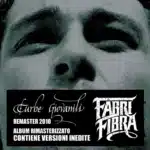
Released in February 2002 through Teste Mobili Records, Turbe Giovanili is Fabri Fibra’s debut solo studio album. Its 17 tracks were produced largely by Neffa, with DJ Lato handling “Ma che persona”. Following his work with Uomini di Mare, the record marked a move towards more personal writing, establishing a distinctive voice well before his mainstream breakthrough.
The production draws on warm samples, understated drums and jazz-influenced textures, creating a reflective, often nocturnal atmosphere. Against this backdrop, Fibra explores anxiety, troubled relationships, loneliness and everyday dissatisfaction. His delivery is conversational but rhythmically inventive, allowing thoughts and observations to unfold with a sense of intimacy.
Tracks such as “Scattano le indagini”, “Luna piena” and “Nuovi stili d’insonnia” capture different aspects of this approach, combining vivid imagery with an uneasy emotional undercurrent. Humour and sharp turns of phrase are already present, but the emphasis falls on introspection rather than the more aggressive provocation associated with his later recordings.
Turbe Giovanili has become an enduring reference point in Italian underground rap. Its cohesive sound and candid writing reveal a thoughtful, vulnerable side of Fibra, making it an essential starting point for understanding the artist behind his later public persona.
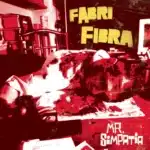
Released in 2004, Mr. Simpatia is Fabri Fibra’s second solo album and one of the most confrontational records in his catalogue. Following Turbe giovanili, it pushes his writing towards a harsher, darker style, combining technical rap with black humour, deliberately shocking imagery and a deeply hostile view of everyday life.
Most of the production comes from Nesli, with additional contributions from Bassi Maestro and Bosca. The beats provide a direct, often claustrophobic setting for Fibra’s voice, allowing the rhymes and changes in delivery to carry much of the record’s intensity. Bassi Maestro also appears on “Io non ti invidio”, while Nesli joins him on “Andiamo”.
Tracks including “L’uomo nel mirino”, “Venerdì diciassette”, “Rap in vena” and “Non crollo” reveal different sides of the same abrasive persona. Anger, frustration and self-disgust sit beside exaggeration and satire, making the writing deliberately uncomfortable. The title’s apparent friendliness becomes an ironic frame for material that repeatedly challenges the listener.
Mr. Simpatia captures Fibra before his mainstream breakthrough, with little attempt to soften his approach for a wider audience. Its uncompromising character makes it a key document of his underground years, showing the verbal precision and provocative instincts that would remain central to his music.
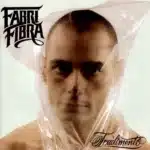
Released on 26 May 2006 through Universal Music, Tradimento is Fabri Fibra’s third studio album and his first release on a major label. Its 17 tracks marked his breakthrough into mainstream Italian music, taking the record to number one and bringing his confrontational style to a much wider audience.
Production comes primarily from Nesli and Big Fish, with contributions from DJ Nais. The sound combines hard-edged rap beats with more immediate rhythms and memorable hooks, giving Fibra’s distinctive delivery room to dominate. The result is accessible without softening the explicit language, sarcasm and abrasive personality that had established his underground reputation.
“Applausi per Fibra” became the album’s defining anthem, pairing a commanding chorus with personal unease and defiance. “Mal di stomaco” offers another striking introduction to his provocative approach, while tracks such as “Su le mani” and “La pula bussò” underline the record’s energy. Elsewhere, “Idee stupide”, featuring Diego Mancino, brings a contrasting melodic presence.
Throughout the album, Fibra mixes frustration, dark humour and observations about everyday life with reflections on his position as a rapper. His move into the major-label world gives the project an additional tension, raising questions about ambition, credibility and the expectations surrounding commercial success.
Tradimento became a pivotal release in Italian rap’s expansion during the 2000s. Its impact extended beyond its singles: it helped establish Fibra as a major national figure and demonstrated that outspoken, uncompromising rap could command a substantial mainstream audience.
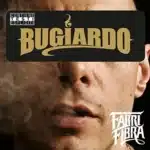
Released on 9 November 2007 through Universal Music, Bugiardo is Fabri Fibra’s fourth studio album. Following the breakthrough success of Tradimento, it finds him confronting his new public profile while continuing to explore the contradictions of Italian society. His writing combines personal frustration, biting humour and social criticism, delivered with the bluntness that had become his trademark.
The production brings together forceful drums, electronic textures and memorable hooks, supporting both aggressive performances and more reflective passages. Fibra moves between deliberately exaggerated provocation and moments of sincerity, making the relationship between truth, fiction and his public persona a recurring theme.
The title track introduces this uneasy balance with sarcasm and defiance, while “La Soluzione” pairs an immediate chorus with a restless emotional tone. “Andiamo a Sanremo” takes aim at the conventions of Italian entertainment, and “In Italia” offers a disillusioned view of the country, touching on insecurity, injustice and the gap between public appearances and everyday reality.
In May 2008, an expanded edition added further material, including a new version of “In Italia” featuring Gianna Nannini. Her distinctive voice brought another dimension to the song and helped it reach an even broader audience, becoming one of Fibra’s best-known collaborations.
Bugiardo consolidated his position after the impact of Tradimento, eventually earning platinum certification. It captures an artist adapting to mainstream visibility while retaining a confrontational approach, using his growing platform to place uncomfortable subjects at the centre of popular Italian rap.

Released on 10 April 2009, Chi Vuole Essere Fabri Fibra? is a ten-track project originally issued alongside a 53-minute documentary. Following the success of Tradimento and Bugiardo, it examines the relationship between Fibra’s public persona, his working life and the expectations created by mainstream recognition.
The accompanying film adds a visual dimension to that subject, taking the audience into recording sessions, backstage situations and moments away from performance. Together, the music and documentary present success as something more complicated than visibility or sales, exploring the gap between the person making the records and the character seen by the public.
The songs range from the directness of “Speak English” and “Donna famosa” to the more melodic “Incomprensioni”, featuring Federico Zampaglione. Noyz Narcos appears on “In testa”, while Dargen D’Amico contributes to “Via vai”. These collaborations bring contrasting voices into a compact project built around Fibra’s perspective.
Its combination of new music and documentary footage gives Chi Vuole Essere Fabri Fibra? a distinct place in his catalogue. It captures an artist questioning the machinery around his success while continuing to use irony, provocation and personal observation as the basis of his writing.

Released on 7 September 2010 through Universal Music, Controcultura is Fabri Fibra’s sixth studio album. Across 18 tracks, he combines criticism of Italian society with reflections on fame, identity and his own place in the music industry. The record debuted at number one, confirming his ability to reach a large audience while maintaining a provocative voice.
The production draws on both Italian and international contributors, including Michele Canova, Medeline and Dot da Genius. Electronic sounds and forceful rhythms sit alongside more restrained passages, giving the album room for energetic singles and denser lyrical performances. Fibra shifts between sarcasm, frustration and introspection, questioning the values promoted by television, celebrity culture and public life.
“Vip In Trip” sets the tone with its pointed observations and commanding delivery, while “Tranne Te” brings an infectious, dance-oriented energy that became one of his most recognisable sounds. These immediate tracks sit within a broader record whose mood is frequently restless and disillusioned, balancing entertainment with uncomfortable questions.
The collaborations add further variety. Marracash joins Fibra on “Qualcuno Normale”, while Dargen D’Amico appears on “Insensibile”, each bringing a distinctive voice to the project. The opening “6791” introduces a more personal perspective, grounding the album’s wider criticism in Fibra’s own experiences.
Controcultura captures the tension between being a mainstream artist and challenging the culture that sustains mainstream success. Its combination of memorable singles, personal writing and social commentary makes it a defining release in Fibra’s catalogue, showing how his rap could remain confrontational while continuing to broaden its audience.
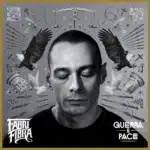
Released on 5 February 2013 through Universal Music, Guerra e pace is Fabri Fibra’s seventh studio album. Its 19 tracks bring together confrontational rap, personal reflection and melodic collaborations, exploring the tensions between ambition, frustration and the search for stability. The record debuted at number one in Italy, continuing the commercial success of his previous releases.
Fibra’s writing moves between criticism of the world around him and questions about his own choices. Sarcasm and blunt observations remain central, but there is also room for anxiety, disappointment and self-examination. The contrast between combative passages and more reflective moments gives the album a varied emotional tone.
“Pronti, Partenza, Via!” introduces the project with an energetic, immediate sound, while “Panico”, featuring Neffa, combines Fibra’s restless verses with a memorable melodic chorus. Their collaboration reconnects him with the artist who produced much of his debut, bringing a different dynamic to this stage of his career.
Al Castellana appears on “Che Tempi”, and Elisa joins Fibra on the closing “Dagli Sbagli Si Impara”, adding a softer vocal contrast to his delivery. “Bisogna Scrivere” also pays homage to Baustelle through its chorus, showing how the record draws connections beyond rap while keeping Fibra’s voice at its centre.
Guerra e pace captures an established artist balancing the force of his public persona with a more questioning perspective. Its combination of direct rap performances, accessible singles and reflective collaborations broadens the picture of Fibra, revealing the uncertainty and personal pressures beneath his confident delivery.

Released unexpectedly on 7 April 2015 through Universal Music, Squallor is Fabri Fibra’s eighth studio album. Arriving without a conventional promotional build-up, its 21-track digital release placed the emphasis firmly on the music. The stark cover, featuring handwritten lettering against a black background, suited a project that foregrounded his abrasive rap style.
Fibra delivers dense verses, dark humour and pointed criticism of the music industry, celebrity culture and the Italian rap scene. Questions of authenticity run throughout the record, alongside reflections on success and his own position within the business. His writing is frequently confrontational, but personal admissions give the aggression a more complicated emotional foundation.
“Il Rap Nel Mio Paese” concentrates this critical outlook into one of the album’s defining statements. Tracks such as “Amnesia” and “Alieno” explore belonging and credibility, while “Come Vasco” connects his provocative approach with a tribute to Vasco Rossi. Across the record, forceful beats and extended rap performances create a restless, uncompromising atmosphere.
The guest list brings together several generations and styles of hip-hop, with appearances from Guè, Marracash, Clementino, Salmo, Nitro, Gemitaiz and MadMan, among others. French rapper Youssoupha adds an international contribution, reinforcing the project’s connection to rap beyond Italy.
Squallor stands as one of Fibra’s most confrontational releases, capturing an established artist openly questioning the scene in which he had become successful. Its scale, directness and emphasis on rap performance have helped give it a lasting cult reputation within his catalogue.

Released on 7 April 2017 through Universal Music, Fenomeno is Fabri Fibra’s ninth studio album. Its original 17-track sequence combines accessible singles with deeply personal writing, exploring family relationships, his life before music and the pressures of fame. Following the confrontational approach of Squallor, the record gives greater space to autobiography while retaining his sarcasm and sharp social observations.
The production moves between forceful rap beats, electronic sounds and melodic arrangements. Contributors include Big Fish, Bassi Maestro, Takagi & Ketra and Mace, creating varied settings for Fibra’s distinctive delivery. The title track brings rhythmic confidence and biting humour, while other songs reveal a more vulnerable perspective beneath his established public persona.
“Pamplona”, featuring Thegiornalisti and produced by Mace, became one of the project’s defining hits, pairing Fibra’s verses with a memorable chorus. “Stavo Pensando A Te” offers a more reflective, melodic moment, demonstrating his ability to write an immediate song without abandoning the conversational character of his rap.
The album’s emotional weight becomes especially apparent towards its conclusion. “Nessun Aiuto” and “Ringrazio” address difficult family experiences, bringing an unusually direct sense of personal history to the record. Elsewhere, Laïoung contributes to “Dipinto Di Blu”, while writer Roberto Saviano appears in the spoken interlude “Considerazioni”.
Fenomeno brings together two central aspects of Fibra’s music: the ability to create widely recognisable singles and the willingness to expose uncomfortable personal truths. Its strongest contrasts come from placing confident performances alongside candid reflection, giving listeners a fuller picture of the person behind the provocative image.

Released on 18 March 2022 through Epic Records/Sony Music Italy, Caos is Fabri Fibra’s tenth studio album. Arriving five years after Fenomeno and twenty years after his solo debut, its 17 tracks reconnect different aspects of his career: sharp social commentary, personal reflection and confident rap performances. It also marked his first album for Epic, beginning a new chapter in his recording career.
The record explores success and its complications, the pressures of everyday life and the uncertainty beneath apparent stability. Fibra approaches these subjects with his familiar mix of sarcasm and self-examination, moving from criticism of consumer culture to reflections on boredom, relationships and emotional resilience. The varied production supports both direct rap performances and more melodic songs.
“Propaganda”, featuring Colapesce and Dimartino, became the album’s defining single. Its buoyant arrangement contrasts with a disillusioned portrait of political promises and the people who believe them. The title track brings together Lazza and Madame, connecting Fibra’s established voice with two prominent figures from a younger generation.
Elsewhere, “Stelle”, featuring Maurizio Carucci, introduces a nostalgic, dance-oriented mood, while “Liberi”, with Francesca Michielin, reflects on facing difficult periods without treating them as personal failure. Tracks such as “GoodFellas” and “Cocaine” keep the record firmly connected to his rap foundations, balancing the accessible collaborations with harder performances.
Caos presents Fibra as an experienced artist taking stock while remaining engaged with the changing scene around him. Its range comes from bringing social criticism, memories and personal uncertainty into the same project, giving his return both the confidence of a veteran and a continuing willingness to question himself.

Released on 20 June 2025 through Epic Records/Sony Music Italy, Mentre Los Angeles Brucia is Fabri Fibra’s eleventh solo studio album. Its original 17 tracks combine energetic collaborations with some of his most revealing personal writing, exploring family, ageing and unresolved experiences. The title emerged while wildfires were devastating Los Angeles, giving the project an image of external destruction that also reflects the turmoil within.
The opening “L’Avvelenata (Pretesto)” samples Francesco Guccini, connecting Fibra’s outspoken approach with an earlier tradition of confrontational Italian songwriting. From there, the album moves through sharp humour, forceful rap and more melodic material, gradually revealing a deeper emotional focus beneath its immediate surface.
“Che Gusto C’è”, featuring Tredici Pietro, provides a memorable introduction to the record, while “Stupidi” brings together Papa V and Nerissima Serpe. Other collaborations include Gaia and Massimo Pericolo on “Salsa Piccante”, Joan Thiele on “Milano Baby” and Noyz Narcos on “Sbang”, giving the project a varied range of voices without displacing Fibra from its centre.
The most intimate passages arrive through songs such as “Mio Padre” and “Figlio”. The former confronts his relationship with his father, while the latter imagines what he would say to a son he has never had. “Vivo”, built around a sample of Andrea Laszlo De Simone, adds a reflective atmosphere, contributing to a sequence in which anger, regret and tenderness sit closely together.
Mentre Los Angeles Brucia presents Fibra taking a candid look at his life while retaining the humour and rhythmic confidence that define his music. Its emotional strength comes from allowing difficult memories and vulnerability to remain exposed, giving the album a personal weight that extends well beyond its singles.
Fabri Fibra

Artist: Fabri Fibra
Real Name: Fabrizio Tarducci
Born: 17 October 1976, Senigallia
Roots: Senigallia, Marche
Active since: 1994; solo career since 2002
Style: Italian hip-hop and hardcore rap, with provocative lyrics and social commentary
Debut album: Turbe Giovanili (2002)
Biography
Fabri Fibra is one of the most influential figures in Italian hip-hop, known for his unmistakable delivery, provocative humour and sharp observations about society. Born Fabrizio Tarducci on 17 October 1976 in Senigallia, Marche, he developed his voice within the underground rap scene of the 1990s before becoming a major force in bringing the genre to a wider Italian audience. His career spans the transition from independent recordings and small rap communities to hip-hop’s central position in Italian popular music.
His early career took shape alongside producer and DJ Lato in Uomini di Mare, and through his involvement with the Teste Mobili collective. These formative years grounded him in independent hip-hop, where technical ability, inventive rhymes and a distinctive personality mattered more than mainstream appeal. His younger brother, the rapper and singer-songwriter Nesli, also contributed to his early recordings. Working within this environment allowed Fibra to develop the restless, unconventional approach that would distinguish his solo career.
Fibra began his solo recording career in 2002, with production from Neffa helping establish a more introspective side to his writing. His music subsequently became increasingly confrontational, combining dark humour, explicit language and deliberately uncomfortable imagery. Beneath the provocation, his lyrics explored insecurity, alienation, ambition and the frustrations of young people struggling to find their place. The tension between personal vulnerability and aggressive delivery became an enduring feature of his work.
His commercial breakthrough came in 2006, transforming him from an underground name into a nationally recognised artist. Success also brought controversy: his blunt approach challenged expectations about what Italian popular music could say, making him both a divisive public figure and a central voice in rap’s growing cultural presence. His rise helped demonstrate that an Italian rapper could reach a mass audience while retaining an abrasive style and a recognisable connection to underground culture.
A defining quality of Fibra’s writing is his willingness to turn criticism inward. Alongside attacks on celebrity culture, social hypocrisy and the music industry, he questions his own ambitions and the contradictions of becoming successful. Fame often appears in his songs as a source of pressure and uncertainty as well as achievement. This self-awareness gives depth to a persona that can otherwise seem dominated by sarcasm, confrontation and swagger.
Across his career, Fibra has balanced uncompromising rap with accessible hooks and collaborations reaching beyond hip-hop. Songs such as “Tranne te”, “In Italia” and “Pamplona” demonstrate the breadth of that approach, while his more personal material reveals a reflective side. His distinctive voice, rhythmic precision and conversational phrasing remain recognisable across different production styles, allowing him to broaden his sound without losing his musical identity.
His significance extends beyond individual hits or commercial success. Fibra helped make rap a space for uncomfortable subjects, social criticism and personal contradictions within mainstream Italian music. His longevity has also made him a point of reference for younger artists navigating the relationship between credibility, popularity and artistic independence. Connecting the independent scene of the 1990s with the generations that followed, Fabri Fibra remains a key figure in the development of modern Italian hip-hop.
Albums
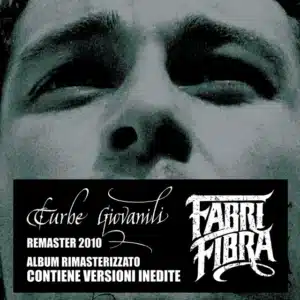
Released in February 2002 through Teste Mobili Records, Turbe Giovanili is Fabri Fibra’s debut solo studio album. Its 17 tracks were produced largely by Neffa, with DJ Lato handling “Ma che persona”. Following his work with Uomini di Mare, the record marked a move towards more personal writing, establishing a distinctive voice well before his mainstream breakthrough.
The production draws on warm samples, understated drums and jazz-influenced textures, creating a reflective, often nocturnal atmosphere. Against this backdrop, Fibra explores anxiety, troubled relationships, loneliness and everyday dissatisfaction. His delivery is conversational but rhythmically inventive, allowing thoughts and observations to unfold with a sense of intimacy.
Tracks such as “Scattano le indagini”, “Luna piena” and “Nuovi stili d’insonnia” capture different aspects of this approach, combining vivid imagery with an uneasy emotional undercurrent. Humour and sharp turns of phrase are already present, but the emphasis falls on introspection rather than the more aggressive provocation associated with his later recordings.
Turbe Giovanili has become an enduring reference point in Italian underground rap. Its cohesive sound and candid writing reveal a thoughtful, vulnerable side of Fibra, making it an essential starting point for understanding the artist behind his later public persona.
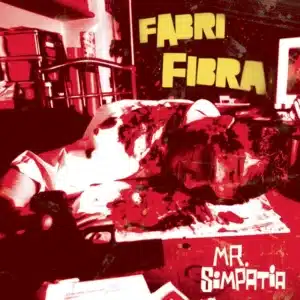
Released in 2004, Mr. Simpatia is Fabri Fibra’s second solo album and one of the most confrontational records in his catalogue. Following Turbe giovanili, it pushes his writing towards a harsher, darker style, combining technical rap with black humour, deliberately shocking imagery and a deeply hostile view of everyday life.
Most of the production comes from Nesli, with additional contributions from Bassi Maestro and Bosca. The beats provide a direct, often claustrophobic setting for Fibra’s voice, allowing the rhymes and changes in delivery to carry much of the record’s intensity. Bassi Maestro also appears on “Io non ti invidio”, while Nesli joins him on “Andiamo”.
Tracks including “L’uomo nel mirino”, “Venerdì diciassette”, “Rap in vena” and “Non crollo” reveal different sides of the same abrasive persona. Anger, frustration and self-disgust sit beside exaggeration and satire, making the writing deliberately uncomfortable. The title’s apparent friendliness becomes an ironic frame for material that repeatedly challenges the listener.
Mr. Simpatia captures Fibra before his mainstream breakthrough, with little attempt to soften his approach for a wider audience. Its uncompromising character makes it a key document of his underground years, showing the verbal precision and provocative instincts that would remain central to his music.

Released on 26 May 2006 through Universal Music, Tradimento is Fabri Fibra’s third studio album and his first release on a major label. Its 17 tracks marked his breakthrough into mainstream Italian music, taking the record to number one and bringing his confrontational style to a much wider audience.
Production comes primarily from Nesli and Big Fish, with contributions from DJ Nais. The sound combines hard-edged rap beats with more immediate rhythms and memorable hooks, giving Fibra’s distinctive delivery room to dominate. The result is accessible without softening the explicit language, sarcasm and abrasive personality that had established his underground reputation.
“Applausi per Fibra” became the album’s defining anthem, pairing a commanding chorus with personal unease and defiance. “Mal di stomaco” offers another striking introduction to his provocative approach, while tracks such as “Su le mani” and “La pula bussò” underline the record’s energy. Elsewhere, “Idee stupide”, featuring Diego Mancino, brings a contrasting melodic presence.
Throughout the album, Fibra mixes frustration, dark humour and observations about everyday life with reflections on his position as a rapper. His move into the major-label world gives the project an additional tension, raising questions about ambition, credibility and the expectations surrounding commercial success.
Tradimento became a pivotal release in Italian rap’s expansion during the 2000s. Its impact extended beyond its singles: it helped establish Fibra as a major national figure and demonstrated that outspoken, uncompromising rap could command a substantial mainstream audience.
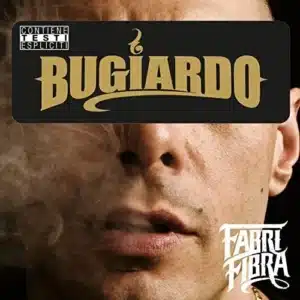
Released on 9 November 2007 through Universal Music, Bugiardo is Fabri Fibra’s fourth studio album. Following the breakthrough success of Tradimento, it finds him confronting his new public profile while continuing to explore the contradictions of Italian society. His writing combines personal frustration, biting humour and social criticism, delivered with the bluntness that had become his trademark.
The production brings together forceful drums, electronic textures and memorable hooks, supporting both aggressive performances and more reflective passages. Fibra moves between deliberately exaggerated provocation and moments of sincerity, making the relationship between truth, fiction and his public persona a recurring theme.
The title track introduces this uneasy balance with sarcasm and defiance, while “La Soluzione” pairs an immediate chorus with a restless emotional tone. “Andiamo a Sanremo” takes aim at the conventions of Italian entertainment, and “In Italia” offers a disillusioned view of the country, touching on insecurity, injustice and the gap between public appearances and everyday reality.
In May 2008, an expanded edition added further material, including a new version of “In Italia” featuring Gianna Nannini. Her distinctive voice brought another dimension to the song and helped it reach an even broader audience, becoming one of Fibra’s best-known collaborations.
Bugiardo consolidated his position after the impact of Tradimento, eventually earning platinum certification. It captures an artist adapting to mainstream visibility while retaining a confrontational approach, using his growing platform to place uncomfortable subjects at the centre of popular Italian rap.
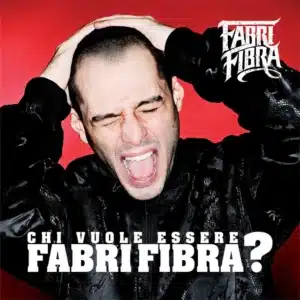
Released on 10 April 2009, Chi Vuole Essere Fabri Fibra? is a ten-track project originally issued alongside a 53-minute documentary. Following the success of Tradimento and Bugiardo, it examines the relationship between Fibra’s public persona, his working life and the expectations created by mainstream recognition.
The accompanying film adds a visual dimension to that subject, taking the audience into recording sessions, backstage situations and moments away from performance. Together, the music and documentary present success as something more complicated than visibility or sales, exploring the gap between the person making the records and the character seen by the public.
The songs range from the directness of “Speak English” and “Donna famosa” to the more melodic “Incomprensioni”, featuring Federico Zampaglione. Noyz Narcos appears on “In testa”, while Dargen D’Amico contributes to “Via vai”. These collaborations bring contrasting voices into a compact project built around Fibra’s perspective.
Its combination of new music and documentary footage gives Chi Vuole Essere Fabri Fibra? a distinct place in his catalogue. It captures an artist questioning the machinery around his success while continuing to use irony, provocation and personal observation as the basis of his writing.

Released on 7 September 2010 through Universal Music, Controcultura is Fabri Fibra’s sixth studio album. Across 18 tracks, he combines criticism of Italian society with reflections on fame, identity and his own place in the music industry. The record debuted at number one, confirming his ability to reach a large audience while maintaining a provocative voice.
The production draws on both Italian and international contributors, including Michele Canova, Medeline and Dot da Genius. Electronic sounds and forceful rhythms sit alongside more restrained passages, giving the album room for energetic singles and denser lyrical performances. Fibra shifts between sarcasm, frustration and introspection, questioning the values promoted by television, celebrity culture and public life.
“Vip In Trip” sets the tone with its pointed observations and commanding delivery, while “Tranne Te” brings an infectious, dance-oriented energy that became one of his most recognisable sounds. These immediate tracks sit within a broader record whose mood is frequently restless and disillusioned, balancing entertainment with uncomfortable questions.
The collaborations add further variety. Marracash joins Fibra on “Qualcuno Normale”, while Dargen D’Amico appears on “Insensibile”, each bringing a distinctive voice to the project. The opening “6791” introduces a more personal perspective, grounding the album’s wider criticism in Fibra’s own experiences.
Controcultura captures the tension between being a mainstream artist and challenging the culture that sustains mainstream success. Its combination of memorable singles, personal writing and social commentary makes it a defining release in Fibra’s catalogue, showing how his rap could remain confrontational while continuing to broaden its audience.
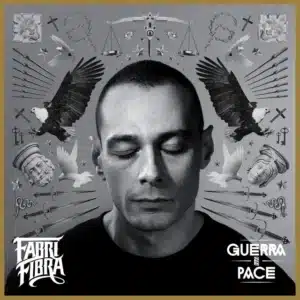
Released on 5 February 2013 through Universal Music, Guerra e pace is Fabri Fibra’s seventh studio album. Its 19 tracks bring together confrontational rap, personal reflection and melodic collaborations, exploring the tensions between ambition, frustration and the search for stability. The record debuted at number one in Italy, continuing the commercial success of his previous releases.
Fibra’s writing moves between criticism of the world around him and questions about his own choices. Sarcasm and blunt observations remain central, but there is also room for anxiety, disappointment and self-examination. The contrast between combative passages and more reflective moments gives the album a varied emotional tone.
“Pronti, Partenza, Via!” introduces the project with an energetic, immediate sound, while “Panico”, featuring Neffa, combines Fibra’s restless verses with a memorable melodic chorus. Their collaboration reconnects him with the artist who produced much of his debut, bringing a different dynamic to this stage of his career.
Al Castellana appears on “Che Tempi”, and Elisa joins Fibra on the closing “Dagli Sbagli Si Impara”, adding a softer vocal contrast to his delivery. “Bisogna Scrivere” also pays homage to Baustelle through its chorus, showing how the record draws connections beyond rap while keeping Fibra’s voice at its centre.
Guerra e pace captures an established artist balancing the force of his public persona with a more questioning perspective. Its combination of direct rap performances, accessible singles and reflective collaborations broadens the picture of Fibra, revealing the uncertainty and personal pressures beneath his confident delivery.
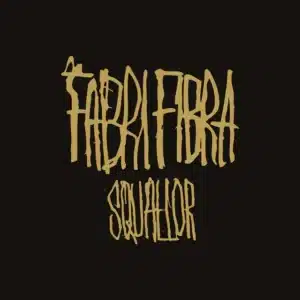
Released unexpectedly on 7 April 2015 through Universal Music, Squallor is Fabri Fibra’s eighth studio album. Arriving without a conventional promotional build-up, its 21-track digital release placed the emphasis firmly on the music. The stark cover, featuring handwritten lettering against a black background, suited a project that foregrounded his abrasive rap style.
Fibra delivers dense verses, dark humour and pointed criticism of the music industry, celebrity culture and the Italian rap scene. Questions of authenticity run throughout the record, alongside reflections on success and his own position within the business. His writing is frequently confrontational, but personal admissions give the aggression a more complicated emotional foundation.
“Il Rap Nel Mio Paese” concentrates this critical outlook into one of the album’s defining statements. Tracks such as “Amnesia” and “Alieno” explore belonging and credibility, while “Come Vasco” connects his provocative approach with a tribute to Vasco Rossi. Across the record, forceful beats and extended rap performances create a restless, uncompromising atmosphere.
The guest list brings together several generations and styles of hip-hop, with appearances from Guè, Marracash, Clementino, Salmo, Nitro, Gemitaiz and MadMan, among others. French rapper Youssoupha adds an international contribution, reinforcing the project’s connection to rap beyond Italy.
Squallor stands as one of Fibra’s most confrontational releases, capturing an established artist openly questioning the scene in which he had become successful. Its scale, directness and emphasis on rap performance have helped give it a lasting cult reputation within his catalogue.
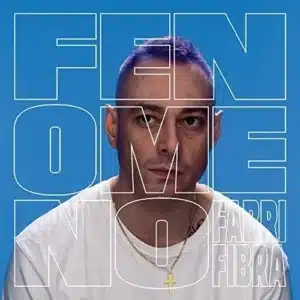
Released on 7 April 2017 through Universal Music, Fenomeno is Fabri Fibra’s ninth studio album. Its original 17-track sequence combines accessible singles with deeply personal writing, exploring family relationships, his life before music and the pressures of fame. Following the confrontational approach of Squallor, the record gives greater space to autobiography while retaining his sarcasm and sharp social observations.
The production moves between forceful rap beats, electronic sounds and melodic arrangements. Contributors include Big Fish, Bassi Maestro, Takagi & Ketra and Mace, creating varied settings for Fibra’s distinctive delivery. The title track brings rhythmic confidence and biting humour, while other songs reveal a more vulnerable perspective beneath his established public persona.
“Pamplona”, featuring Thegiornalisti and produced by Mace, became one of the project’s defining hits, pairing Fibra’s verses with a memorable chorus. “Stavo Pensando A Te” offers a more reflective, melodic moment, demonstrating his ability to write an immediate song without abandoning the conversational character of his rap.
The album’s emotional weight becomes especially apparent towards its conclusion. “Nessun Aiuto” and “Ringrazio” address difficult family experiences, bringing an unusually direct sense of personal history to the record. Elsewhere, Laïoung contributes to “Dipinto Di Blu”, while writer Roberto Saviano appears in the spoken interlude “Considerazioni”.
Fenomeno brings together two central aspects of Fibra’s music: the ability to create widely recognisable singles and the willingness to expose uncomfortable personal truths. Its strongest contrasts come from placing confident performances alongside candid reflection, giving listeners a fuller picture of the person behind the provocative image.

Released on 18 March 2022 through Epic Records/Sony Music Italy, Caos is Fabri Fibra’s tenth studio album. Arriving five years after Fenomeno and twenty years after his solo debut, its 17 tracks reconnect different aspects of his career: sharp social commentary, personal reflection and confident rap performances. It also marked his first album for Epic, beginning a new chapter in his recording career.
The record explores success and its complications, the pressures of everyday life and the uncertainty beneath apparent stability. Fibra approaches these subjects with his familiar mix of sarcasm and self-examination, moving from criticism of consumer culture to reflections on boredom, relationships and emotional resilience. The varied production supports both direct rap performances and more melodic songs.
“Propaganda”, featuring Colapesce and Dimartino, became the album’s defining single. Its buoyant arrangement contrasts with a disillusioned portrait of political promises and the people who believe them. The title track brings together Lazza and Madame, connecting Fibra’s established voice with two prominent figures from a younger generation.
Elsewhere, “Stelle”, featuring Maurizio Carucci, introduces a nostalgic, dance-oriented mood, while “Liberi”, with Francesca Michielin, reflects on facing difficult periods without treating them as personal failure. Tracks such as “GoodFellas” and “Cocaine” keep the record firmly connected to his rap foundations, balancing the accessible collaborations with harder performances.
Caos presents Fibra as an experienced artist taking stock while remaining engaged with the changing scene around him. Its range comes from bringing social criticism, memories and personal uncertainty into the same project, giving his return both the confidence of a veteran and a continuing willingness to question himself.
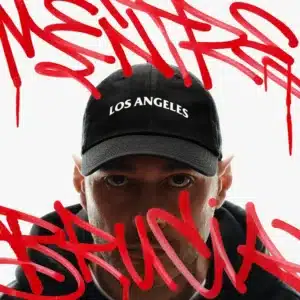
Released on 20 June 2025 through Epic Records/Sony Music Italy, Mentre Los Angeles Brucia is Fabri Fibra’s eleventh solo studio album. Its original 17 tracks combine energetic collaborations with some of his most revealing personal writing, exploring family, ageing and unresolved experiences. The title emerged while wildfires were devastating Los Angeles, giving the project an image of external destruction that also reflects the turmoil within.
The opening “L’Avvelenata (Pretesto)” samples Francesco Guccini, connecting Fibra’s outspoken approach with an earlier tradition of confrontational Italian songwriting. From there, the album moves through sharp humour, forceful rap and more melodic material, gradually revealing a deeper emotional focus beneath its immediate surface.
“Che Gusto C’è”, featuring Tredici Pietro, provides a memorable introduction to the record, while “Stupidi” brings together Papa V and Nerissima Serpe. Other collaborations include Gaia and Massimo Pericolo on “Salsa Piccante”, Joan Thiele on “Milano Baby” and Noyz Narcos on “Sbang”, giving the project a varied range of voices without displacing Fibra from its centre.
The most intimate passages arrive through songs such as “Mio Padre” and “Figlio”. The former confronts his relationship with his father, while the latter imagines what he would say to a son he has never had. “Vivo”, built around a sample of Andrea Laszlo De Simone, adds a reflective atmosphere, contributing to a sequence in which anger, regret and tenderness sit closely together.
Mentre Los Angeles Brucia presents Fibra taking a candid look at his life while retaining the humour and rhythmic confidence that define his music. Its emotional strength comes from allowing difficult memories and vulnerability to remain exposed, giving the album a personal weight that extends well beyond its singles.